Inbound marketing: 4 strategies to attract organic traffic to your online store
When diving into the world of e-commerce, newcomers often lean on paid methods to drive traffic — social media ads, PPC campaigns, influencer collaborations. While these methods work, they can quickly become costly, especially without a clear long-term plan. The more sustainable and cost-effective solution? Inbound marketing — a strategy focused on attracting the right customers through valuable, relevant, and helpful content that naturally leads them to your store.
START SELLING
ON SELLAVI
What is inbound marketing?
Inbound marketing is a customer-centric approach that draws people to your brand rather than chasing them through intrusive ads. It’s about creating value — offering insights, solutions, and inspiration that align with your audience’s interests and needs.
Instead of pushing products, inbound marketing pulls customers in by:
- Providing helpful content that solves their problems.
- Building trust through consistent communication.
- Nurturing long-term relationships that convert readers into loyal customers.
Common inbound tactics include blog content, SEO optimization, email nurturing campaigns, social media storytelling, and influencer collaborations. The goal is to attract qualified leads organically — people who are genuinely interested in what you offer — and guide them toward conversion.
How does inbound marketing work?
Think about your own online behavior. When you have a question, you search for information — a “how-to,” a comparison, or a review. The websites that provide useful answers earn your attention and trust. That’s exactly how inbound marketing works.
- Attract: You publish content that draws people to your website — blog posts, videos, or social media updates optimized for search engines.
- Engage: You offer valuable insights that encourage visitors to stay, explore, and interact with your brand.
- Convert: You guide them through the buying journey with strong calls to action, product demos, or free resources.
- Delight: You continue nurturing the relationship with helpful after-sale content, loyalty programs, and email updates.
Over time, you create a self-sustaining ecosystem — your audience seeks your brand out because it provides consistent value.
Pros and cons of inbound marketing
Pros
Cost efficiency:
Inbound marketing minimizes advertising costs by focusing on long-term assets — your content, website, and SEO presence. Once created, great content continues to drive traffic for months or even years.
Word-of-mouth amplification:
People naturally share valuable content. When customers find your articles or videos helpful, they spread the word, driving even more organic traffic.
Stronger brand trust:
Quality content positions your business as an authority. Customers are far more likely to buy from a brand that educates and supports them than one that just advertises.
Sustainable growth:
Unlike paid ads that stop generating results once the budget runs out, inbound marketing builds a stable flow of leads over time.
Cons
Slower results:
Inbound marketing is a long game. It takes time to create content, rank in search engines, and earn trust.
Complex analytics:
It can be harder to directly measure ROI. While paid ads provide immediate metrics, inbound marketing focuses on gradual growth — engagement, brand awareness, and repeat customers.
Still, the advantages far outweigh the drawbacks. The key is to combine inbound with outbound strategies — for instance, boosting your organic efforts with targeted paid campaigns for faster visibility.
4 Proven inbound marketing strategies for online stores
Let’s explore practical ways to implement inbound marketing and drive organic traffic to your e-commerce website.
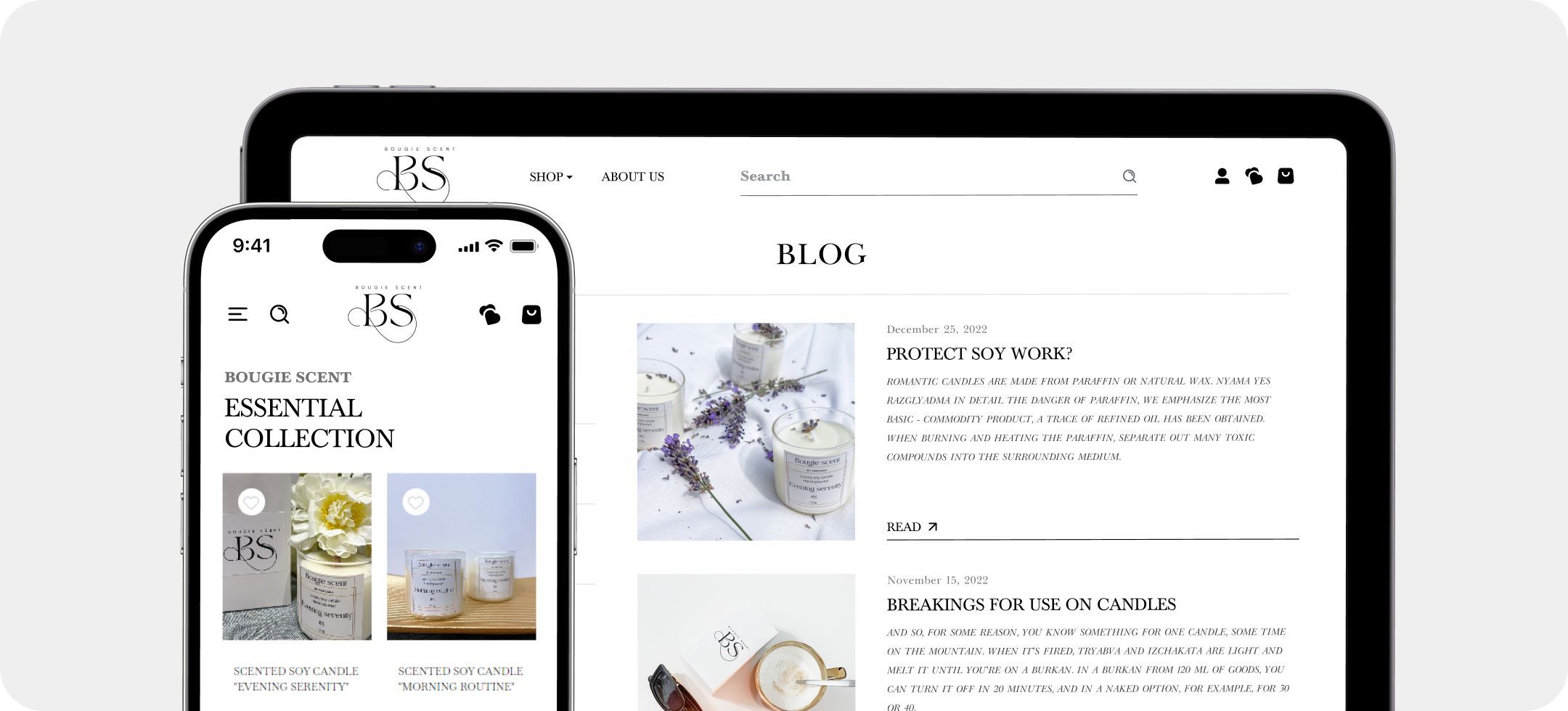
1. Launch a blog on your online store
A blog is the foundation of your inbound strategy — a space to share insights, tell stories, and answer customer questions. Each post acts as a new door leading visitors to your store through search engines.
Write about topics that matter to your target audience:
- Product guides (“How to choose the right skincare routine”)
- Seasonal collections and trends
- Customer stories or expert interviews
- Educational posts about your industry
Make sure your content remains evergreen — relevant over time — and update it regularly to maintain visibility.
Don’t forget SEO:
- Research and use long-tail keywords (e.g., “eco-friendly yoga mats for beginners”).
- Write concise meta titles and descriptions for every article.
- Use headings (H1, H2, H3) to structure your content logically.
- Include internal links to product pages and other posts.

Example: A cosmetics brand could publish “10 Skincare Mistakes You’re Probably Making” and naturally link to its cleansers and moisturizers.
2. Harness the power of video content
Videos have become one of the most influential tools in e-commerce marketing. Studies show that 84% of consumers say watching a video convinced them to make a purchase.
You don’t need a professional studio to start — a smartphone, natural light, and an authentic tone go a long way.
Create video content that follows the EEEA:
- Engaging: Tell a story or show a transformation.
- Educational: Offer product tips or tutorials.
- Evergreen: Keep the content relevant beyond a specific moment.
- Authentic: Be real — customers value honesty over perfection.
Ideas include unboxing videos, product demos, behind-the-scenes clips, or live Q&A sessions. The goal isn’t to go viral but to create genuine connections.

3. Leverage social media strategically
Social media isn’t just a branding tool — it’s a powerful driver of inbound traffic. The secret lies in consistency, authenticity, and interaction.
- Optimize your profiles with clear descriptions and links to your store.
- Post valuable, shareable content: tips, user-generated content, or short educational videos.
- Run contests and giveaways to boost engagement and visibility.
- Highlight exclusive promotions to encourage followers to visit your website or subscribe to your newsletter.
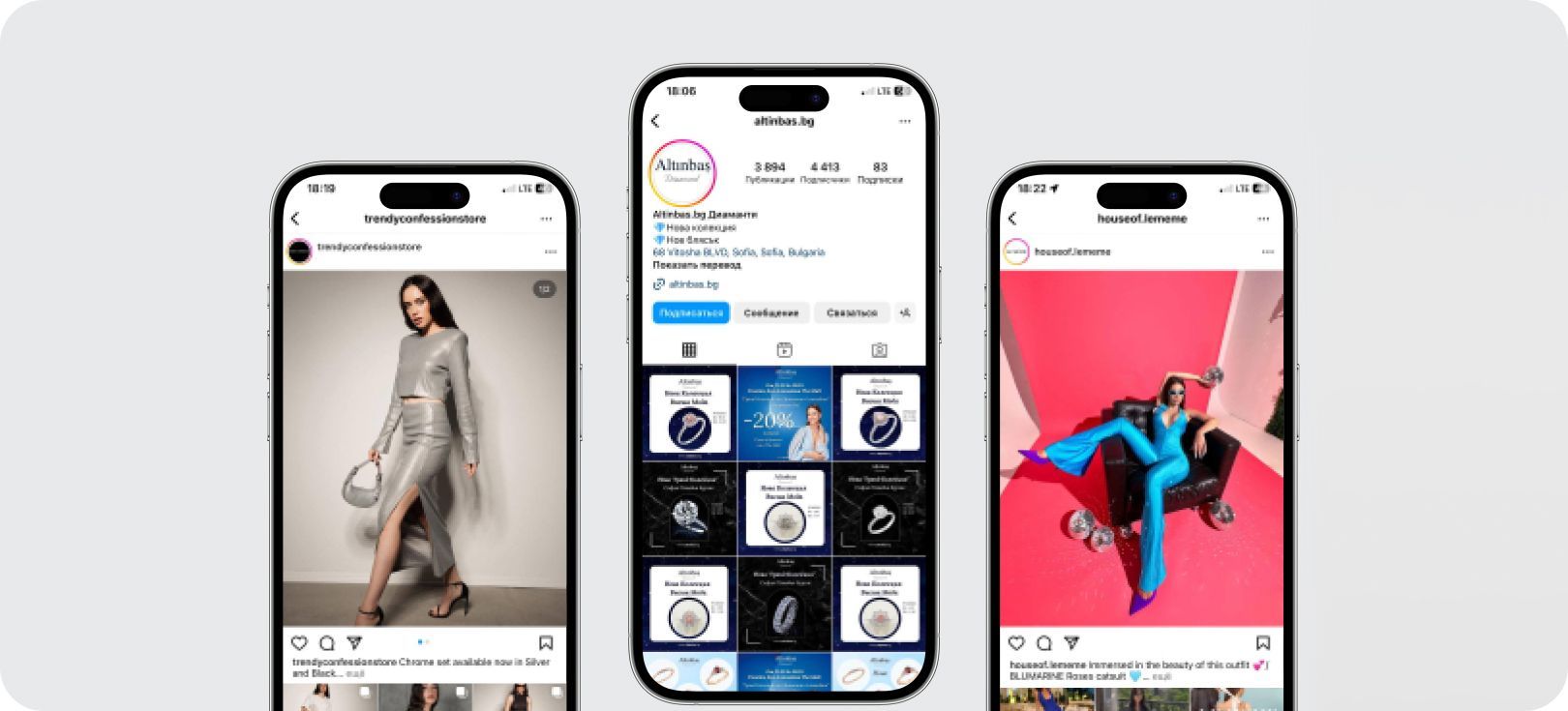
Example: A jewelry store could host a “Share your sparkle” photo contest, asking followers to post photos wearing their favorite pieces, tagging the brand for a chance to win a discount.
Such campaigns not only drive engagement but also generate authentic user content that builds credibility.
4. Create an affiliate program
Affiliate marketing is one of the most effective ways to scale your inbound strategy. By partnering with influencers or bloggers, you gain access to their established audiences.
Here’s how it works:
- You collaborate with influencers or partners in your niche.
- They share your products and include a link to your store.
- Every time a follower makes a purchase through that link, they earn a commission.
This approach benefits everyone involved — your partners profit from sales, your brand gains credibility, and customers discover you through trusted voices.
Example: A fitness gear store could partner with a well-known trainer who promotes their products through tutorials or “favorites” lists.

Measuring the success of inbound marketing
To ensure your efforts are paying off, regularly monitor:
- Website traffic and engagement (Google Analytics, GA4)
- Conversion rates and lead sources
- Social media engagement metrics
- Email open and click-through rates
These insights help you refine your strategy and identify which content resonates most with your audience.
Inbound marketing is worth the effort
Inbound marketing may take time, but the results are lasting. By consistently offering value, you attract not just traffic — but loyal, trusting customers who come back again and again.
Remember: success begins with the right foundation. Choose an e-commerce platform that supports your inbound strategy — one that offers SEO tools, integrated blogs, and easy-to-manage content features.
Sellavi provides all of that and more. Build your online store with us and make the most of your 14-day free trial to explore how our platform can help you grow organically, efficiently, and confidently.
Start today — your future customers are already searching for you.