Advertising: all you need to know to promote your business

Advertising is more than just promoting products; it's a versatile tool for engaging prospective customers, building brand recognition, and influencing purchasing decisions. Whether you're an entrepreneur, business owner, or marketing professional, understanding the various types of advertising can help you in creating effective marketing campaigns that resonate with your audience.
A wide array of advertising types is available, so selecting one that aligns with your business objectives, target audience, and marketing budget is essential. For instance, a local car dealership might use radio advertising to promote a weekend-long anniversary sale, while a direct-to-consumer beauty brand may leverage influencer marketing on Instagram to appeal to a younger demographic.
In this article, you will find everything you need to know about ads including 14 types of advertising to help you achieve your online business growth, marketing, and revenue objectives.
What is advertising?
Advertising is a powerful tool of communication that businesses use to promote their products, services, or ideas. It involves creating persuasive messages and delivering them to a target audience to generate interest, influence opinions, and drive specific actions, such as making a purchase.
Key elements of advertising include:
- Message: The central idea or concept that the advertiser wants to convey. This might be a product benefit, a brand value, or a call to action.
- Media: The channels used to deliver the message, which can range from traditional media like television, radio, and print to digital platforms such as social media, search engines, and mobile apps.
- Audience: The specific group of people the advertiser wants to reach. Effective advertising requires a deep understanding of the target audience's needs, wants, and behaviors.
The primary goals of advertising are:
- To inform: Educate consumers about new online store products or services and their benefits.
- To persuade: Convince consumers to choose one brand over another and to make a purchase.
- To remind: Keep a brand top-of-mind and reinforce its position in e-commerce.

Why do you need to advertise your business?
By effectively integrating advertising into your marketing strategies, you can significantly enhance the brand's visibility, attract and engage potential customers, and ultimately drive sales.
Building brand awareness
Advertising is a powerful tool for creating brand awareness, which is essential for establishing a strong brand identity and building customer loyalty. Through consistent and impactful advertising campaigns, businesses can increase their brand's visibility, making it more recognizable and memorable to consumers. For example, a food delivery provider might use television commercials featuring catchy jingles and iconic imagery to reinforce its brand identity and create a positive association in the minds of consumers.
Generating leads
Advertising can play a crucial role in generating leads, which are potential customers who have expressed interest in a product or service. By targeting specific demographics and utilizing effective messaging, businesses can attract qualified leads and nurture them through the sales funnel. For instance, a software company might use targeted online advertising to reach potential customers who are searching for solutions to specific business challenges.
Driving sales
Ultimately, the goal of advertising is to drive sales and increase revenue. By effectively communicating the value proposition of a product or service, advertising can persuade consumers to make a purchase. For example, a retail store might use print advertising to promote a limited-time sale, offering discounts and incentives to encourage customers to visit their store and make a purchase.
Differentiating from competitors
Advertising can highlight unique selling points and position a brand as the preferred choice among consumers. For instance, a luxury handmade bag manufacturer might use advertising to emphasize the superior craftsmanship, advanced materials, and exclusive features of their models, setting them apart from competitors in the market.

14 types of advertising you need to know
1. Television advertising
Television remains one of the most powerful mediums for reaching a broad audience. Vivid imagery, dynamic scenes, and memorable slogans make TV ads highly effective at leaving a lasting impression. For instance, beverage commercials often associate their products with fun, friendship, and positive emotions, helping to strengthen brand identity.
2. Print advertising
Print advertising, featured in newspapers and magazines, allows for detailed presentation of products or services with high-quality images and text. Fashion magazines, for example, frequently showcase ads for luxury clothing brands, highlighting the latest collections and trends.
3. Radio advertising
Radio advertising leverages sound to create an emotional connection with listeners. Through music, sound effects, and charismatic announcers, radio ads craft a unique atmosphere that sticks with the audience. Humorous and interactive radio ads can effectively capture attention and build brand loyalty.
4. Direct-mail advertising
Direct mail involves sending promotional materials directly to potential customers, allowing for a personalized touch that can enhance effectiveness. For example, catalogs from online retailers enable recipients to explore products in detail and place orders directly.
5. Outdoor advertising
Outdoor advertising, such as billboards and bus ads, targets a wide audience in public spaces, boosting brand recognition. For instance, movie advertisements on large city billboards draw attention to upcoming releases and attract potential viewers.
6. Product placement
Product placement integrates products into films, TV shows, or other media, creating a positive association with popular characters or events. A prime example is luxury watches worn by lead characters in Hollywood blockbusters, emphasizing their status and prestige.

7. Native advertising
Native advertising is designed to blend seamlessly with the content where it appears, making it less intrusive and more engaging. Sponsored posts on social media platforms often mimic regular content while promoting specific products or services.
8. Contextual advertising
Contextual advertising displays ads based on users’ search queries, ensuring the content is relevant and targeted. For instance, ads for travel agencies may appear when users search for flights or hotels, increasing the chances of conversion.
9. Display advertising
Display advertising includes banners, videos, and other graphic elements that create eye-catching campaigns. For example, animated banners on news websites capture attention with vibrant images and compelling messaging.
10. Social media advertising
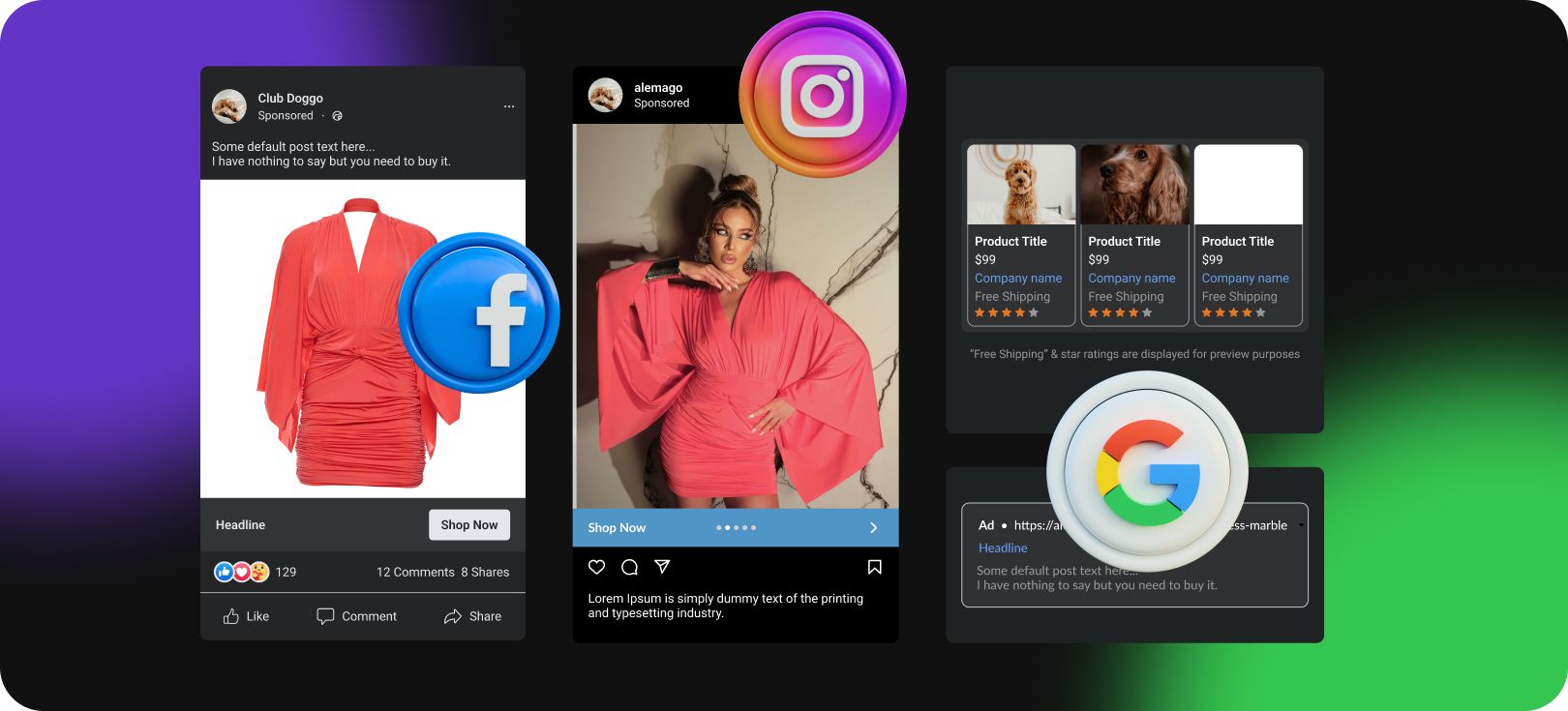
Social media advertising engages users on platforms like Facebook, Instagram, and X (Twitter), fostering brand loyalty and driving sales. Contests and giveaways, for instance, encourage users to share brand content with their networks, expanding reach.
11. Mobile advertising
Mobile advertising is tailored for smartphones and tablets, enabling brands to reach consumers anytime, anywhere. For example, ads embedded in mobile apps are shown during gameplay or app usage, capturing the audience's attention.

12. Podcast advertising
Podcast advertising delivers messages to a loyal and engaged audience, often leading to strong connections and high campaign effectiveness. Ads for audiobooks or online courses placed in popular self-development podcasts usually resonate well with listeners.
13. Influencer marketing
Influencer marketing involves partnering with social media influencers to boost brand visibility and credibility. Fashion bloggers, for instance, endorsing clothing and accessory brands to their followers can significantly increase brand awareness and trust.
14. Word of mouth advertising
Word-of-mouth remains one of the oldest and most effective forms of advertising, driven by positive recommendations from satisfied customers. For example, rave reviews of a new restaurant spread by friends can greatly enhance its reputation and drive sales.
Each of these advertising formats has its characteristics and is used depending on the goals of the marketing campaign. The choice of the optimal format depends on factors such as the target audience, budget, product or service characteristics, and others.
Your powerful tool for business growth
Like it or not, effective advertising is essential for businesses to thrive. By understanding and utilizing the various types of advertising available, you can create targeted campaigns that resonate with your audience, build brand recognition, and drive sales. Whether you're a seasoned marketer or just starting, exploring the world of advertising can open up new opportunities for growth and success.
Remember, the key to successful advertising is to choose the right format for your business objectives and target audience. By carefully considering your unique needs, you can create campaigns that deliver measurable results and help you achieve your goals.