9 facts about online stores you probably didn't know: Part 1

Over the past few years, the e-commerce industry has transformed into a true giant, revolutionizing how people shop and how businesses sell. Its revenues continue to rise steadily year after year, drawing in millions of entrepreneurs and established brands alike. But despite this tremendous growth, it would be a mistake to assume that e-commerce has reached its full potential. In fact, research shows that only around 2.86% of website visitors actually convert into paying customers — a number that signals how much opportunity still lies ahead for those willing to improve their strategies.
If you're considering launching an online store, or if you already own one and want to take it to the next level, it’s important to understand the nuances of this ever-evolving industry. We've gathered nine lesser-known but highly valuable facts about e-commerce websites that might just change the way you think about online sales.
Let’s explore the first four.
Online and traditional sales share many common principles
It’s easy to think that e-commerce is an entirely new playing field that follows a completely different rulebook than brick-and-mortar stores. But in reality, the core principles that govern both are deeply similar. Understanding this connection can give you a strategic advantage over those who fixate only on digital tools and forget about the fundamental psychology of selling.
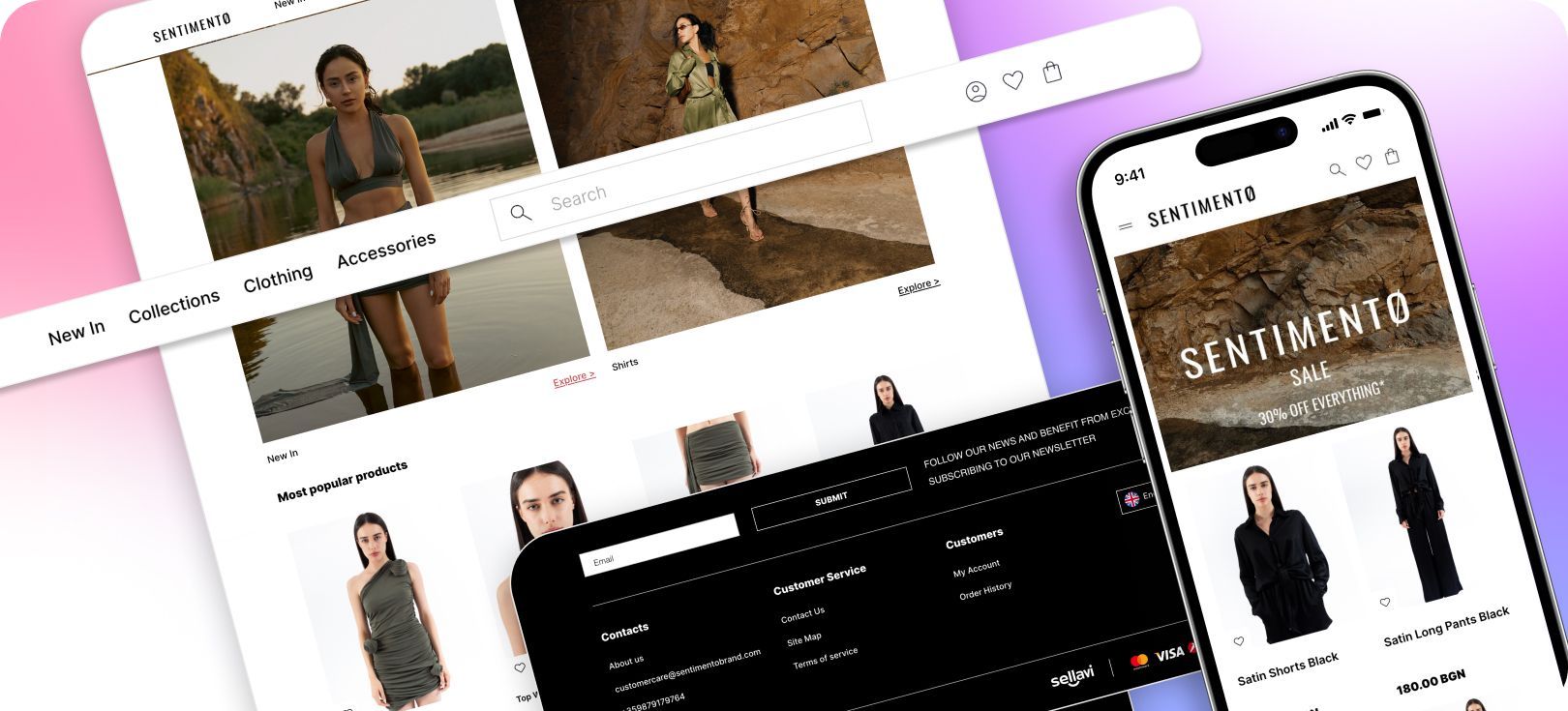
Think of your online store as a virtual version of a physical shop. Both aim to impress at first sight, build trust, and provide a seamless path to purchase. Your homepage functions much like the storefront window of a boutique — it's where first impressions are made and judgments are formed in seconds. A messy layout, confusing navigation, or a lack of clear branding can turn visitors away before they even browse your catalog.
Market research is another common thread. Whether you’re selling online or offline, success hinges on how well you understand your customer. Without a deep knowledge of your audience’s preferences, behaviors, and buying patterns, you’re essentially selling in the dark. The better you know your customers, the more effectively you can design your product pages, promotions, and overall strategy.
Marketing tools also overlap significantly. Social media, influencer partnerships, email campaigns, and seasonal promotions are just as important in traditional retail as they are online. Discounts, special offers, holiday sales — these tactics have been around for decades. E-commerce just brings new platforms to deliver them.
And don’t forget that customer psychology doesn’t change just because the format has. Whether someone is shopping in a mall or from their smartphone at midnight, people are still drawn to deals, emotional triggers, and convenience.
Creating and continually refining the buyer persona is crucial
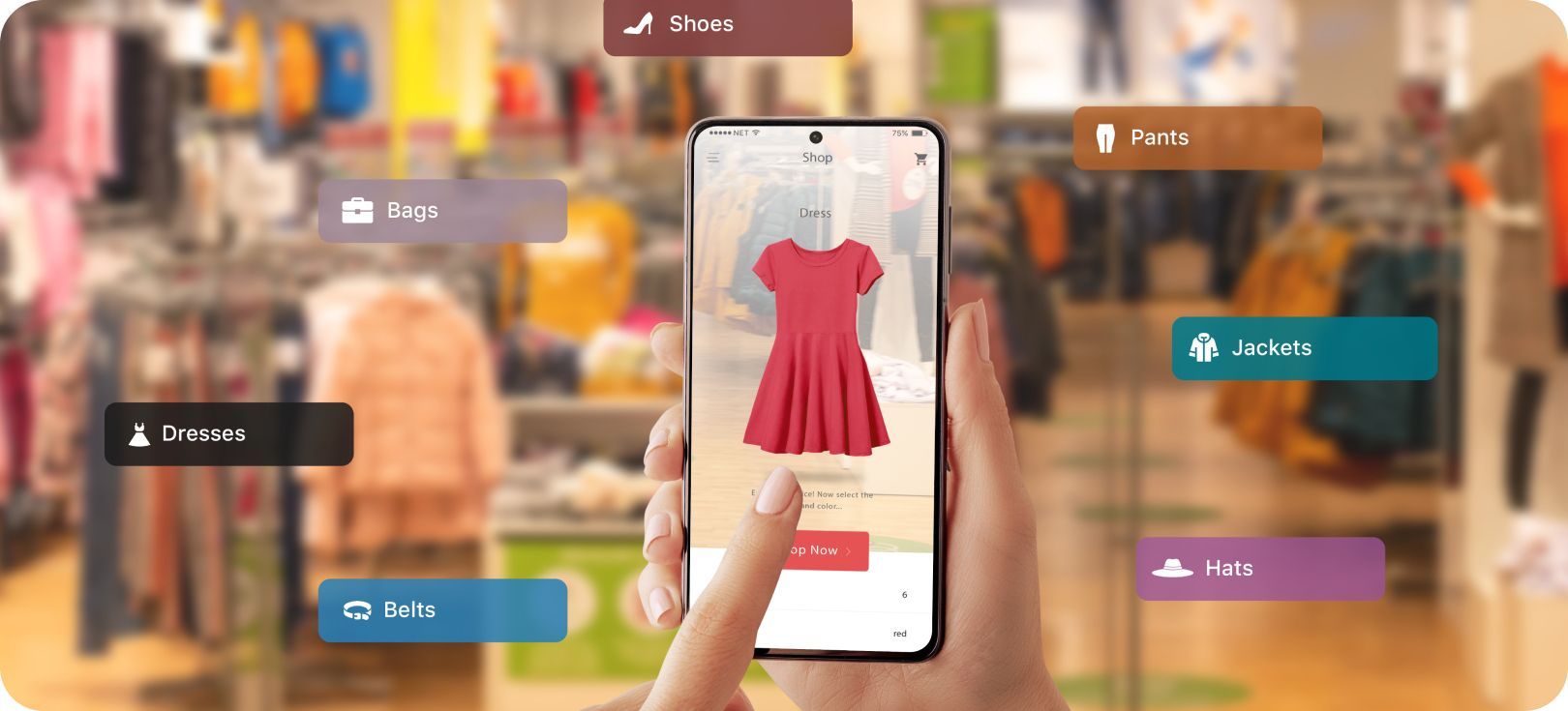
Understanding your target customer is not a one-time task. In fact, it’s an ongoing process that should evolve along with your product line, market trends, and data insights. In e-commerce, your buyer persona isn’t just a helpful idea — it’s an essential strategic tool that helps you fine-tune everything from your advertising messages to your site design.
Imagine trying to hunt for something in the dark with no idea of what it looks like — that’s what marketing without a buyer persona is like. Instead, you need to think like a tracker who studies every behavior and movement of their target. Where do they spend time online? What motivates them to click “buy”? What frustrates them about shopping experiences?
You may be targeting young adults in their twenties who are tech-savvy and crave fast fashion, or you might be selling to new parents looking for sustainable baby products. These two audiences are radically different — not just in what they buy, but in how they shop, what values drive them, and what language appeals to them.
You’ll need to explore key demographic details: gender, age range, location, and income level. But you must also go deeper into psychographics — the values, habits, attitudes, and aspirations of your target group. Does your audience value convenience over price? Are they more likely to respond to humor or professionalism? These nuances shape your product presentation, communication tone, and even your choice of payment and delivery methods.
The more you refine your personas over time, the more precise and effective your marketing efforts will become. Data from your analytics, social media insights, customer feedback, and behavior tracking should constantly inform and evolve your profiles.

Product description matters
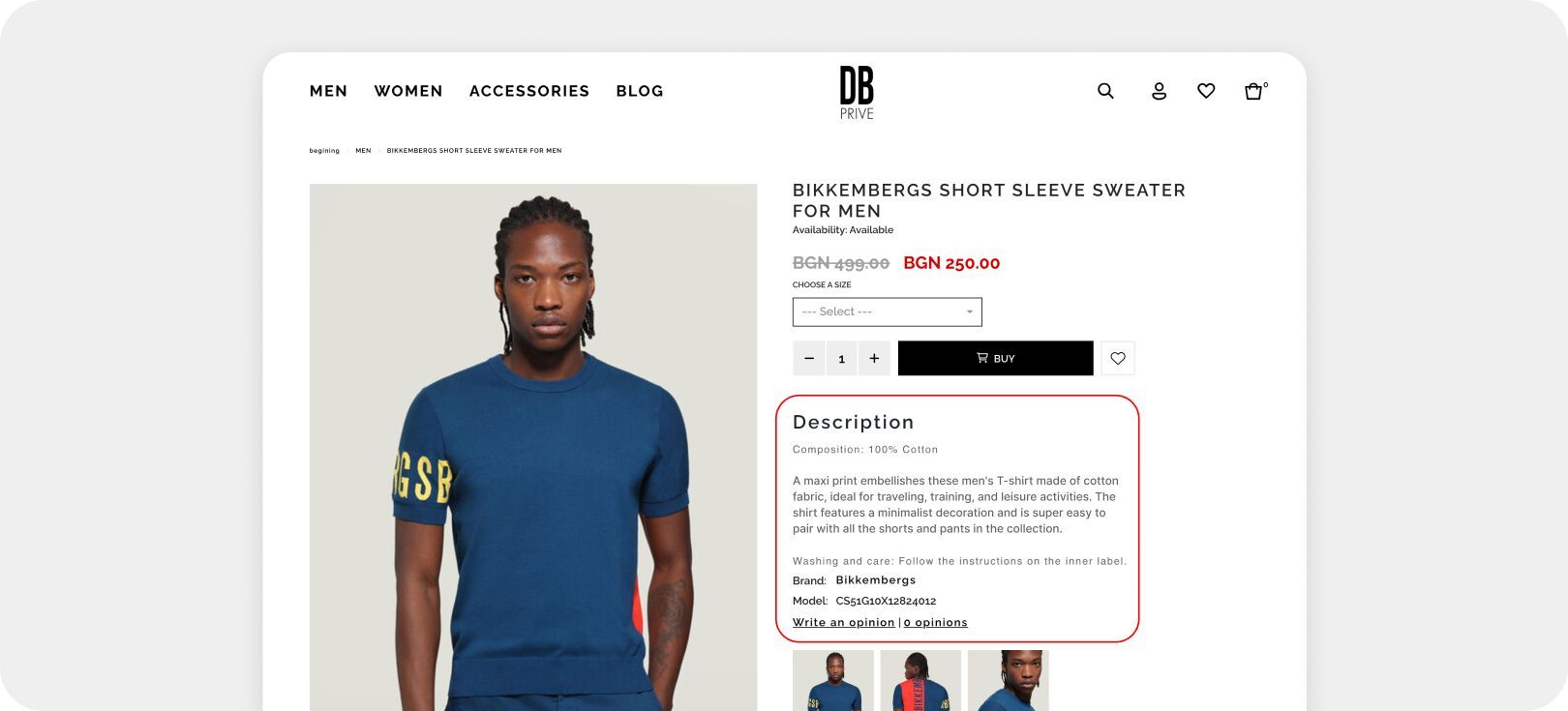
Many entrepreneurs underestimate the power of a well-written product description, assuming that a few basic lines and a nice photo will do the trick. But in the world of online commerce, where customers can’t physically touch, try, or inspect a product, the description becomes the digital salesperson. And customers are listening closely.
Studies show that nearly 90% of buyers consider a detailed product description as a key factor in their purchasing decision. The reason is simple: a good description doesn’t just inform — it reassures, persuades, and builds trust. Without it, uncertainty creeps in, and with uncertainty comes hesitation, and with hesitation comes abandonment.
Your product page should do more than list features. It should address common objections before the customer even has time to formulate them. Is it durable? Will it fit? How does it compare to similar items? What’s included in the package? If your product has a unique story, share it. If it solves a common problem, highlight that.
Descriptions should also be structured logically. Lead with the most important selling points, then explain the secondary features, and finally, offer any technical specifications or instructions. Clarity is critical. Avoid jargon, overly complex language, or vague buzzwords.
Remember, SEO matters too. Your product descriptions should be crafted with search engines in mind. Use keywords naturally, include relevant terms customers might use when searching, and don’t forget metadata like tags and titles.
The ultimate goal is to provide enough compelling information so the buyer feels confident, excited, and ready to act — all without feeling overwhelmed or confused.
High-quality content helps to stand out from competitors
E-commerce isn’t just a race for the lowest price or the flashiest design — it’s a battle for attention and credibility. In an environment where customers are bombarded with thousands of marketing messages every day, your content can be the deciding factor that sets your store apart.
Content marketing has become one of the most effective tools for brand building in the digital age. High-value, informative, and entertaining content helps you position your brand as a trustworthy authority rather than just another seller. It also keeps your audience engaged beyond the initial visit.
Consumers today are savvy. They see through empty slogans and ignore bland ads. But when you publish insightful blog articles, how-to guides, case studies, or customer success stories, you give them something of value. You create a relationship, not just a transaction.
Data-backed content, like market insights or curated product comparisons, performs particularly well. It adds legitimacy to your brand and encourages visitors to stay longer on your site — a key indicator for both SEO and conversions. And don’t forget the role of storytelling. Humans connect with narratives, so use them to demonstrate how your product improves lives, solves problems, or supports meaningful causes.
Presentation matters, too. Long blocks of unstructured text can discourage even the most interested reader. Organize your content into manageable sections, use engaging headings, and pay attention to tone and style. Even one typo or grammatical slip can dent your brand’s credibility, especially in markets where professionalism is a key buying factor.

Let's slow down a bit here
There’s a lot to take in, and we’ve only covered four out of the nine facts that could transform how you think about running an online store. In the next part of this article, we’ll explore the remaining five — diving deeper into topics like trust signals, shipping logistics, mobile optimization, and the evolving role of customer service in digital commerce.
While you wait, why not take the next step and create your own online store with the Sellavi website builder? With no upfront cost and a two-week free trial, you can begin building a platform that brings all of these insights to life. And with Sellavi’s tools and expert support, you won’t just be keeping up with the competition — you’ll be ahead of it.
Stay tuned for Part 2!