How to build product features that your customers will love
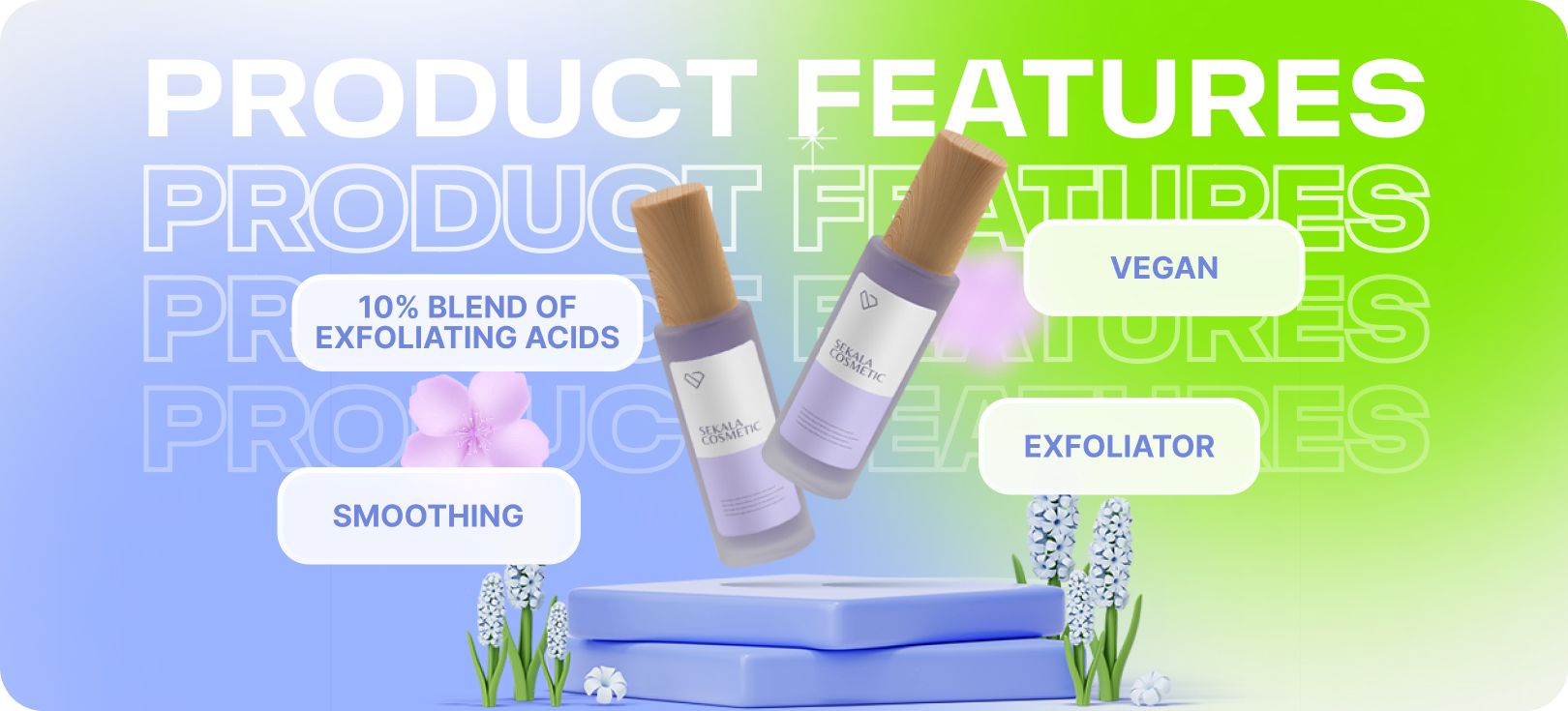
When developing a new product, one of the most crucial aspects of achieving long-term success is creating features that resonate with customer needs. It’s no longer just about having a unique product — it's about delivering value through features that improve customer experience, solve problems, and drive brand loyalty. Yet, understanding how to develop product features that not only meet but exceed customer expectations can be a complex challenge.
This guide will explore product features in detail, explain how they differ from product benefits, and provide actionable steps to develop customer-centric features that make your product stand out.
What is a product feature?
A product feature refers to a specific functionality, attribute, or design element integrated into a product to fulfill a particular need or enhance its overall usability. In simple terms, features are the "what" behind a product's functionality — distinct aspects or characteristics that make a product unique and desirable.
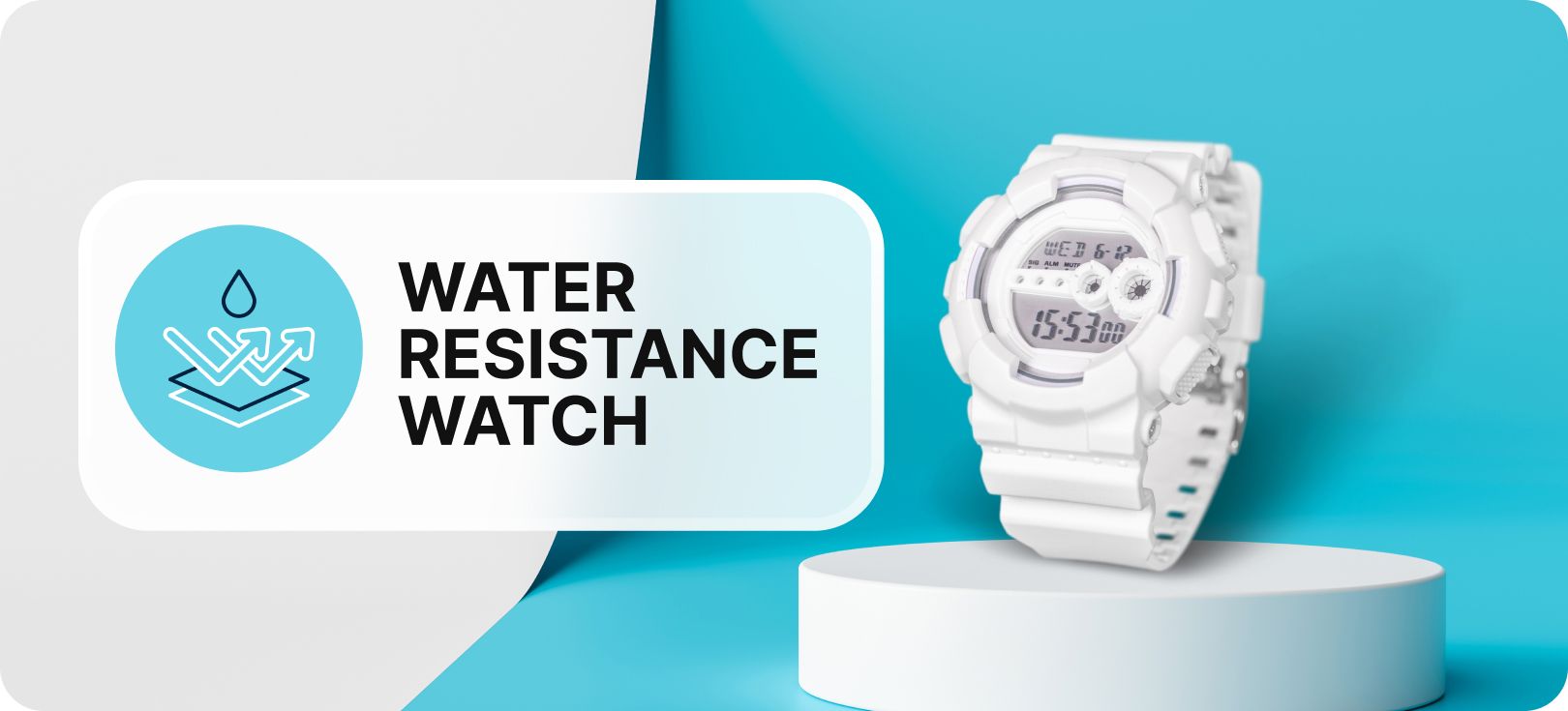
For example, a smartphone feature could be "water resistance," allowing the device to function even when submerged in water. Another example could be "biometric authentication," which allows users to unlock their devices using fingerprints or facial recognition.
The difference between product features and product benefits
While product features and benefits are closely connected, they are fundamentally different in their focus:

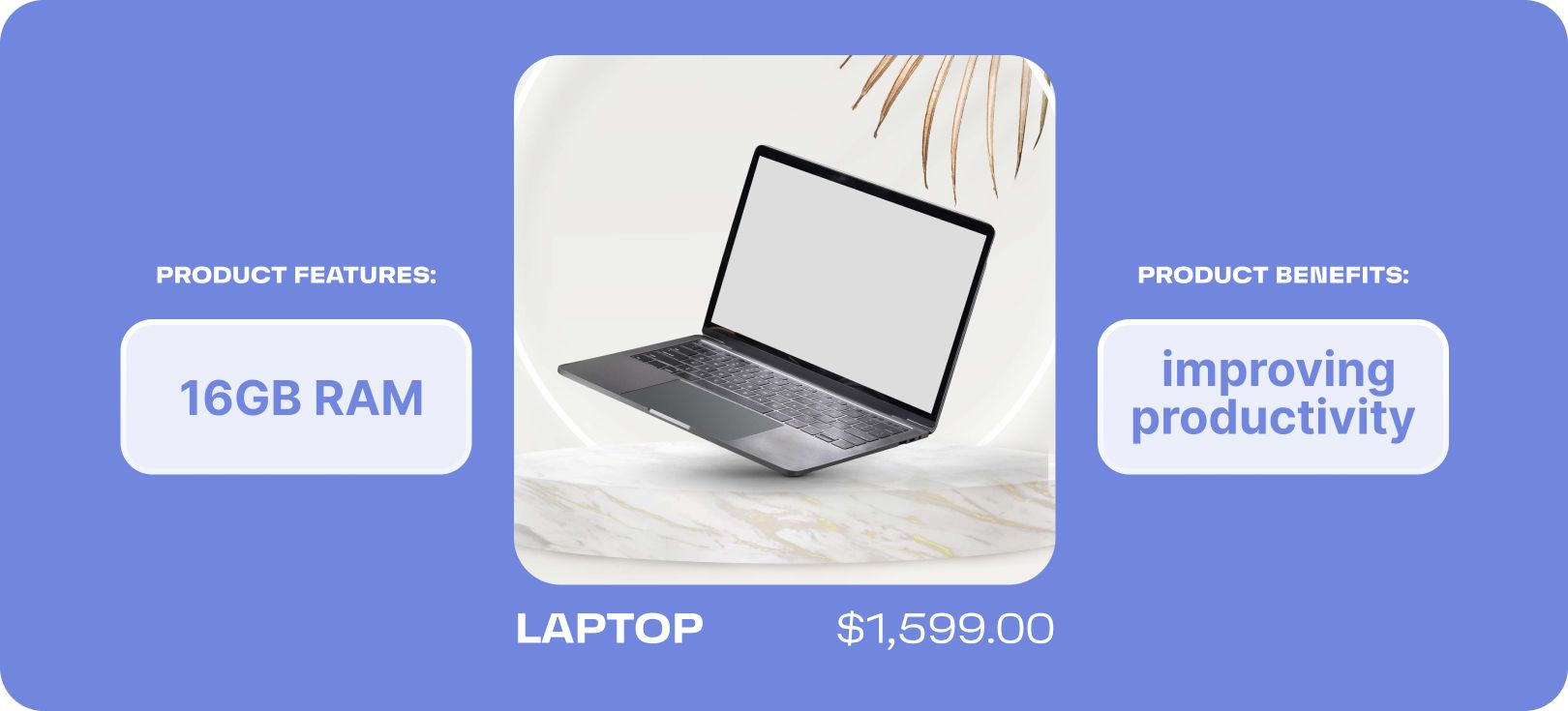
Product features: The tangible aspects or functionalities of a product. They describe what the product offers or how it works.
Example: A laptop with 16GB RAM for fast multitasking.
Product benefits: The advantages or value that the customer gains from using those features. They answer why the feature matters to the user.
Example: With 16GB RAM, users can run multiple applications without lag, improving productivity and efficiency.
In essence, features are about the product, whereas benefits are about the user. To succeed, product teams need to bridge the gap between what the product can do and how it can improve the customer’s life.
Types of product features
Product features can be categorized into several types, each playing a different role in delivering value to customers. Understanding these categories can help product teams prioritize the right features during development:
1. Functional features
These are the core functionalities that enable a product to perform specific tasks or solve a problem. Functional features are often the primary reason customers purchase a product.
Example: A messaging app with end-to-end encryption for secure communication.
2. Design and aesthetics
These features focus on the visual appeal and user experience of the product. A well-designed product can significantly enhance the customer’s emotional connection and satisfaction.
Example: A sleek, minimalist smartphone design with an edge-to-edge display.

3. Quality and durability
Customers expect products to last and perform reliably over time. Quality features emphasize the longevity and robustness of the product.
Example: A stainless steel coffee maker with anti-rust technology and long-lasting materials.
4. Performance
These features define how well a product functions under different conditions or usage scenarios. They often relate to speed, capacity, or efficiency.
Example: A car with fuel efficiency of 40 miles per gallon or a software application that loads in under two seconds.
5. Usability and accessibility
These features are designed to make the product easy to use for a wide range of customers, including those with disabilities.
Example: Voice commands and screen-reading capabilities on smart home devices for enhanced accessibility.
6. Safety
For certain industries, safety features are non-negotiable and can be a key differentiator. They protect users from harm or ensure secure usage.
Example: An e-bike with automatic braking systems or a mobile banking app with two-factor authentication.
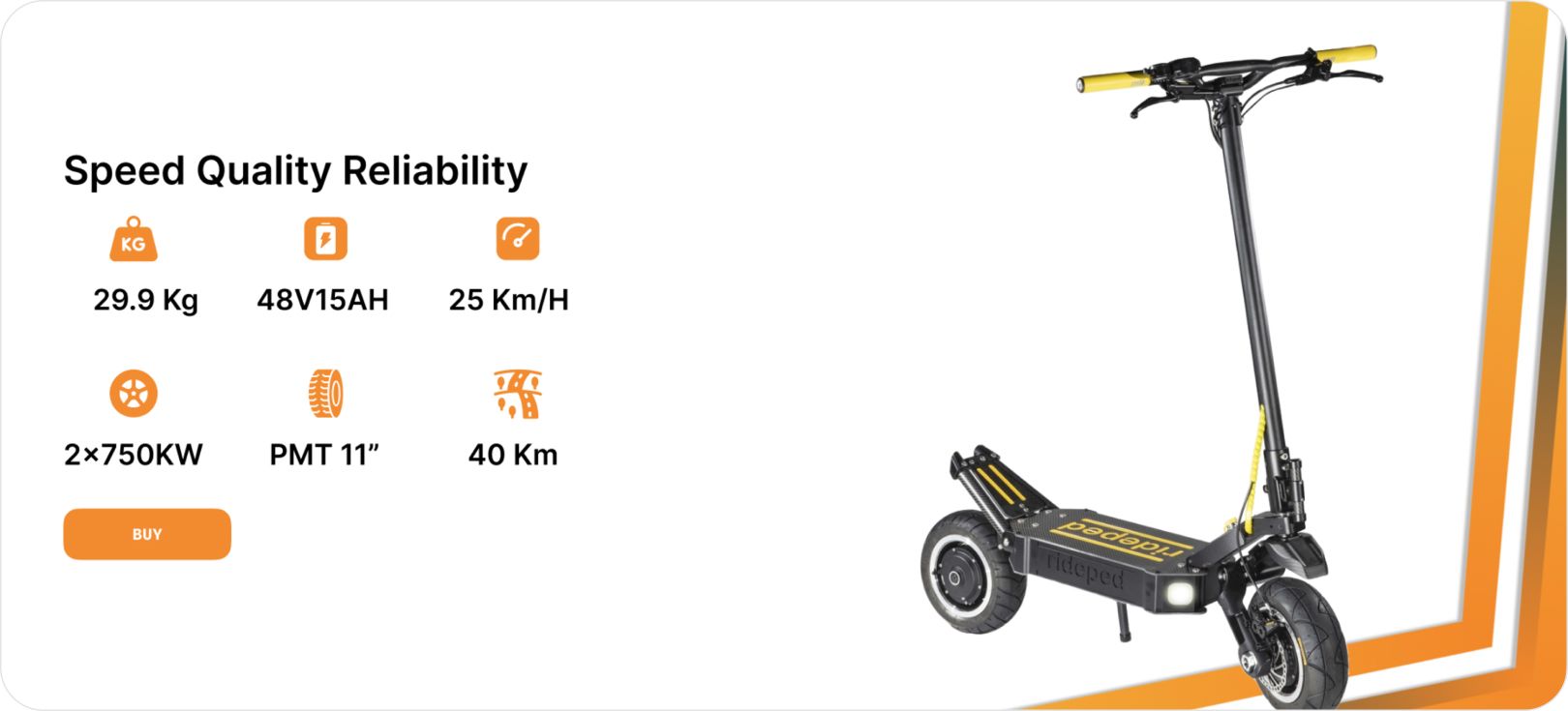
7. Environmental and sustainability features
More consumers are seeking eco-friendly products, making sustainability features increasingly important.
Example: A water bottle made from 100% recycled materials or a laptop with energy-saving modes.
Example of a great product feature
Let’s look at a specific example of a widely celebrated product feature that transformed customer experiences:
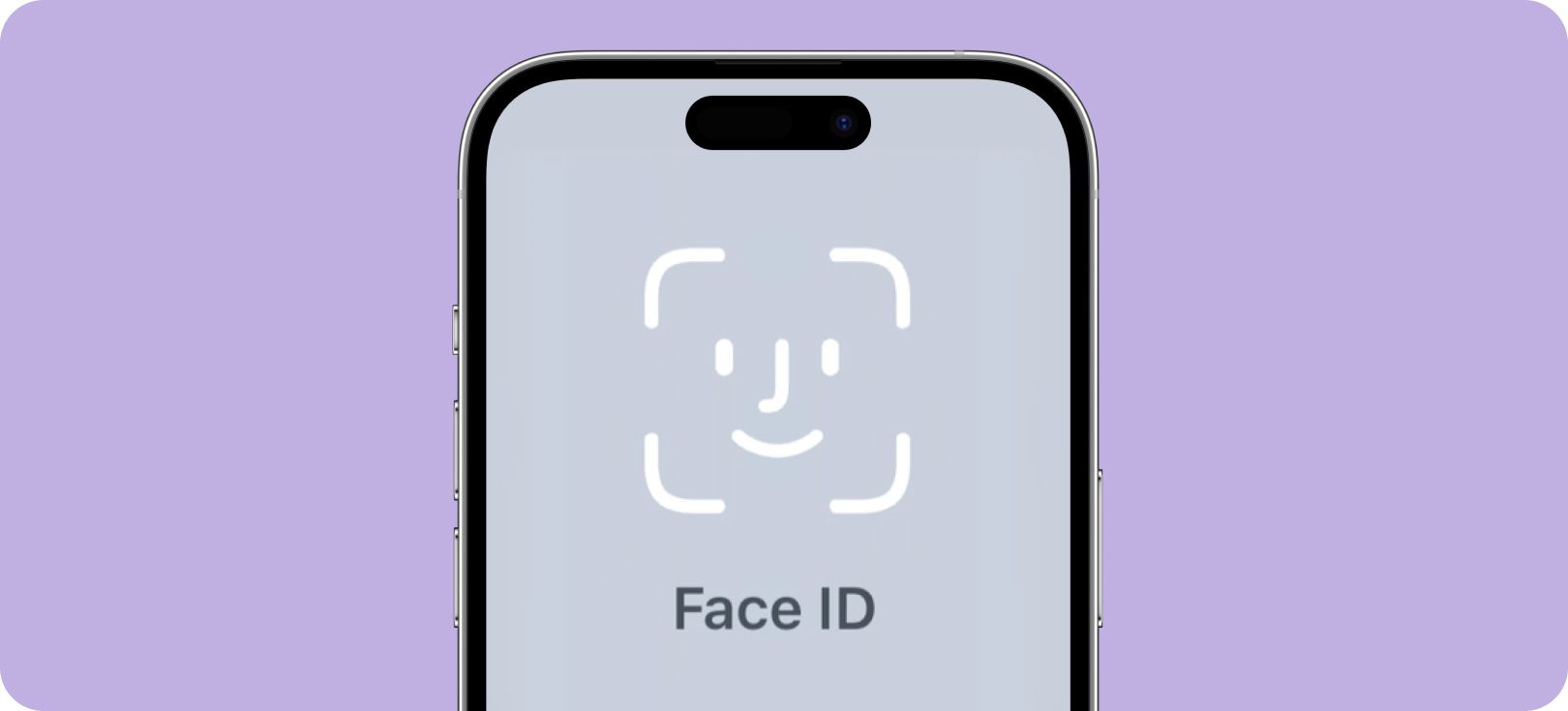
Apple Face ID (Biometric Authentication)
When Apple introduced Face ID with the iPhone X, it wasn’t just a new feature — it was a revolutionary way to enhance both security and convenience.
Feature: Facial recognition technology that scans the user’s face to unlock the device.
Benefit: Users no longer need to remember PIN codes or passwords, making the unlocking process faster and more seamless. Face ID also provides enhanced security as facial data is harder to replicate than traditional passcodes.
This feature was not just technologically innovative — it addressed a real user need for convenience and security, making the iPhone more attractive to a wide range of users.
How to develop product features
Developing product features that align with customer needs requires a deep understanding of your target market, continuous feedback, and a balance between innovation and usability. Below is a step-by-step guide to developing features that meet and exceed customer expectations, from understanding your audience to marketing your product.
1. Understand your target audience
The foundation of developing successful product features begins with a thorough understanding of your target audience. Before you can design features that address their needs, you must first get to know who they are, what challenges they face, and what solutions they currently rely on. This requires more than just surface-level research; it involves delving into the motivations, preferences, and behaviors that drive their purchasing decisions.
One of the most effective ways to gather this information is through direct engagement. Conducting surveys, interviews, and focus groups allows you to gather valuable qualitative insights. Pay attention to customer feedback through support channels, online reviews, and social media interactions. By analyzing this feedback, you can identify common themes, recurring pain points, and emerging trends. Another key step is creating detailed user personas that represent various customer segments. These personas help your team visualize different user types, making it easier to design features tailored to their unique needs and preferences.

2. Identify core customer needs
Once you’ve gathered insights about your audience, the next step is identifying their core needs. These are the specific problems or desires that your product should address. It’s important to distinguish between general wants and actionable pain points that can be solved through well-designed features. Addressing these needs effectively is what differentiates a successful product from a forgettable one.
Start by mapping out the customer journey to pinpoint areas where users encounter friction. This could be anything from complicated onboarding processes to inefficient workflows. Use tools like customer journey mapping to visualize these pain points at every touchpoint of the customer experience. Once identified, prioritize these needs based on their frequency and impact. Focus first on solving the most pressing issues that affect the majority of your users, as these will deliver the highest value.
3. Prioritize features based on impact and feasibility
Not all features have equal weight when it comes to development. Some may offer significant value but require extensive resources, while others might be quick wins with a moderate impact. The challenge lies in balancing customer expectations with your technical capabilities and available resources.
To tackle this, consider using a value vs. effort matrix to evaluate potential features. Features that fall into the "high-value, low-effort" quadrant should be prioritized, as they offer the most immediate return on investment. Conversely, features that require substantial effort but provide limited value can be deprioritized or postponed for future iterations.
It's also essential to involve cross-functional teams — including development, design, and marketing — early in the prioritization process. Their diverse perspectives can help assess feasibility from different angles, ensuring that you allocate resources efficiently and avoid overpromising to customers.
4. Focus on simplicity and usability
A feature is only valuable if users can easily understand and use it. Overly complex features, no matter how innovative, can deter customers if they create confusion or add unnecessary friction. Simplicity should be at the core of your design philosophy to ensure a seamless user experience.
Begin by conducting usability testing with real users to identify potential pain points in navigation, functionality, or clarity. Observe how users interact with the feature and note areas where they struggle or hesitate. Based on this feedback, iterate and refine the feature to eliminate friction and enhance user satisfaction.
Clear documentation and intuitive interfaces can make even complex features feel simple. Always aim for minimal cognitive load, ensuring that users can understand and engage with features without extensive training or support.
5. Validate through prototyping and MVPs
Before investing significant time and resources into full-scale development, it's critical to test your ideas through prototyping and Minimum Viable Products (MVPs). This allows you to validate your features in real-world conditions and gather early feedback without committing to a complete build.
Start by creating low-fidelity prototypes or mockups that illustrate how the feature will function. Present these prototypes to a select group of users and stakeholders for initial feedback. From there, develop an MVP — a stripped-down version of the feature that includes only the most essential functionalities. Launch the MVP to a limited audience and closely monitor their interactions, gathering insights on usability, value, and potential improvements.
This iterative approach minimizes risk, reduces development costs, and ensures that the final product meets customer expectations.
6. Design your product
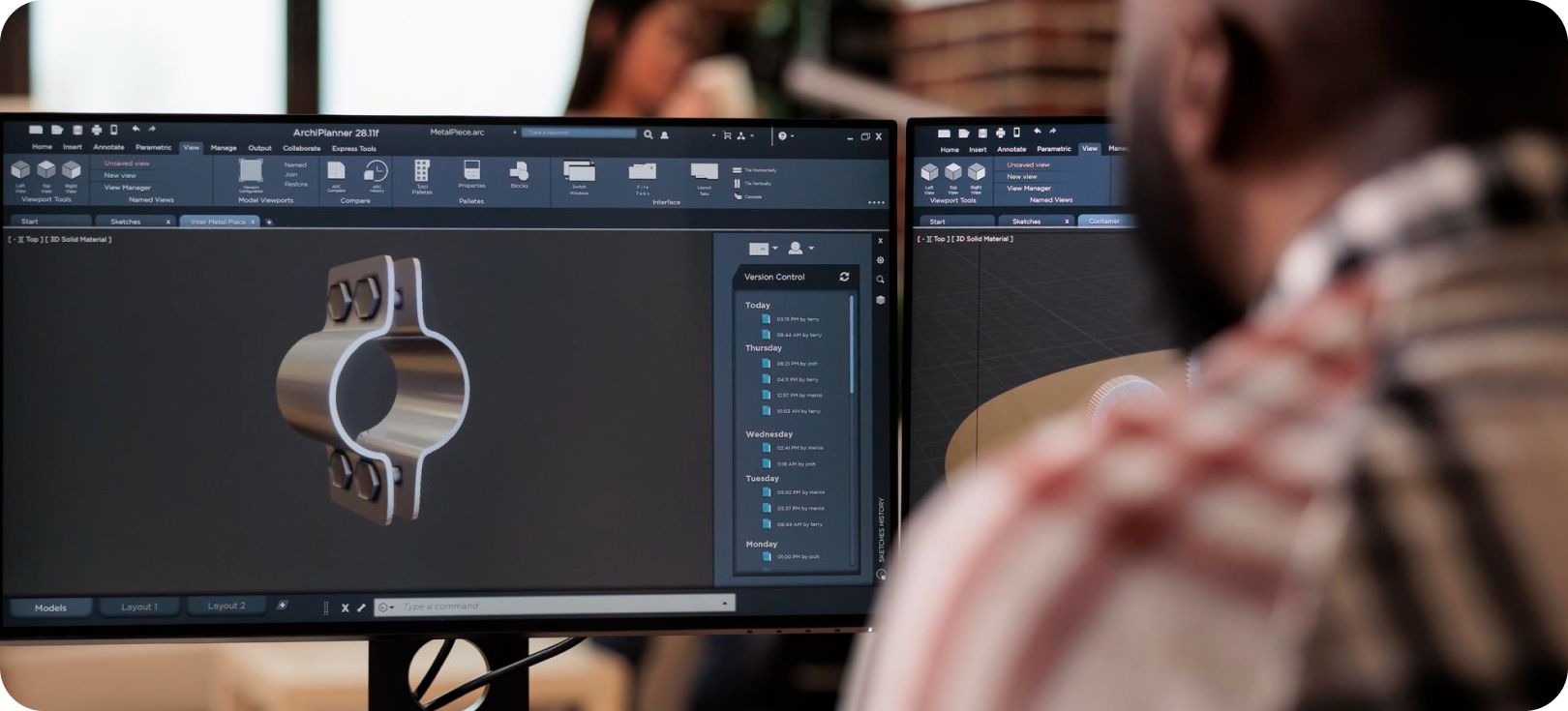
Design plays a pivotal role in how users perceive and interact with your product. A well-designed feature is not only functional but also visually appealing and intuitive. Whether it's the user interface, layout, or overall aesthetics, design significantly impacts the user experience.
Collaborate closely with designers to ensure that every feature aligns with your brand’s visual identity while prioritizing ease of use. Consider user-centered design principles, where every design decision is guided by the end user’s needs and preferences. By creating visually pleasing, user-friendly designs, you can enhance the overall appeal and usability of your product, making it more attractive to potential customers.
7. Communicate the value clearly
Even the best features can fall flat if their value isn’t communicated effectively. Customers need to understand not only what a feature does but also why it matters to them. This is where clear, customer-focused communication becomes essential.
When introducing a new feature, avoid technical jargon and instead focus on the real-world benefits it delivers. For instance, instead of saying, "Our app uses advanced encryption algorithms," emphasize, "Your data stays secure with industry-leading protection." Use storytelling techniques and real-life scenarios to demonstrate how the feature improves user experiences or solves common problems.
Marketing teams should collaborate closely with product teams to craft messaging that highlights both features and benefits, ensuring that customers see the tangible value from the start.
8. Market your product
Once you've developed and refined your features, it’s time to market them effectively. Even the most innovative features won't succeed if customers aren't aware of them. Your marketing strategy should highlight the unique value your features bring to users.
Use various channels, such as social media, email campaigns, and content marketing, to spread the word. Showcase how your features solve real problems through case studies, tutorial videos, and customer testimonials. Collaborate with sales teams to ensure they understand and can communicate the benefits of the new features to potential clients.

9. Continuously improve based on feedback
Customer needs are constantly evolving, and your product features should evolve with them. Continuous improvement ensures that your product remains relevant, competitive, and aligned with user expectations.
Set up systems for collecting ongoing feedback through customer satisfaction surveys, Net Promoter Score (NPS) surveys, and in-app feedback tools. Analyze this data regularly to identify patterns and areas for improvement. Additionally, monitor how users interact with your features using data analytics to determine which functionalities are most popular and where users drop off.
Feedback loops should be integrated into your development process, allowing your team to refine and enhance features over time. By staying responsive to user feedback, you build stronger customer relationships and ensure long-term product success.
Put your customers at the heart of feature development
Developing product features that meet customer needs is a journey that requires insight, empathy, and iteration. By understanding your target audience, prioritizing high-impact features, and continuously refining based on feedback, you can create features that don’t just work — but create a wow effect. Remember, features are only as valuable as the problems they solve and the user experience they enhance.
At the end of the day, customers will remember how your product made their lives easier, better, or more enjoyable. And when you get that right, your product doesn’t just meet customer needs — it becomes indispensable.
To make it easy for customers to purchase your beautiful products, you need a reliable platform to build your online store. Take advantage of our 14-day free trial on the Sellavi platform and discover the powerful features that can help your e-commerce business grow from the ground up!