What is CR and how to increase the online store conversion rate
One of the most critical performance indicators of an online store is its Conversion Rate (CR). If you are not tracking it or have identified that it’s lower than expected but are still investing in attracting traffic without taking corrective measures, then you are likely wasting both time and money. Driving visitors to your store without ensuring they convert into paying customers is equivalent to pouring water into a leaky bucket.
In this article, we’ll break down what conversion means in the context of e-commerce, how to accurately calculate it, and — most importantly — how to raise your conversion rate so your online store can meet its profit potential and stay competitive in the digital marketplace.
What is CR in e-commerce?
Conversion Rate (CR) is a fundamental metric that indicates how effectively your e-commerce store turns visitors into customers. More broadly, conversion refers to the completion of a desired action, such as making a purchase, signing up for a newsletter, filling out a contact form, or downloading a file. In e-commerce, the primary conversion is typically a sale, but tracking secondary conversions helps provide a fuller picture of customer engagement.
The basic formula for calculating CR is simple:

The conversion rate calculation formula: C = Number of users at stage X / Number of users at stage Y x 100%.
Divide the number of users who complete a specific action (stage X) by the total number of users who reached the previous stage (stage Y), then multiply the result by 100 to get a percentage. This approach is particularly effective when you analyze each step of the sales funnel individually.
For example, if your store received 100 visits in a single day, and 20 people viewed a product page, 5 added an item to their cart, and 2 completed a purchase, the CR at each stage would be 20%, 5%, and 2% respectively. By breaking the process into smaller stages — homepage to product page, product page to cart, cart to checkout — you can clearly identify where you lose customers and why.
Tracking CR across the funnel gives you several strategic advantages. It allows you to isolate and fix weak points in the user journey. You can also measure the effectiveness of marketing campaigns through A/B testing and monitor improvements after making changes to design, copy, pricing, or site structure. Most importantly, increasing your conversion rate is the most direct way to boost Return on Marketing Investment (ROMI) without spending more on traffic acquisition.
To ensure accuracy in your data, segment your analysis based on device type, traffic source, and user demographics. Mobile and desktop visitors may behave differently, and different advertising channels often bring audiences with varying levels of purchase intent. Aggregating this data without segmentation may lead to misleading conclusions and poor optimization decisions.
How to increase the conversion rate in online sales?
If your CR is lower than industry standards or your internal benchmarks, prompt action is essential. Every underperforming page or friction point in your funnel is a missed revenue opportunity. Improving CR means optimizing the full experience — from the first ad impression to the final checkout page. Let’s explore the main factors that influence CR and how each can be fine-tuned.
Advertising
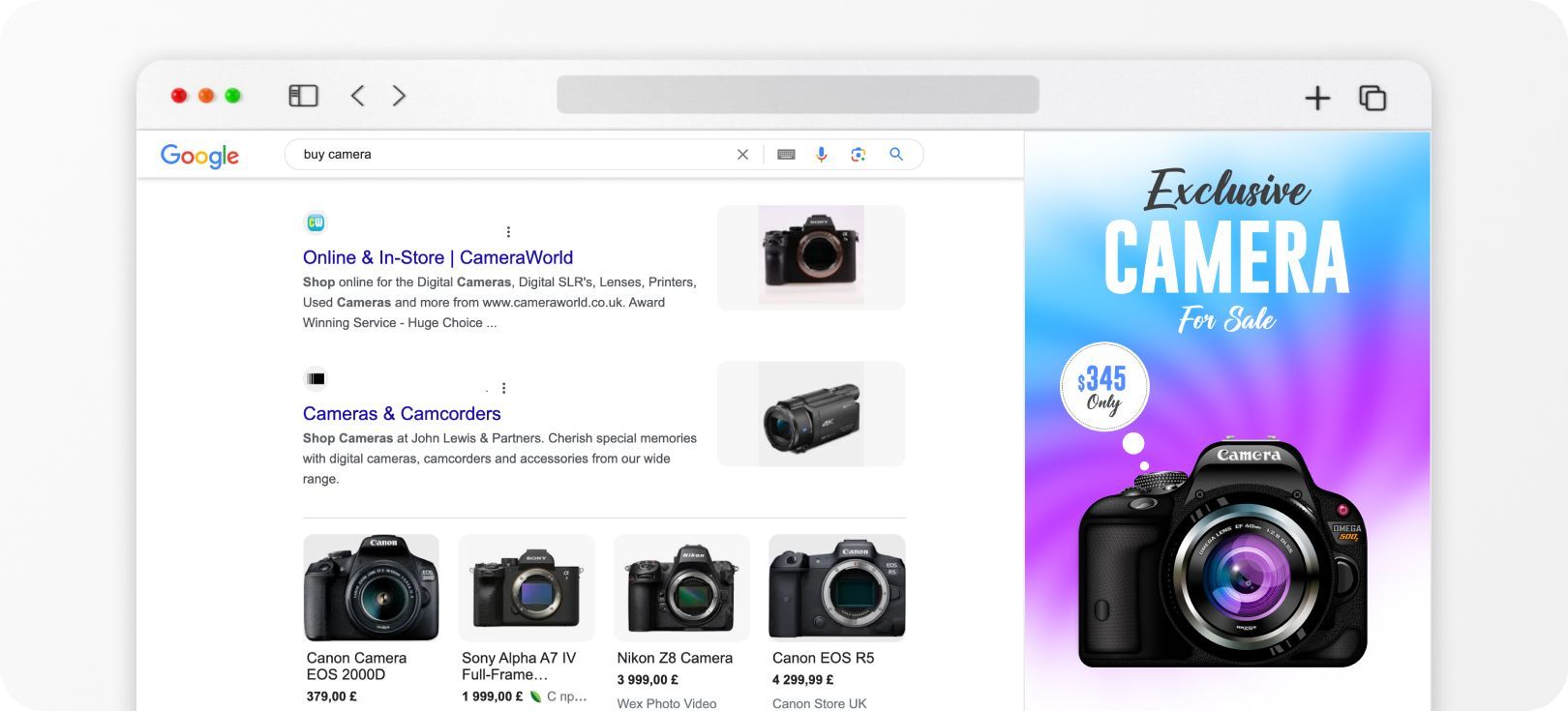
The quality of your advertising plays a pivotal role in conversion. A common issue in poorly converting campaigns is mismatched messaging. Advertisements might be catchy and attract attention, resulting in a high Click-Through Rate (CTR), but if the message overpromises or doesn’t align with the landing page content, visitors quickly bounce. This behavior inflates ad spend and weakens overall performance.
To uncover this problem, examine bounce rate and session duration metrics in Google Analytics 4. If users consistently leave your site within a few seconds of arrival, it signals a disconnect between your ad content and your landing page experience. Revisit your ad creatives, headlines, and targeting strategy. Ensure that visitors land on pages that directly reflect the promises made in your advertisements.
Make it a habit to frequently review and iterate on your campaigns. Small adjustments — such as refining ad copy, better segmenting your audience, or improving the relevance of your landing page — can lead to noticeable increases in conversion.
Design
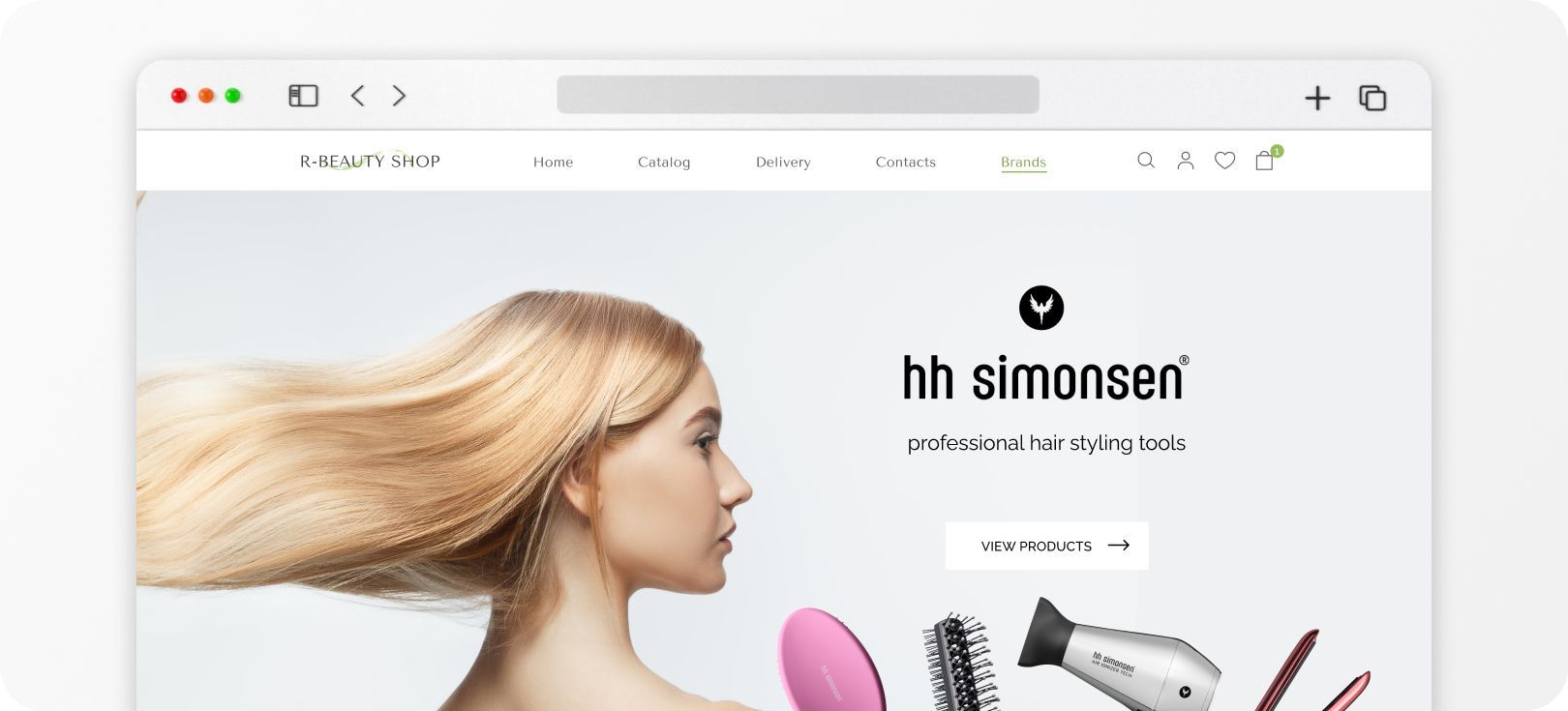
Visual design strongly affects the user's first impression. A cluttered, overly vibrant interface can overwhelm users, while a bland and generic design might make the site feel untrustworthy or unfinished. Design should be visually appealing yet intuitive, with clear visual hierarchy, well-defined call-to-action buttons, and legible typography.
Professional assistance can be invaluable here. Designers who specialize in e-commerce understand how color psychology, spacing, and visual flow impact buying decisions. Mistakes like inconsistent layouts, non-mobile-responsive elements, or unreadable fonts can quietly erode trust, even if the product offering is strong.
Another commonly overlooked detail is language quality. Typos, awkward phrasing, or poorly translated product pages will raise doubts in customers' minds. Proper spelling and grammar are signs of professionalism and attention to detail — qualities that influence trust and, therefore, conversion.
Usability and user experience
Even the best-designed store will fail to convert if usability is poor. Many potential customers drop off due to simple usability issues: menus that are hard to find, unclear navigation paths, a missing search function, or difficulty returning to a previously viewed product. These frustrations disrupt the buying journey and often lead to bounce.
You must treat usability as a core priority, not an afterthought. Intuitive site structure, easily accessible product categories, a functional site search, and visible breadcrumbs all help guide users deeper into the store. Include filtering options that allow users to sort products by size, color, or price range to shorten the decision-making process.
Website loading speed is another conversion-critical factor. Studies consistently show that users begin abandoning pages after just two to three seconds of waiting. To reduce load times, optimize image sizes, implement caching strategies, and eliminate unnecessary scripts. Mobile optimization is equally essential. With mobile commerce continuing to grow, your store must look and function perfectly on every screen size and operating system.

Products
Pricing strategy has a significant psychological impact on buyer behavior. A price that’s perceived as too high can drive potential customers to competitors. At the same time, a price that’s suspiciously low may cast doubt on product quality. The key is to justify the price you set — whether high or low — by tying it to value.
If your price is above average, back it up with superior product quality, reliable customer service, generous return policies, or extras like free shipping. If your price is lower than market alternatives, explain why. Transparency builds trust, and trust increases conversions.
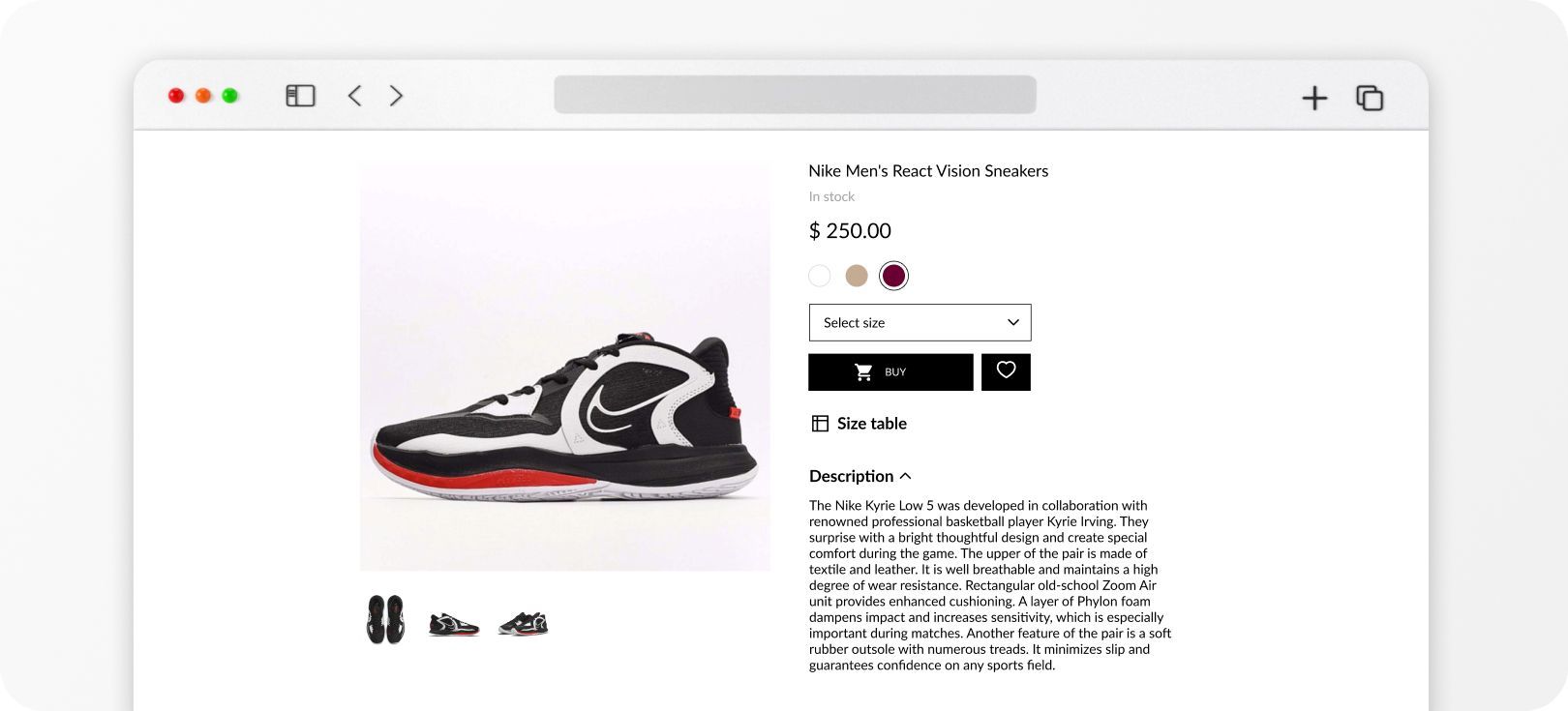
Effective product descriptions are crucial. Avoid generic templates and instead provide detailed information about the product’s specifications, size, use cases, and benefits. Think like your target customer and highlight what matters most to them. If you're selling electronics, technical specs might be key. If it’s fashion, fabric and fit are likely more important.
Don’t forget about social proof. Product reviews and customer ratings dramatically influence conversions. If your store lacks reviews, encourage them by following up with buyers post-purchase, offering incentives for feedback, or showcasing user-generated content. The absence of reviews often stops shoppers from completing a purchase, especially for higher-priced items.
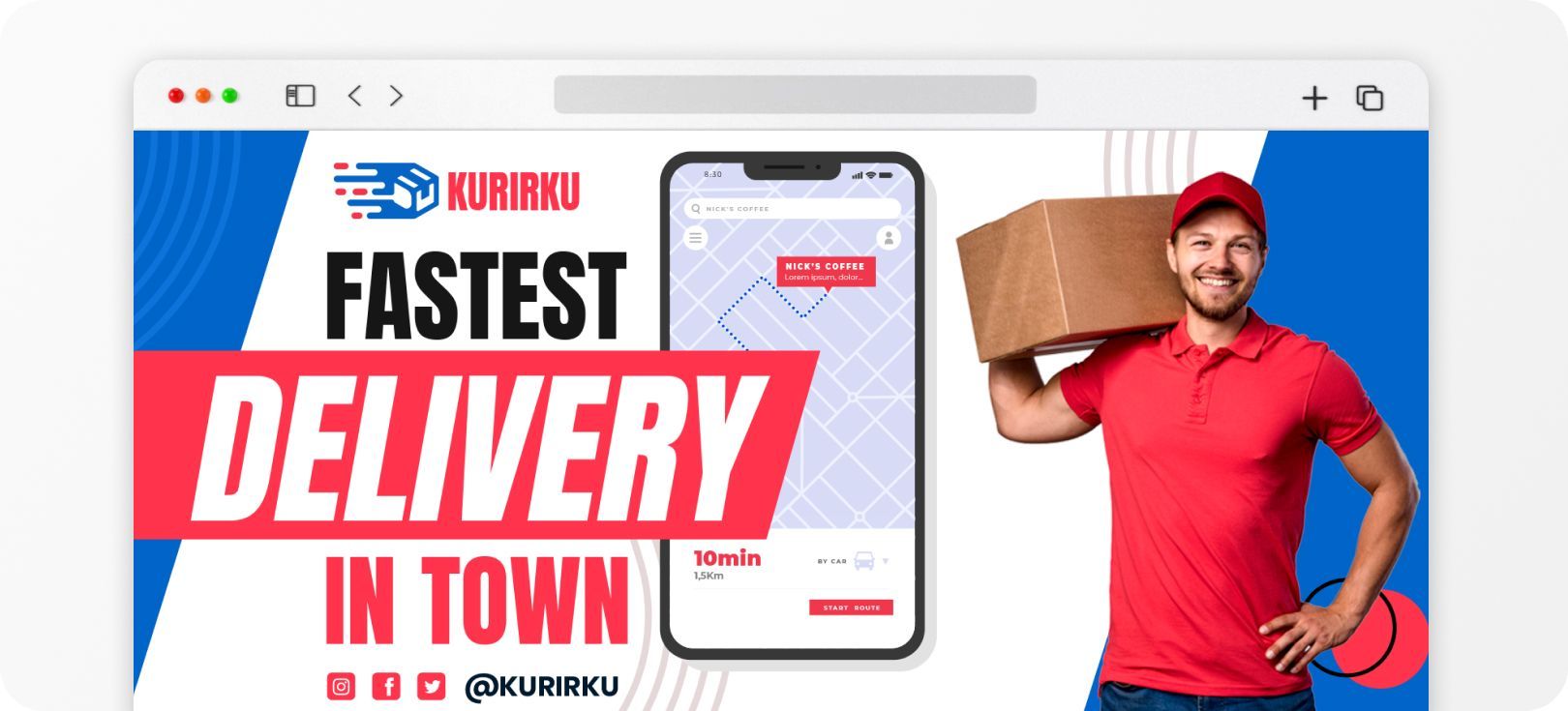
Delivery and payment
Shipping and payment flexibility can make or break a sale. High delivery fees or limited shipping areas can immediately deter customers. Provide clear information about delivery costs, timelines, and methods. If possible, offer a choice between standard and express options.
The same applies to payment. Offering a variety of secure and convenient payment methods — such as credit cards, PayPal, mobile wallets, and buy-now-pay-later services — reduces friction at checkout. Use a reliable payment gateway with strong security protocols to reassure customers that their financial data is safe.
Contact information
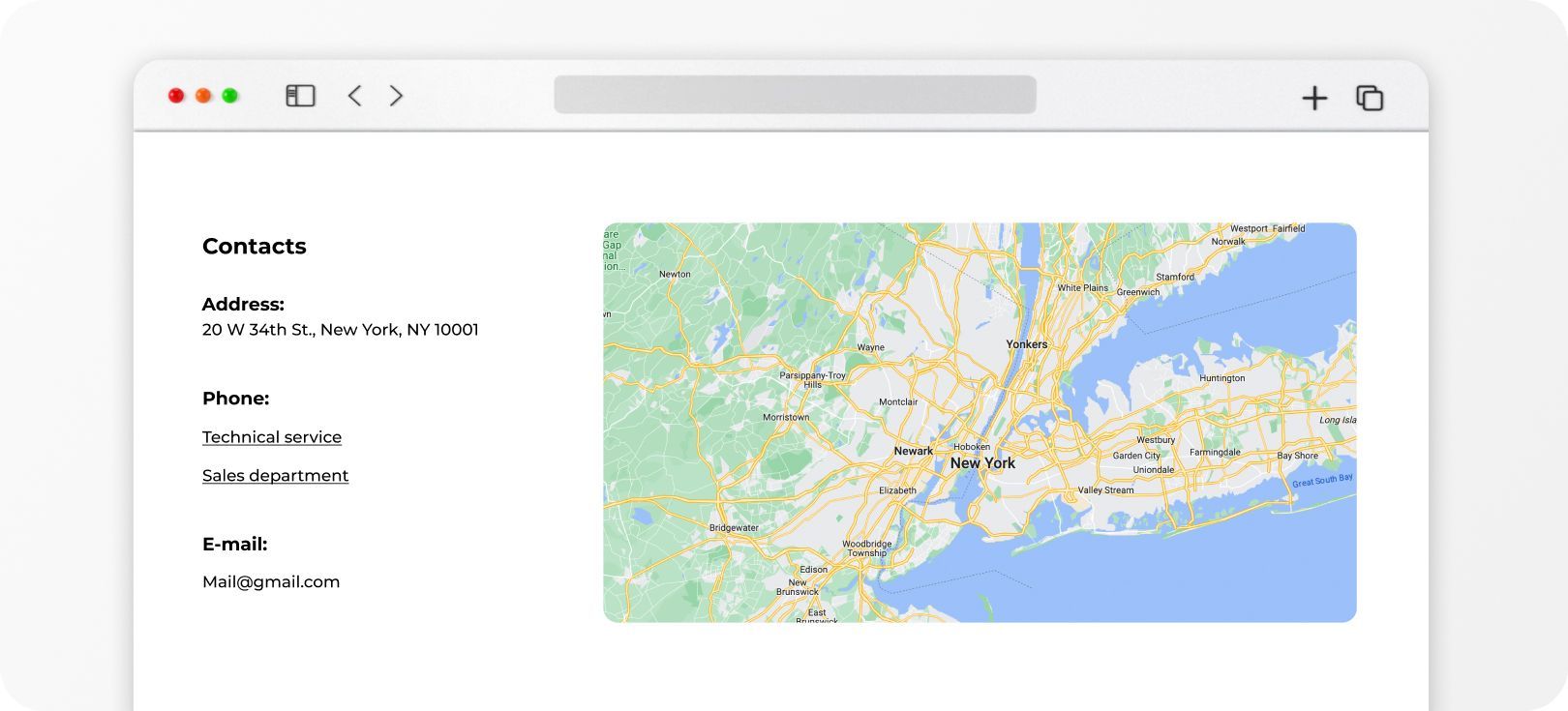
Shoppers need to feel confident that they can reach you if something goes wrong. An online store that doesn’t display clear and accessible contact details appears suspicious and discourages purchases.
Place your contact number at the top of the page, preferably in the header. Include a footer with your business email, physical address, and links to a contact or FAQ page. Embedding a map or including business hours adds further credibility. These small additions humanize your store and build trust.
Widgets
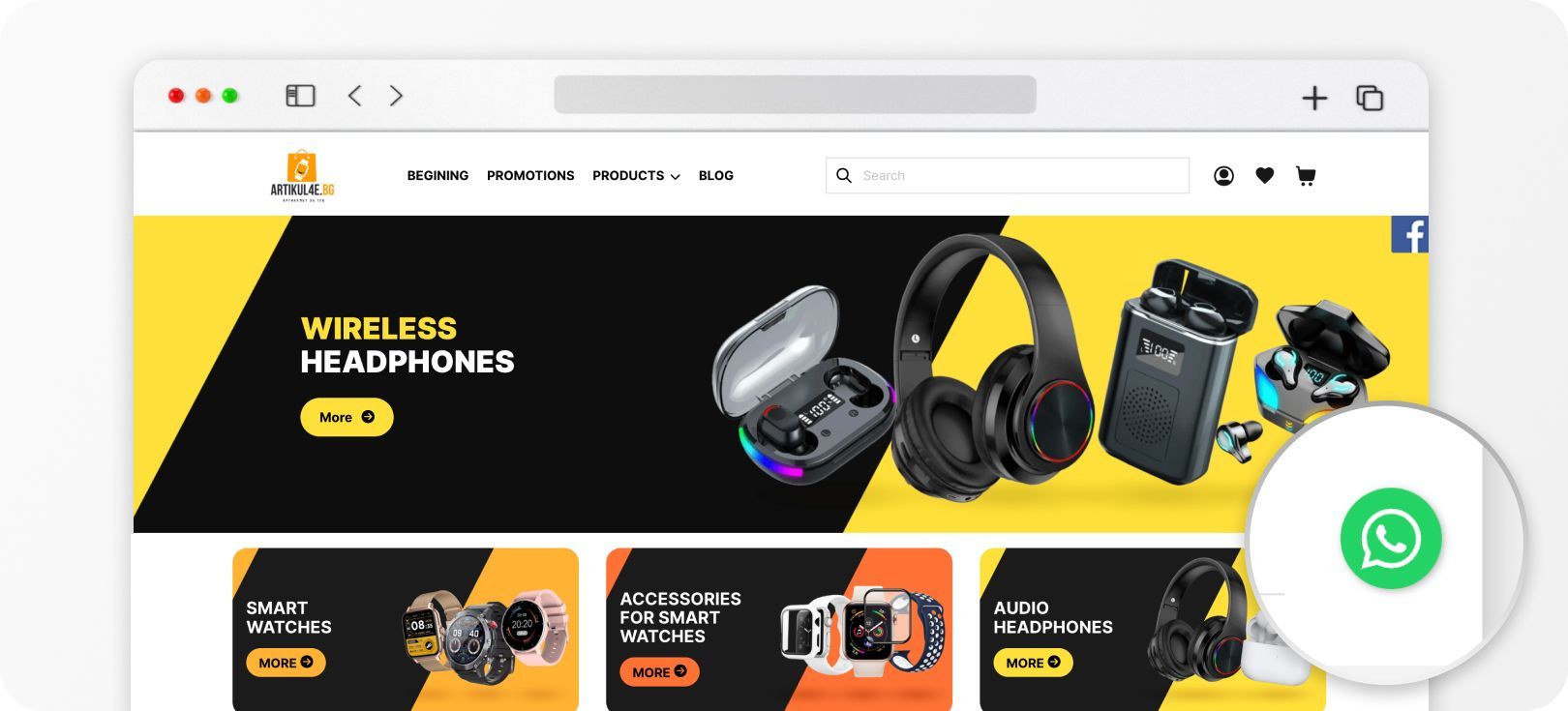
Widgets are functional elements that serve to bridge the gap between the customer and the seller. These may include live chats, callback buttons, inquiry forms, or quick-access social media links. Their presence can reassure visitors that help is available if needed.
However, moderation is essential. Overloading your pages with too many floating widgets or pop-ups can create visual chaos and distract from the buying journey. Prioritize features that add value and support the purchasing decision, rather than overwhelming users with excessive prompts.
Pop-up windows
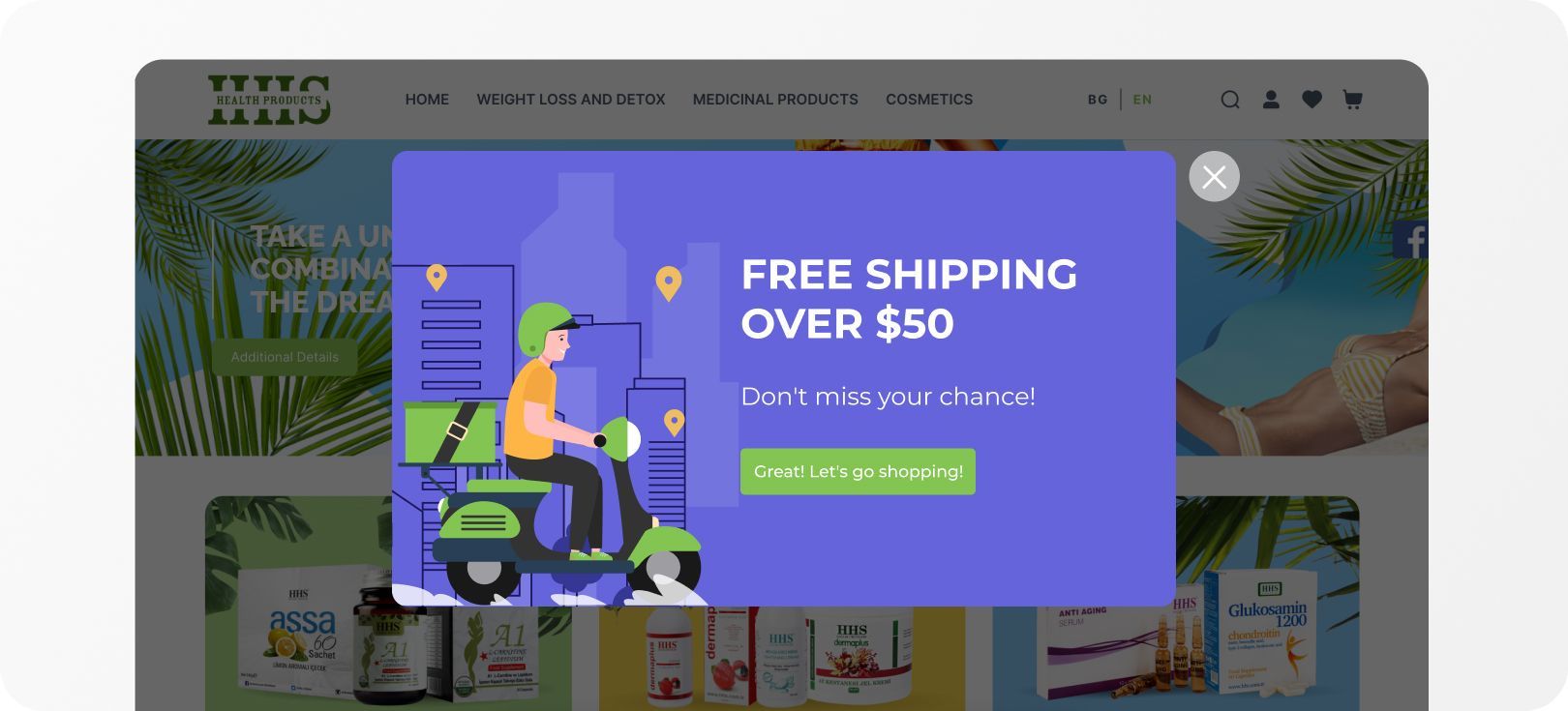
Pop-ups can either enhance or damage the user experience depending on their timing, content, and frequency. A well-placed pop-up offering a discount, free shipping, or a limited-time offer can nudge an undecided shopper toward conversion. On the other hand, intrusive pop-ups that block content or appear too early can frustrate users and cause them to leave.
Use behavioral triggers to control when and how pop-ups appear. For example, a discount offer could be shown after a visitor has spent 15 seconds on a product page or as they attempt to exit. A/B testing is essential here — test different formats, messaging, and timing to identify what works best for your audience.
Registration
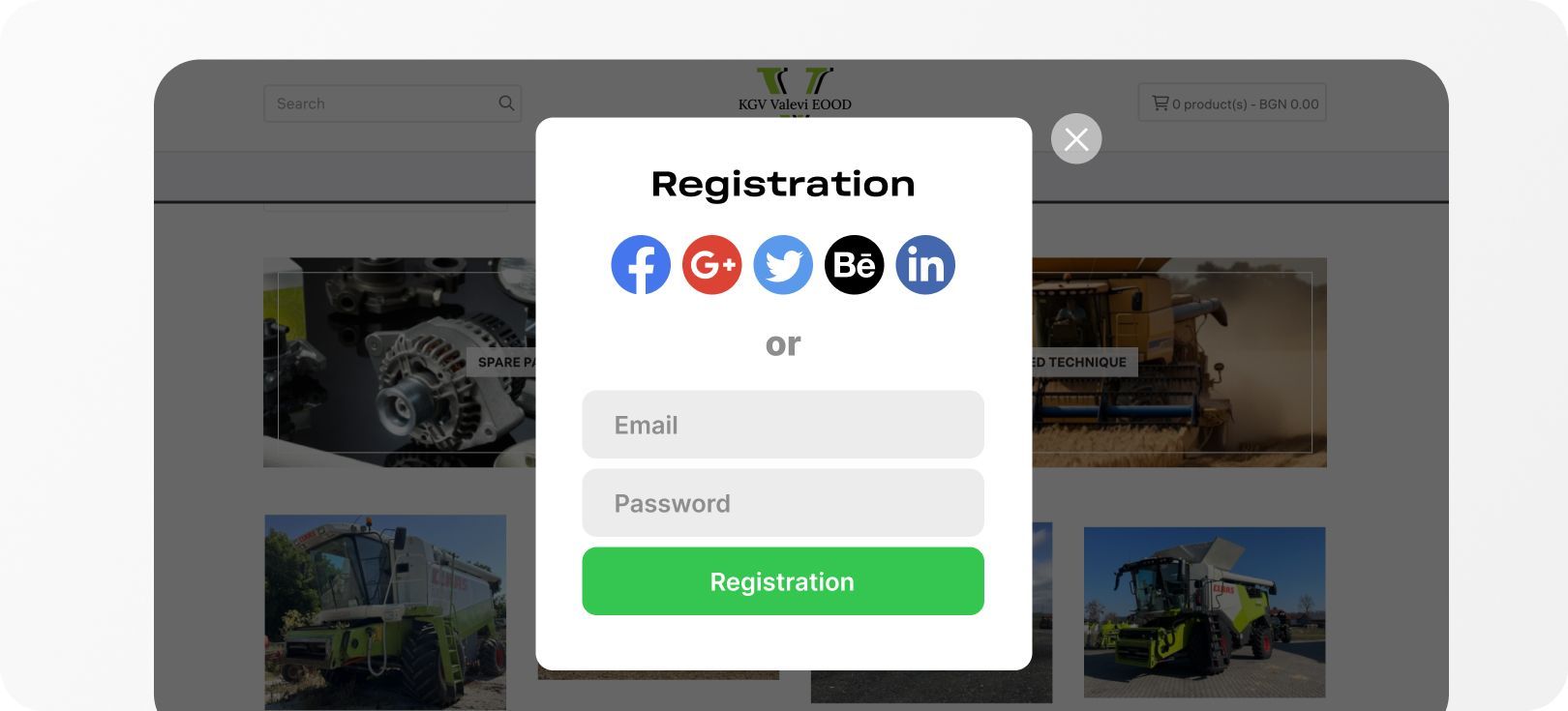
Account registration is a common source of friction in e-commerce. While it benefits the seller by enabling remarketing and personalization, it often deters buyers who simply want to complete their purchase quickly.
The best approach is to make registration optional. Allow users to check out as guests while offering clear benefits for creating an account. This might include loyalty rewards, early access to new products, or a personalized discount. Simplify the process as much as possible — enable login via Google, Facebook, or Apple to reduce barriers and improve UX.
In the end, it is all up to your efforts
Improving your conversion rate is not about applying a single tactic — it’s about building a store that makes the path to purchase easy, engaging, and trustworthy. CR is not just a number. It’s a reflection of your entire online store’s performance: your marketing alignment, user interface, pricing strategy, customer service, and technical infrastructure. Every decision you make leaves an imprint on that metric.
The earlier you start paying attention to your conversion rate, the faster you'll be able to correct issues and maximize your store's profitability. Whether you're just starting your online journey or trying to scale an existing store, working to improve CR is an ongoing process — and one of the most important you’ll undertake.
Fortunately, Sellavi simplifies much of this work. Our e-commerce platform includes built-in tools designed to support conversion optimization — from fast-loading mobile templates to integrated marketing tools and responsive support. With Sellavi, you're not just creating a store; you're building a conversion-ready business.