How to sell online: beginner's guide
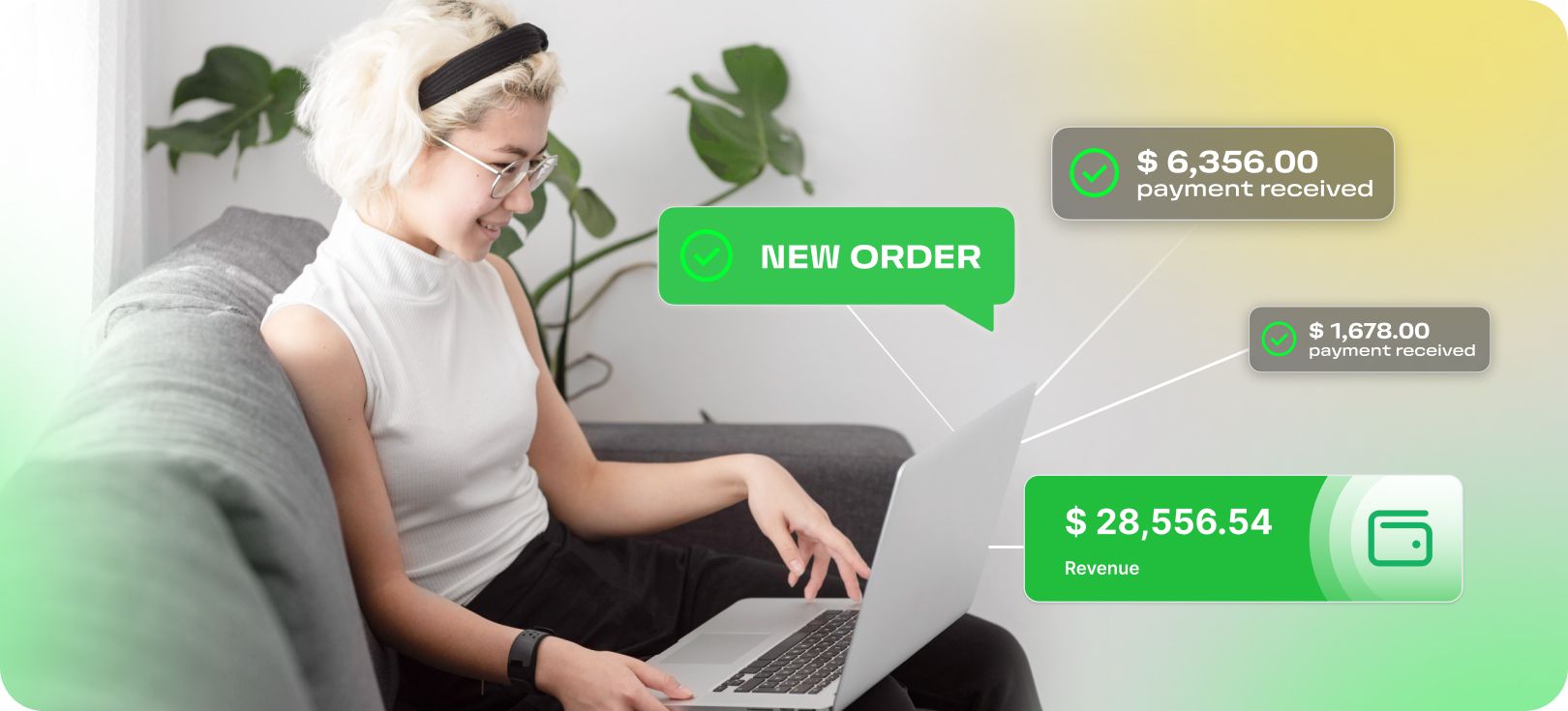
Starting an online business today is easier than ever, offering opportunities to entrepreneurs regardless of their experience level. Selling online provides the flexibility to operate from anywhere, reach a global audience, and scale your business with minimal upfront investment. However, success in e-commerce requires more than just listing products for sale. Careful planning, strategic decision-making, and an understanding of the digital marketplace are crucial. This beginner’s guide will answer some key questions and help you understand what is worth knowing before you start selling online.
Can everyone sell online?
Absolutely! Whether you’re an individual looking to turn a hobby into a business, a small business owner expanding beyond a physical location, or a large enterprise exploring digital opportunities, anyone can sell online. Many people have already engaged in online selling through different platforms, trading items like used furniture, clothing, and electronics. However, if you're serious about making a profit and reaching a broader audience, the most effective approach is to establish your own e-commerce store. Owning an online store allows you to sell 24/7, ensuring constant accessibility for potential customers. With the right marketing strategy, including paid advertising and organic outreach, you can target your ideal customers more effectively, ensuring long-term business success.
Is it a good idea to start an online business right now?
The past few years have reshaped global commerce, with businesses adapting to changing consumer behaviors. The COVID-19 pandemic accelerated the shift towards digital shopping, making e-commerce a necessity rather than a luxury. Today, online shopping is more ingrained in consumer habits than ever before. Even in uncertain economic times, e-commerce continues to thrive as people seek convenience, safety, and efficiency. With technology making online business setup easier and consumer demand remaining high, now is an excellent time to start your online business and establish a strong digital presence.

What types of online commerce are there?
There are various ways to sell online, each with its own benefits and challenges. Understanding these options will help you choose the best model for your business.
Online store
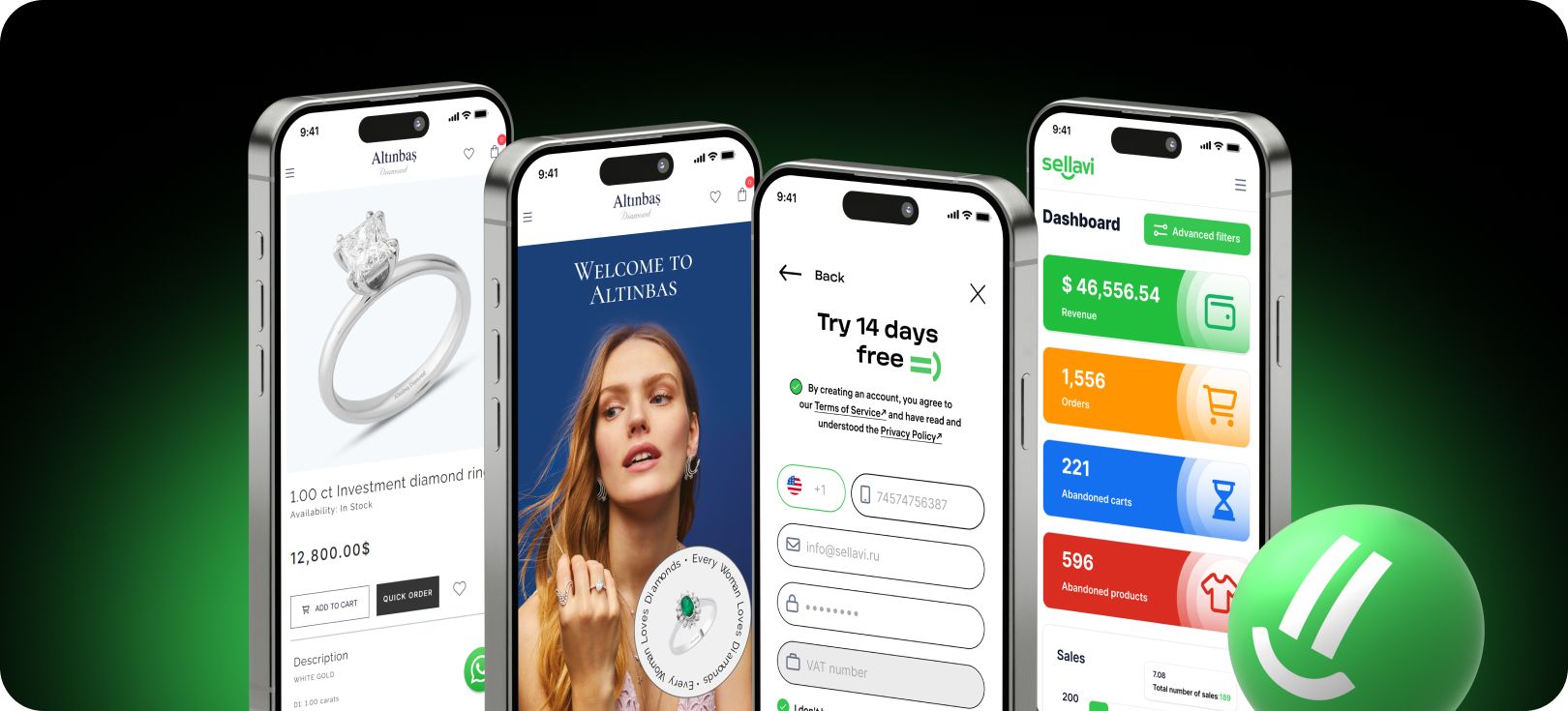
Having your own online store is one of the most effective ways to establish a long-term business. Unlike other selling methods, it gives you complete control over branding, pricing, customer experience, and marketing strategies. Platforms like Sellavi make it easy to create a professional, fully functional e-commerce store without technical expertise. Our platform offers you features such as integrated payment solutions, mobile optimization, and shipping integrations providing a seamless shopping experience for your customers. By running your own store, you are not bound by marketplace restrictions, and you can build a brand that customers trust.
Selling on marketplaces
Marketplaces like Amazon, eBay, and Etsy offer an easy way to start selling without setting up a website. However, while they provide instant access to a large audience, they also come with strict rules, high competition, and potential policy changes that can impact your business. Marketplace fees and listing restrictions can also eat into your profits. While marketplaces can be a great way to supplement your sales, relying solely on them can be risky due to their ever-changing policies and algorithms. A balanced approach is to use marketplaces to drive traffic while also building your independent store.
Social media shops
Facebook, Instagram, and TikTok offer built-in store functionalities that allow businesses to sell directly through their platforms. This can be a convenient way to reach customers who are already active on social media. However, depending solely on social media for sales means being at the mercy of algorithm changes and platform policies. Additionally, payment options may be limited, and visibility is often restricted to users of that particular platform. Social media shops work best when combined with an e-commerce store for a more comprehensive online presence.
Dropshipping
Dropshipping allows you to sell products without holding inventory. Instead, when a customer places an order, the supplier ships the product directly to them. This eliminates the need for warehousing and upfront inventory investment. However, since you have no control over product quality or shipping times, customer service can be challenging. Profit margins can also be lower due to supplier fees and competition. Dropshipping is a good option for beginners or those who want a low-risk entry into e-commerce, but it’s important to partner with reliable suppliers.
You can learn more about this business model here.
Affiliate marketing
Affiliate marketing involves promoting other companies' products and earning a commission for each sale made through your referral link. This business model requires strong marketing skills, as success depends on your ability to drive traffic and convert leads. While it requires minimal investment, affiliate marketing can take time to build a steady income stream. Choosing the right niche and working with reputable affiliate programs are key to success in this model.
Selling through a landing page
Instead of building a full e-commerce store, some businesses opt for a single-page website designed to sell one specific product or service. This method works well for limited product lines, promotional campaigns, or high-ticket items that require focused marketing efforts. However, selling through a landing page can limit scalability, making it less suitable for businesses looking to grow a diverse product catalog.

How do I start selling online?
Once you’ve decided on the best-selling method for your business, the next step is execution. Here’s how to get started:
Market research & preparation
Before launching your store, conduct thorough market research. Identify your target audience, analyze competitors, and determine product demand. Understanding customer preferences and industry trends will help you position your business effectively.
Set up your online store
The first step in setting up your online store is deciding what you want to showcase. Consider the type of products you will sell, the information you want to provide to customers, and how you will structure your site. This includes determining the number of product categories, designing an intuitive navigation system, and selecting a layout that aligns with your brand identity.
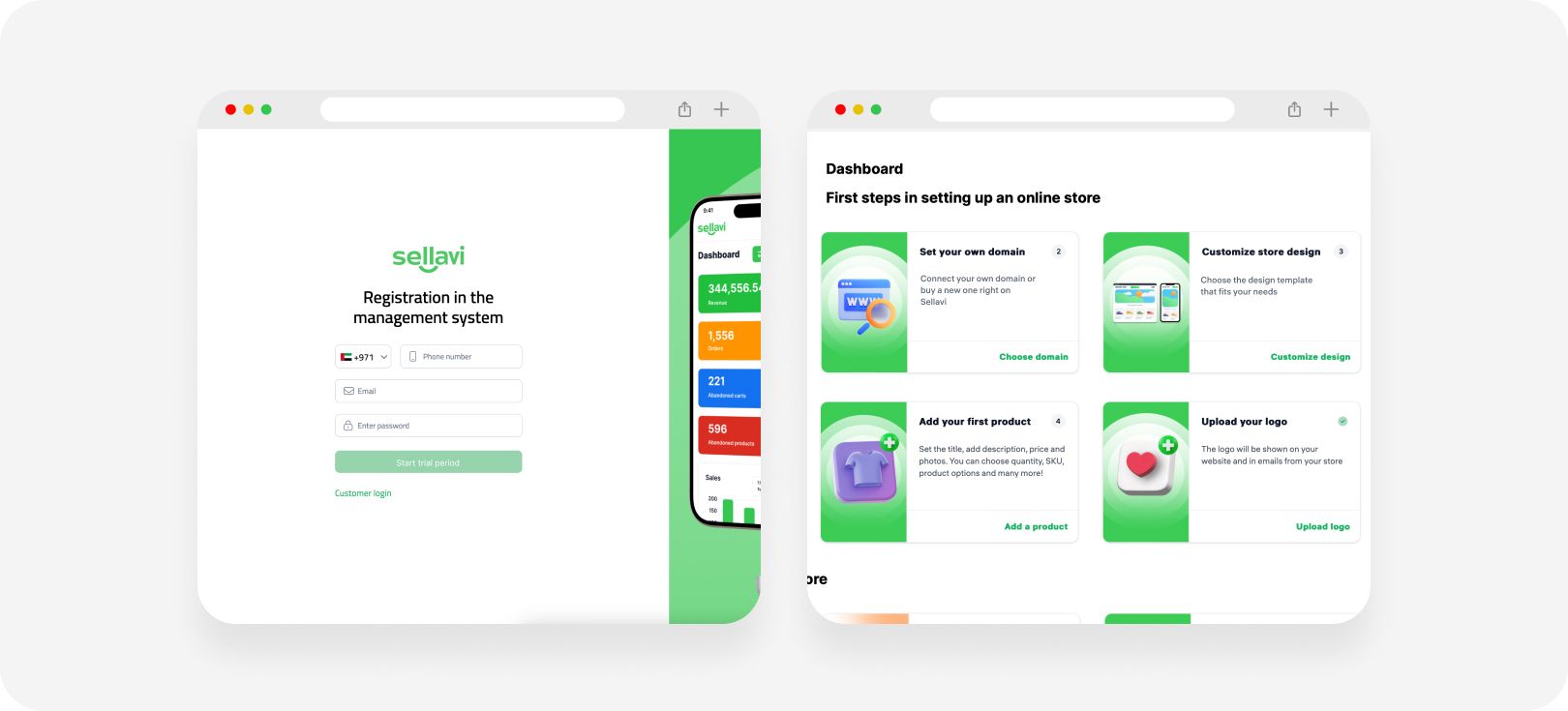
With Sellavi, this process is streamlined through professionally designed templates that cater to global e-commerce trends. Our easy-to-use module system allows you to customize your store effortlessly, much like assembling a Lego set. Whether you need an elegant storefront, a seamless checkout experience, or integrated marketing tools, Sellavi provides everything you need to launch a polished and professional e-commerce site.
Want proof? Check out our step-by-step guide on how to create your online store in just 15 minutes with Sellavi and see for yourself!
Upload products
Adding high-quality product images and well-crafted descriptions can significantly impact sales. Use clear, informative descriptions with relevant keywords to improve search visibility. Show multiple angles of each product, highlight key features, and provide accurate specifications to boost customer confidence.
Create essential store pages
Besides product pages, your store should include important sections such as Terms & Conditions, Shipping & Returns, FAQs, and a Contact page. These pages build trust and improve the customer experience by addressing common concerns upfront.
Set up payment & shipping options
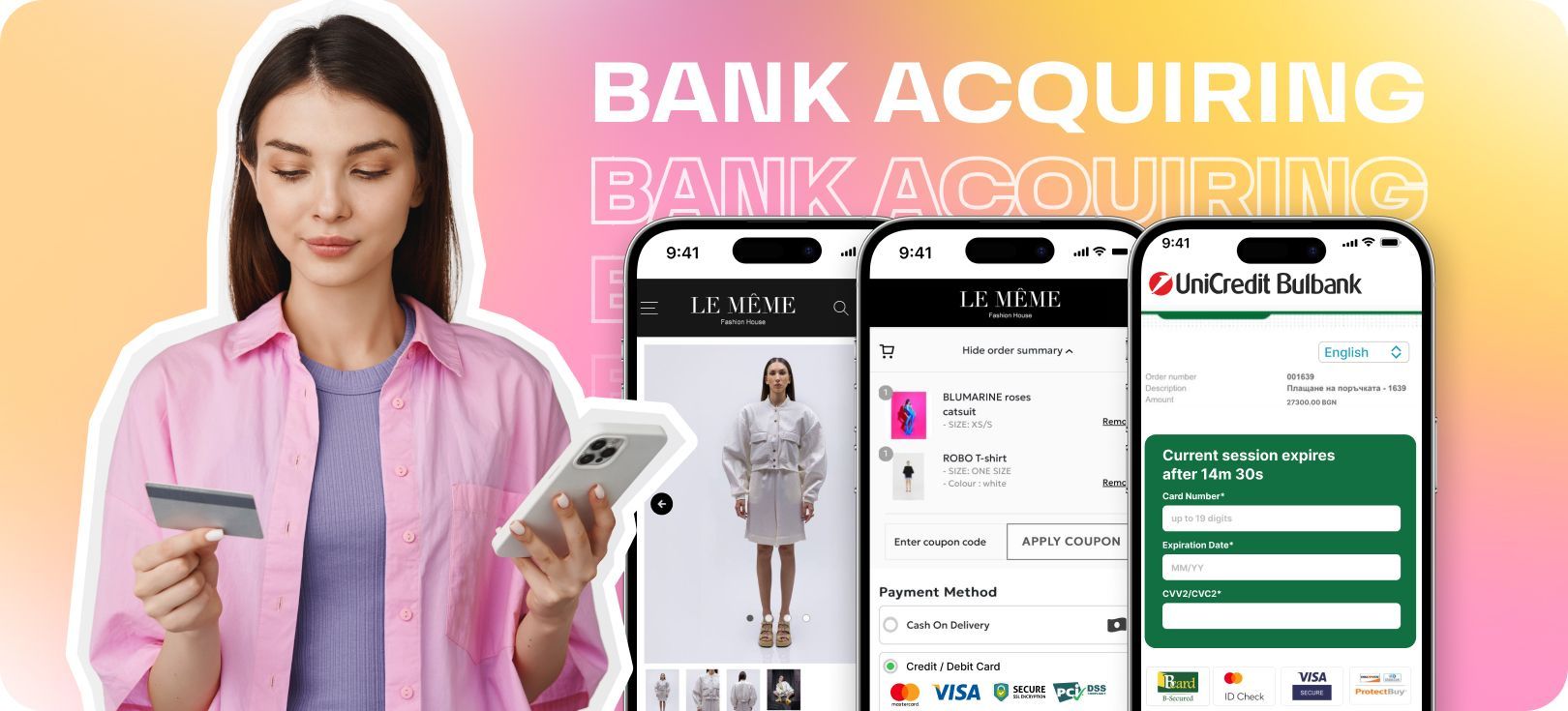
Choosing the right payment gateways and shipping partners is crucial for smooth transactions. Ensure your store supports multiple payment options such as credit/debit cards, PayPal, and digital wallets. Additionally, offer flexible shipping options and clear delivery timelines to enhance customer satisfaction.
Promote your store & drive traffic
Marketing is key to attracting visitors and converting them into customers. Use a combination of SEO, content marketing, email campaigns, and paid ads to maximize your store’s reach. Social media marketing and influencer collaborations can also help build brand awareness. An effective marketing strategy will ensure consistent traffic and sustained growth.

Conclusion
Starting an online business requires careful planning, but with the right approach, it can be highly rewarding. Whether you’re launching a small store or expanding an existing business, having a structured strategy will set you up for success. The Sellavi platform provides all the necessary tools to create, manage, and scale your online store seamlessly. With expert guidance and advanced features, you can confidently take your business online and start generating sales from day one.