Cross-selling, Upselling, and Downselling: what they are and how they can increase your online store profit?
Cross-selling, upselling, and downselling are among the simplest yet most effective methods for increasing an online business’s profit. While these techniques have become part of the DNA of e-commerce, many novice entrepreneurs still confuse them or hesitate to apply them systematically. Yet, when used thoughtfully, these strategies can transform the average shopping cart into a more profitable one and even improve customer satisfaction.
This article will help clear up any confusion. We will provide clear definitions of upselling, downselling, and cross-selling, illustrate how they work with real company examples, and offer practical tips for applying these models to your e-commerce website.
What is cross-selling?
Cross-selling is a technique designed to increase the customer’s cart value by suggesting related products that complement the chosen item. It doesn’t push the buyer toward something more expensive but encourages them to expand their purchase. Its goal is to raise the average order value by showing the customer how the original item fits into a bigger ecosystem.
Think about buying a smartphone. Without a case, screen protector, or earbuds, the experience feels incomplete. Cross-selling steps in to make sure the customer gets the most out of their main purchase while you benefit from a larger sale.
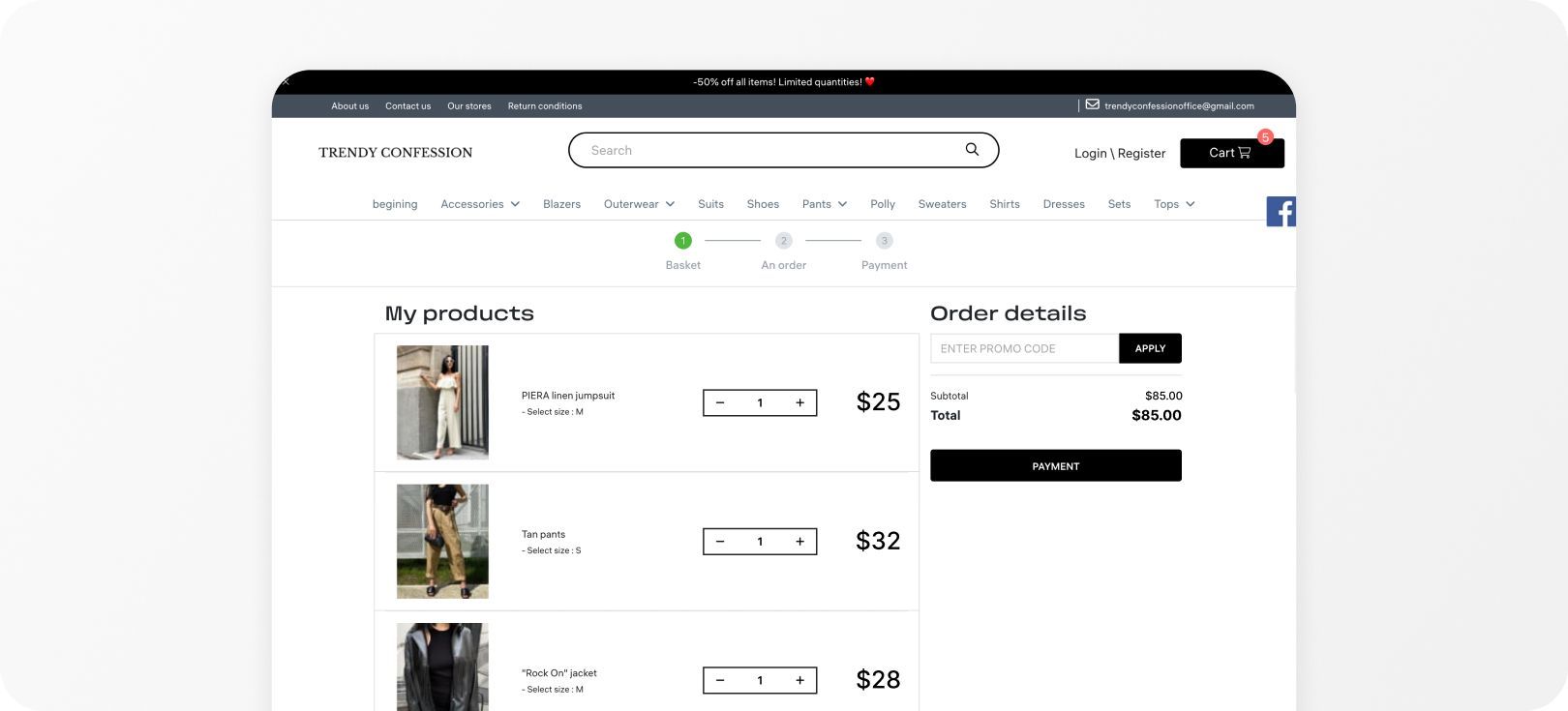
How to apply cross-selling
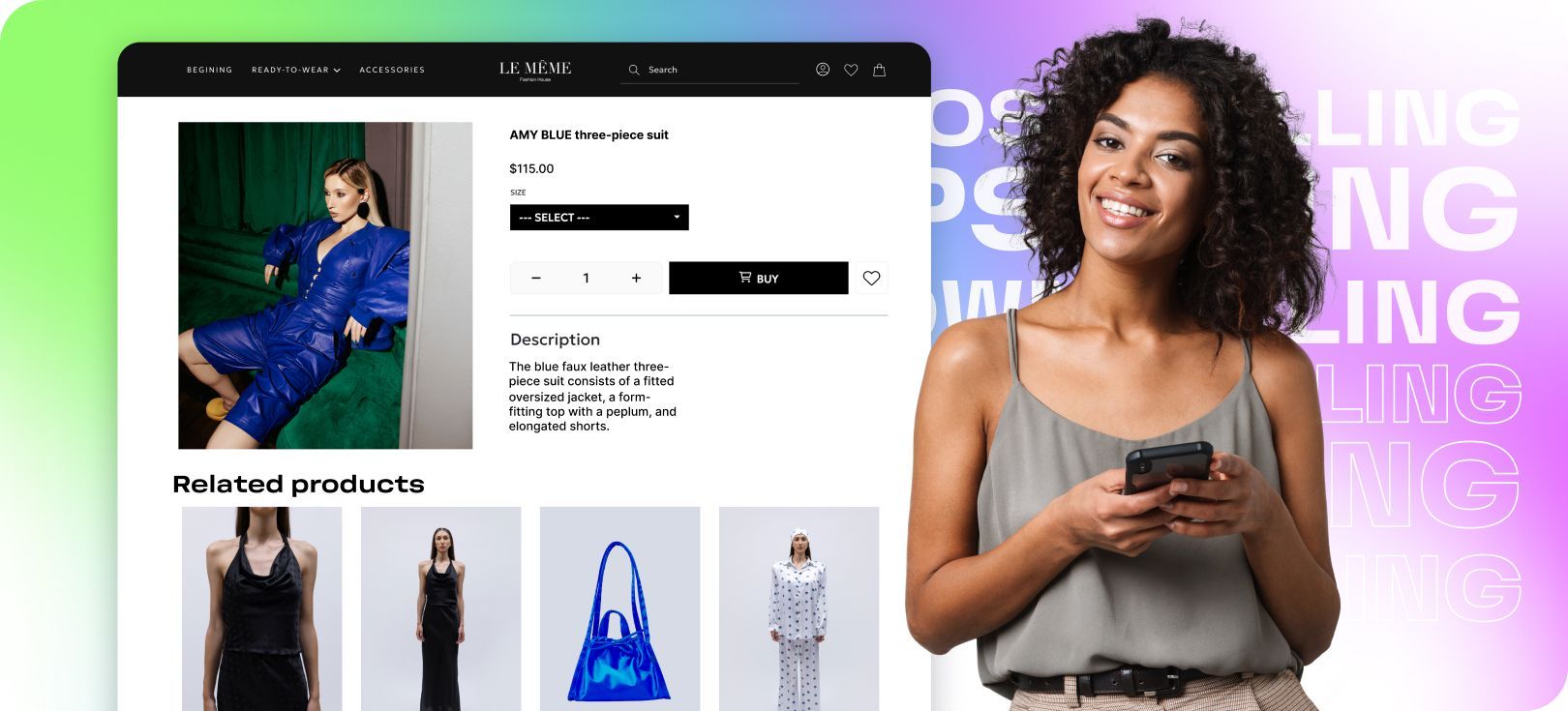
After creating an e-commerce website and filling product pages, you can immediately implement cross-selling techniques. Collections can be grouped by theme or customer need, ensuring buyers see the connection clearly. For example, “Complete the look” carousels in fashion stores or “Customers also bought” sections in electronics shops.
You can also:
- Bundle complementary items together and offer a slight discount.
- Mention related products in the main description: “This cream works best when paired with the cleanser from the same series.”
- Show relevant suggestions at checkout, when the customer is already motivated to purchase.
Real-world examples
Amazon is perhaps the most famous example: about 35% of its total revenue comes from cross-selling recommendations. Their algorithm doesn’t just suggest random items but analyzes what thousands of people tend to buy together.
Fashion retailer ASOS uses cross-selling through its “Complete the outfit” section, encouraging buyers not to stop at one clothing item but to see themselves in a full look. Sephora also integrates cross-selling brilliantly: when you add a skincare product, you’ll often see travel-sized serums, masks, or brushes appear as “must-haves to boost your results.”
In short, cross-selling isn’t about pushing products; it’s about curating a complete experience that feels natural and beneficial to the customer.
What is upselling?
Upselling is a sales technique that encourages a customer to purchase a more advanced or simply more expensive version of the product they initially chose. The idea is not just to “make them spend more” but to genuinely highlight better features, enhanced benefits, and long-term value. Upselling boosts both profitability and customer satisfaction if applied correctly.
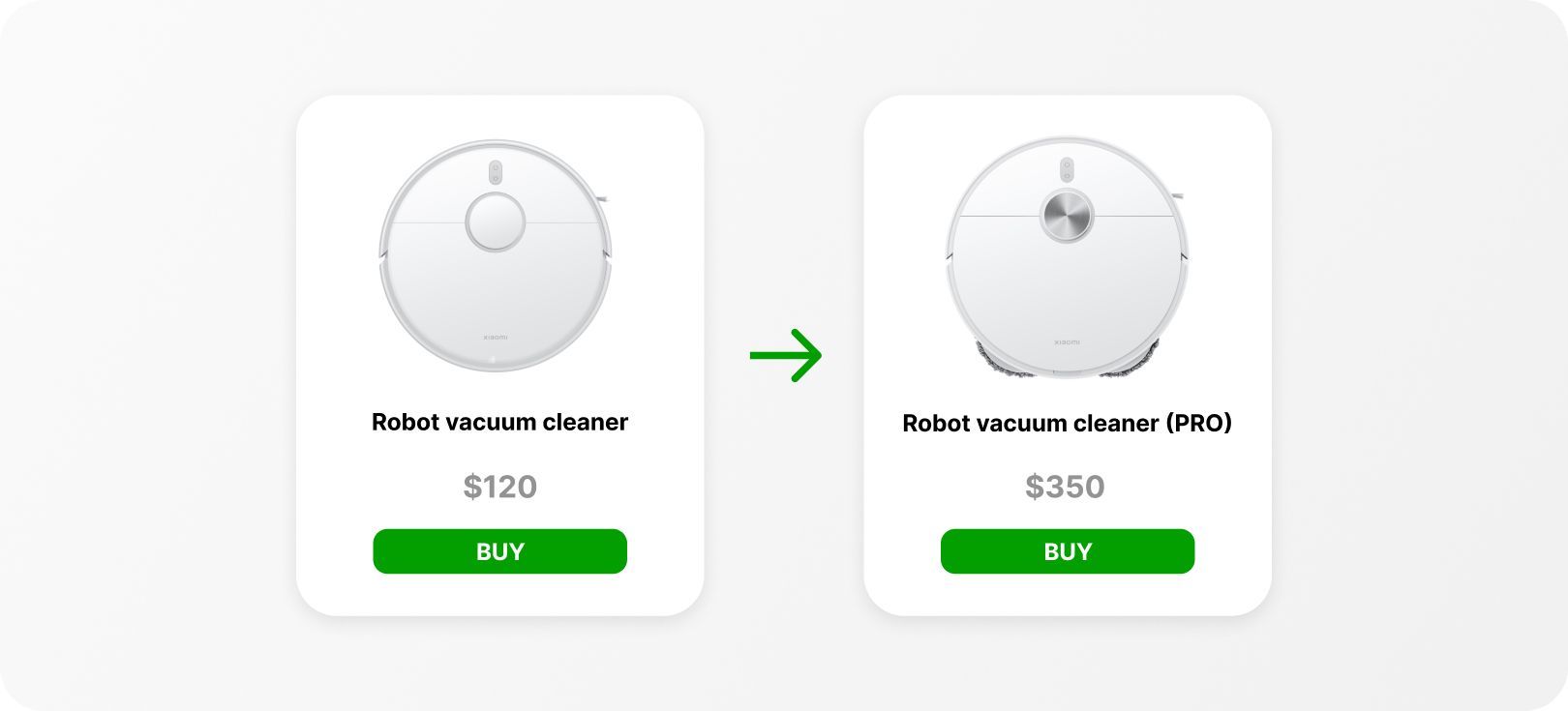
How to apply upselling
For effective upselling:
- Focus on benefits to the customer, not just the price.
- Highlight specific advantages of the upgrade (larger storage, longer battery, premium materials).
- Keep the alternative in a close price range, so it doesn’t feel like an entirely different category.
- Use gentle persuasion rather than pressure.
Real-world examples
Apple has perfected the art of upselling. When customers shop for an iPhone, Apple subtly guides them toward models with higher memory or additional features. The same goes for MacBooks, where a slightly better processor or larger SSD is presented as a logical long-term investment.
Netflix also upsells through its subscription plans. By clearly showing the difference between Standard and Premium packages—like 4K streaming and more simultaneous screens—Netflix makes the higher-tier option feel worth it.
In hospitality, upselling happens constantly. Hotels such as Marriott or Hilton often encourage guests to move from a standard room to a suite by offering perks like free breakfast or lounge access for a reasonable upgrade fee.
Upselling works best when the customer believes they are making a smarter, future-proof choice. Done right, it creates a win-win situation.
What is downselling?
Downselling is the opposite of upselling: instead of offering something more expensive, you present the customer with a lower-cost alternative to avoid losing the sale altogether. It directly addresses the most common objection—price.
Think of a shopper who loves a product but hesitates at checkout. Without downselling, they might leave empty-handed. With it, you can redirect them to a smaller, lighter, or budget-friendly version and still win the customer over.
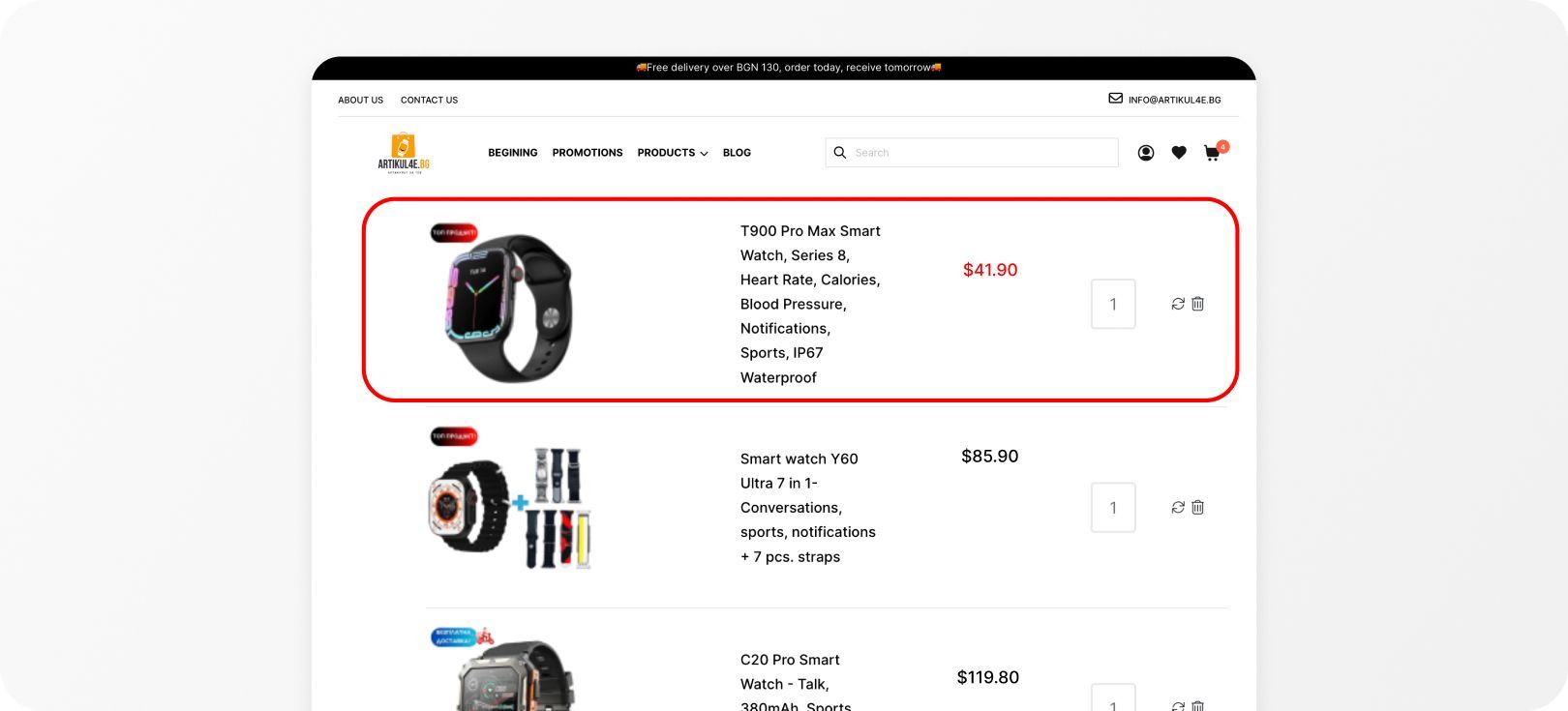
How to apply downselling
Downselling is not appropriate for every business model, especially in the luxury segment, where offering a cheaper alternative might hurt the brand image. But in mass retail and digital commerce, it’s a powerful way to keep potential buyers engaged.
Some practical approaches include:
- Offering trial or mini versions of popular products.
- Showing cheaper alternatives from the same product line.
- Activating exit-intent popups that display discounts or a simpler version of the product.
- Using tiered pricing strategies to make a mid-range option appear more appealing.
Real-world examples
Cosmetic brands like The Ordinary and Clinique often sell smaller “tester” versions of products, allowing hesitant buyers to try them before investing in the full-sized version.
Software companies also rely on downselling. Adobe, for instance, offers individual app subscriptions at a lower price for customers who might not commit to the full Creative Cloud bundle. Similarly, Spotify provides a free, ad-supported plan as a downsell to customers unwilling to pay for Premium—ensuring they still stay in the ecosystem.
In the fashion industry, Zara and H&M use downselling when showing a cheaper version of a trendy product alongside premium items. Even if the shopper doesn’t splurge on the higher-quality option, they still leave with something.
Downselling acknowledges customer hesitation and turns it into an opportunity rather than a lost sale.
Final thoughts
Cross-selling, upselling, and downselling are distinct strategies, but they share one purpose: to increase profitability while improving the customer’s experience. Each one addresses a different customer mindset—whether it’s about enriching their purchase, upgrading their choice, or finding a more affordable option.
These techniques can also be combined. A customer browsing laptops might be shown a premium version (upsell), a laptop bag (cross-sell), or a budget-friendly model (downsell). Together, these strategies ensure you engage with different customer types and minimize missed opportunities.
Ultimately, the key is balance. If recommendations feel pushy or irrelevant, customers may lose trust. But when your offers genuinely help them make a smarter, more complete purchase, you not only increase revenue but also build loyalty.
And the best part? Modern e-commerce platforms make it easier than ever to implement these strategies. For example, if you create an online store on the Sellavi website builder, you can build product collections and integrate upselling, cross-selling, or downselling blocks in just minutes. With the right setup, your store won’t just sell products—it will sell smarter.