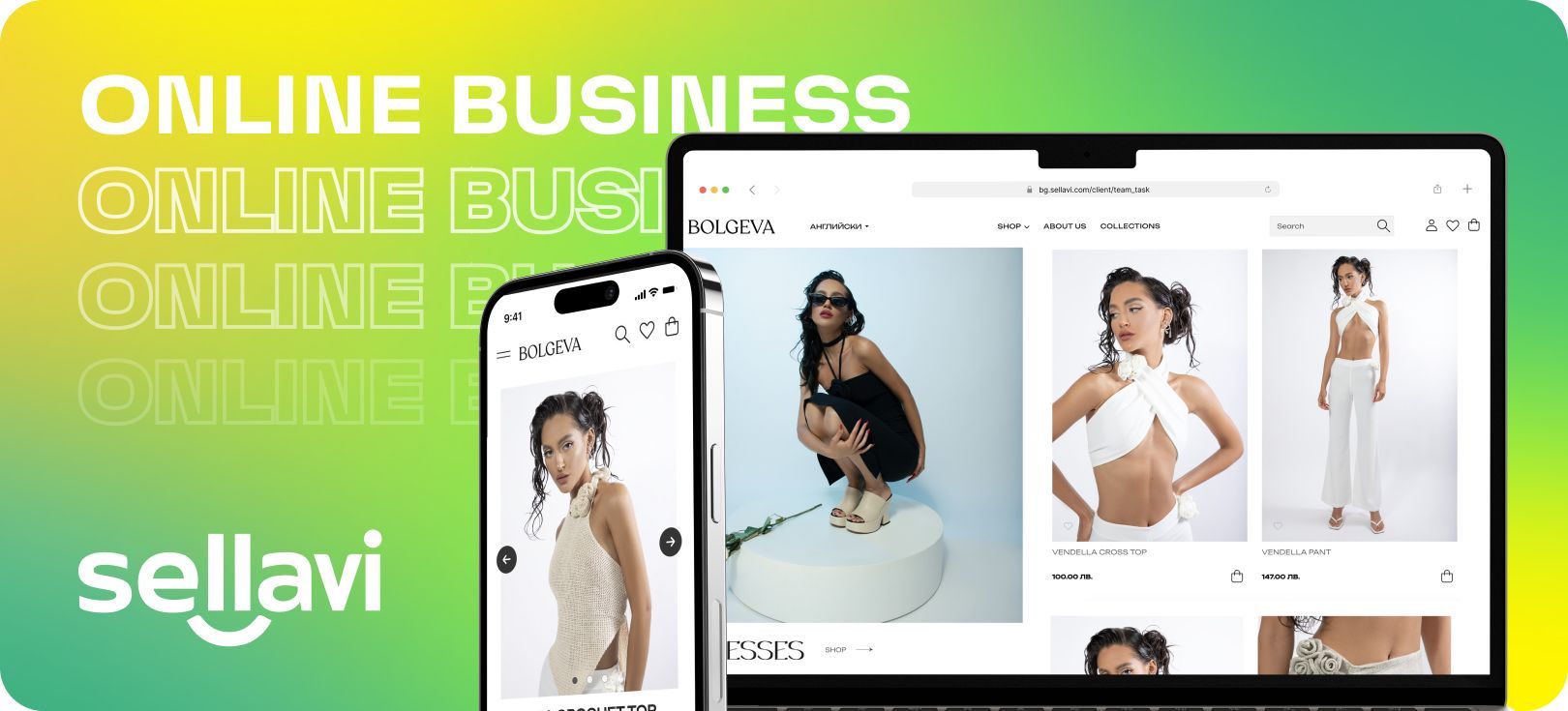
Mastering e-commerce sales: how to sell anything to anyone
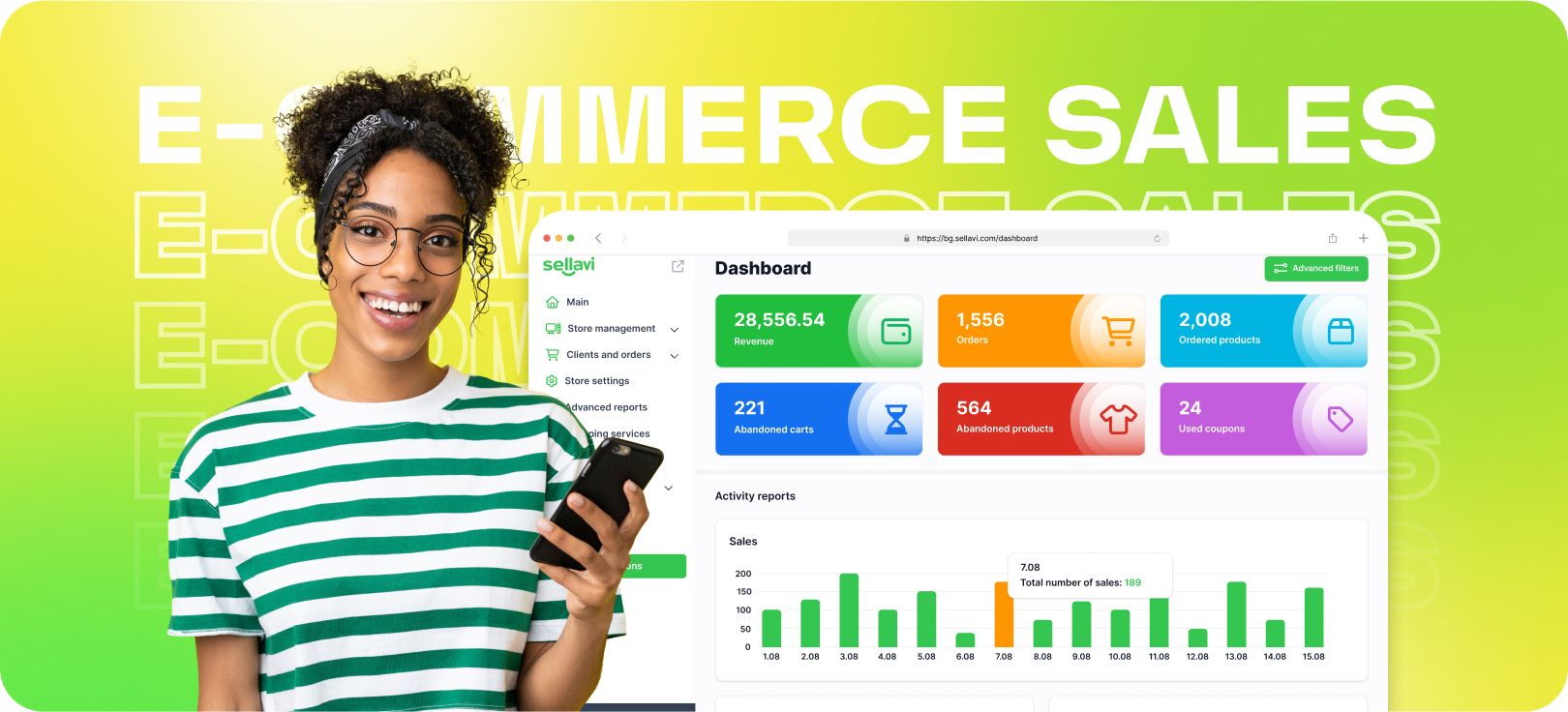
Embarking on the journey of e-commerce sales requires more than just a product and a platform. Even as great as Sellavi with dependable payment processing, user-friendly design templates, easy-to-use management tools, and free mobile optimization of your e-commerce website. It demands a profound understanding of your offerings and a keen insight into the diverse tapestry of your potential customers.
This guide will navigate you through five essential steps to empower you in selling anything to anyone in the ever-evolving landscape of e-commerce. Whether you're a seasoned entrepreneur or just starting, these principles will be your compass for effective online selling.
START SELLING
ON SELLAVI
Step 1. Master your product
Before diving into the world of e-commerce, thoroughly understand your product and its unique value proposition. Take the time to analyze the potential benefits, both objectively and subjectively, as perceived by your target audience. Beyond technical specifications, consider how your product fulfills emotional needs.
Leverage successful marketing campaigns that appeal not just to logic but also to emotions. Successful e-commerce sellers recognize that customers are not just buying a product; they are investing in an experience that aligns with their aspirations.

Step 2. Know your customer
Understanding your customer is as crucial as understanding your product. Dive deep into your customer's needs, desires, and circumstances. Conduct thorough research using various sources, including social media platforms, press releases, and blogs.
To avoid gaps in knowledge while performing comprehensive research, pose thoughtful questions during conversations, such as:
- “What are the most important features for you?”
- “How should this product make you feel?”
- “How is the issue impacting your organization?"
- "What do your customers think?"
- "What are you currently doing to address the problem?"
- "In a perfect world, what would you like to see happen with this?"
- "Can you give me an example?"
While having a set of prepared questions is beneficial, it’s unnecessary to adhere to them word for word if the discussion deviates. Expressing authentic curiosity helps individuals feel more at ease around you, as people generally enjoy discussing their experiences.
Finally, tailor your approach to different personality types, such as Drivers, Amiables, Expressives, and Analytics, by understanding their preferences. Ensure this valuable information is recorded in your CRM system for accessible reference across your entire team. This practice avoids redundancy in questioning the buyer and facilitates a smoother and more personalized engagement.
Step 3. Present your product as part of your customer’s ideal lifestyle
Tap into the emotional aspects of your customer's desires by presenting your product as an integral part of their ideal lifestyle. Understand the common goals they seek, such as success, comfort, and admiration. Craft a sales pitch that highlights how your product aligns with these aspirations.
Recognizing four main personality types — Driver, Amiable, Expressive, and Analytical — helps customize your communication strategy. Drivers focus on results and outcomes, Amiable individuals are intrigued by innovative concepts and overarching perspectives, Expressive personalities enjoy learning about people and the impact of ideas, and Analytical types seek factual information, statistics, and data.
Adapting your messaging and presentation to align with your prospect's personality type ensures a more effective and personalized communication approach.

Step 4. Wrap up the deal
Closing a deal involves more than just completing an online store transaction or signing a lease agreement. It requires an understanding of emotional decision-making.
Appeal to the prospect's emotions, incorporating feelings like greed, fear, altruism, envy, pride, and shame into your sales messages, presentations, and meetings. Certain negative emotions should be avoided to prevent potential customers from associating them with either yourself or your organization.
For effective emotional appeals, use a gentle approach to concentrate on one or two emotions that strongly resonate with your audience.
Share customer stories that evoke positive emotions, creating an experience that potential buyers desire for themselves. Understand that emotions play a pivotal role in decision-making, and by selling not just a product but a feeling, you can influence purchasing decisions effectively.
Step 5. Don’t forget to follow up
The sales journey doesn't end with a successful transaction. Cultivate professional relationships beyond the initial sale by seeking feedback from customers. Offer incentives, such as special discounts or exclusive offers, to encourage them to return.
Remember, your customers are human beings, deserving respect and personalization. Approach them with messages you would appreciate receiving, and occasionally steer the conversation toward personal topics. Building genuine connections goes beyond the transaction, fostering long-term relationships that contribute to the success of your e-commerce business.

In conclusion, mastering e-commerce sales involves a holistic approach that combines a deep understanding of your product, a comprehensive grasp of your customer, and an ability to appeal to emotions throughout the sales journey. By following these five steps, you'll not only sell products but also create lasting connections that contribute to the sustained success of your e-commerce venture.