Product concept: beginners guide
The success of a new product hinges on its ability to meet the needs and desires of its target audience. To accomplish this, entrepreneurs rely on a product concept — a strategic blueprint that guides development, marketing, and sales.
This article will delve into product concept development, exploring its definition, traits, and the steps involved in creating a successful one. We will also provide you with the product concept statement elements and an example that will help you visualize the result of your future work.
What is product concept?
A product concept, often referred to as a concept statement is a detailed vision of a new product or service, conceived early in the product lifecycle, that outlines the product's essence, purpose, and potential impact.
It is created well before any design or engineering begins, drawing from market research, customer insights, product features, product-market fit, and cost considerations to shape the concept.
The last part of the product concept is the product concept statement. It outlines the product’s strategy, vision, purpose, and how it will deliver value both to the customers and the business.
Product concept can be divided into two types:
- Original product concept — refers to a product that stands out as entirely new or groundbreaking in the market. It introduces features or innovations that haven’t been seen before, like the launch of the first smartphones or electric vehicles, which offered unprecedented functionality and redefined their respective industries.
- Augmented product concept — builds upon an existing product by incorporating new features or design enhancements. This type of concept enhances the core offering, much like updated versions of smartphones or electric vehicles, which evolve with added improvements or innovative upgrades.

Advantages of product concepts
- Clarifies product vision: Provides a clear understanding of the product's purpose, guiding development teams and maintaining strategic direction.
- Facilitates communication: Creates a shared reference point, fostering clear and consistent communication across teams.
- Promotes brand consistency: Ensures a unified message and experience across all channels, reinforcing brand identity.
- Focuses execution: Helps prioritize initiatives and allocate resources effectively, avoiding distractions and scope creep.
- Future-proofs business: Understanding core customer needs builds a foundation for long-term growth, allowing for adaptation to shifting market trends.
Disadvantages of product concepts
- Market misalignment: If not regularly validated, product concepts can become outdated and fail to meet evolving customer needs.
- Resource intensive: Developing and testing product concepts requires significant time, effort, and financial investment.
- Feature overemphasis: Focusing excessively on features can overshadow solving customer problems, hindering user experience and usability.
- Stifling innovation: Overly adhering to the initial concept can limit opportunities for new ideas and pivots that better serve customers.
How to create a winning product concept
Crafting a successful product concept requires thorough planning, research, and strategic thinking. Follow these steps to guide you:
1. Identify the problem or need
Start with comprehensive market research to uncover your target market's pain points, needs, and behaviors. Use methods such as surveys, interviews, and focus groups, or analyze existing data. Study your competitors’ products, marketing strategies, and customer feedback to pinpoint gaps and opportunities for differentiation. Speaking directly to potential customers will provide valuable insights, helping you create buyer personas that highlight the most relevant product features for future marketing.

2. Define the product
Establish the core features and functionalities of your product while identifying additional features that can elevate its value proposition. Clearly communicate the benefits the product offers, solving specific customer needs and desires. Highlight how the product will deliver value, whether by saving time, reducing costs, simplifying tasks, or improving the overall user experience.
3. Identify the target market
Specify your ideal customer based on demographic factors like age, gender, income, occupation, and location. Understand their lifestyle, interests, values, and buying habits. This information will help you tailor your product to meet their expectations and resonate with their decision-making process.
4. Develop a unique selling proposition (USP)
Pinpoint what sets your product apart from competitors. Your USP could be a standout feature, superior benefit, competitive pricing, or a strong brand reputation. Emphasize the primary advantage that differentiates your product and appeals most to your target market. Ensure the USP is communicated clearly, concisely, and compellingly to capture attention and convey the product's value.
5. Determine product positioning
Decide how you want your product to be perceived in the marketplace — whether it's premium, affordable, innovative, or reliable. Establish where it fits compared to competitors, whether as a market leader, niche player, or value brand. Develop messaging that aligns with this positioning and effectively communicates the product's value to your target audience.
6. Craft a manufacturing plan
Try to detail how the product will be manufactured at scale, including information about supply chains, production equipment, shipping logistics, and labor requirements. Ensure the plan is profitable and scalable as the product gains traction in the market.
7. Estimate pricing
Set a price point that balances production costs, profit margins, and customer willingness to pay. Take into account market demand, competitor pricing, and your target customers’ price sensitivity to find a sweet spot that drives sales while maintaining profitability.
8. Validate the concept
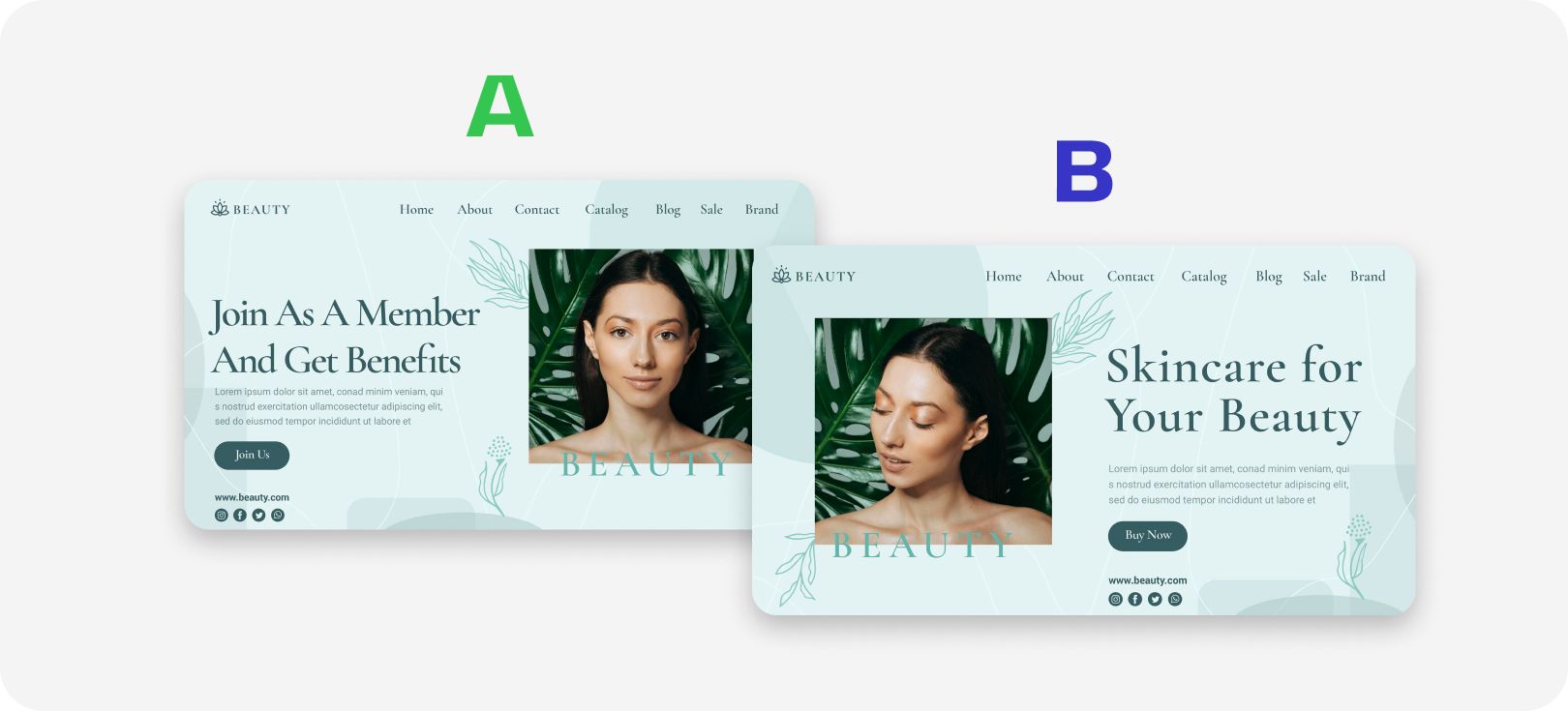
Test your product concept through A/B testing or a pilot program. Gather data on customer reactions, market demand, and sales potential. Collect feedback from potential customers to assess their interest, perceived value, and likelihood of purchasing the product.
By following these steps, you can effectively shape a product concept that resonates with your target market and stands out in a competitive landscape.
Compelling product concept statement: essential elements
A strong product concept is the cornerstone of a successful product launch. It requires a careful consideration of several key elements:
- Product summary: Clearly outline the product's innovative features, whether it's a groundbreaking new design or an iterative improvement on an existing model.
- Technical specifications: Provide a detailed list of technical aspects, such as measurements and materials, to guide the design and production teams.
- Use cases: Delve into the product's functional value. Leverage market research to articulate how it addresses customer needs and drives long-term satisfaction.
- Target market: Define the ideal customer who will benefit most from the product. Creating a buyer persona can help visualize and understand this target audience.
- Unique value proposition: Clearly articulate what sets your product apart from competitors. This should be a compelling reason for customers to choose your product over alternatives.
- Manufacturing strategy: Outline a preliminary plan for producing the product at scale, considering options like handcrafted, mass production, or a hybrid approach.
- Pricing strategy: Propose a price point that balances expected production costs with customer price sensitivity.
- Brand alignment: Ensure the new product aligns with your company's values and brand image to maintain a consistent and cohesive brand identity.
Example of a product concept statement:
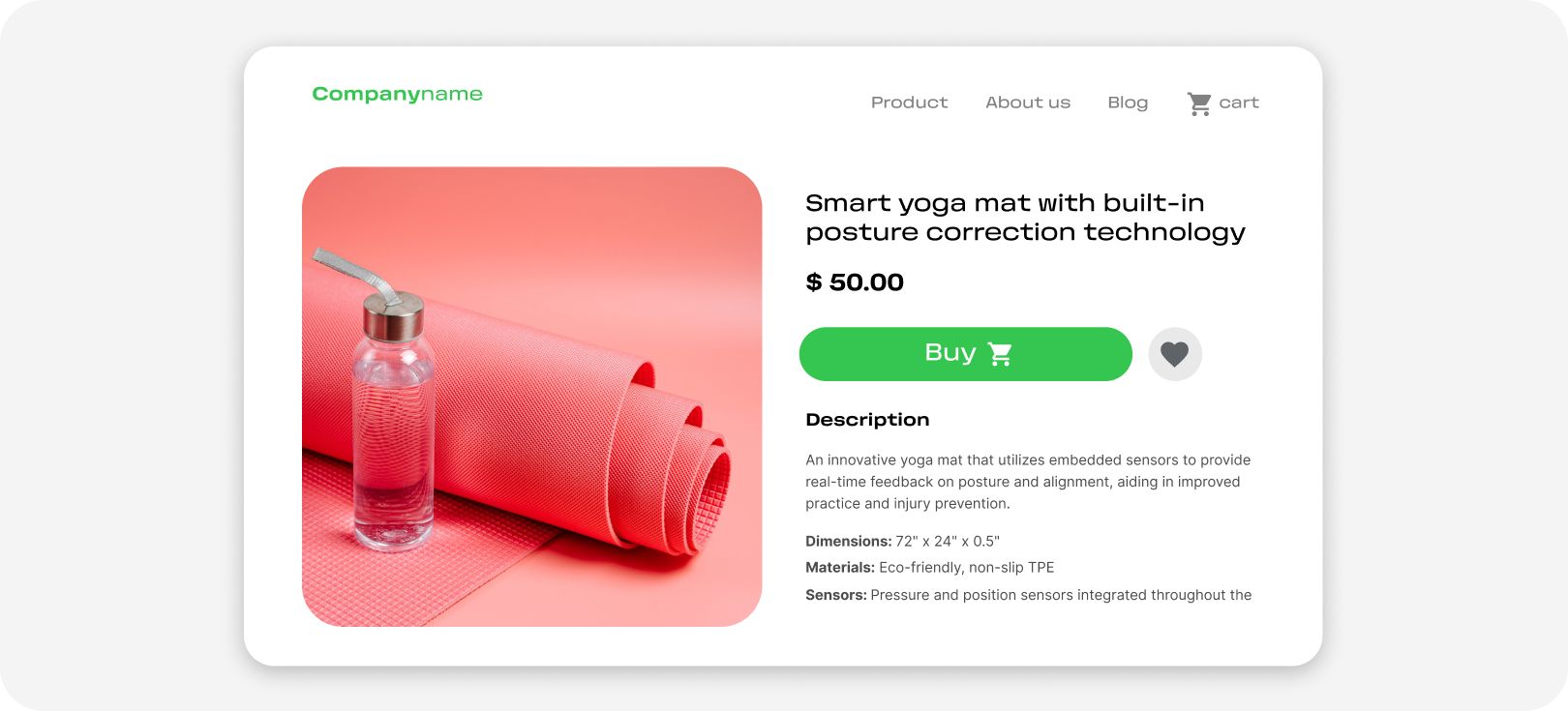
- Product: Smart yoga mat with built-in posture correction technology
- Product summary: An innovative yoga mat that utilizes embedded sensors to provide real-time feedback on posture and alignment, aiding in improved practice and injury prevention.
- Technical specifications: Dimensions: 72" x 24" x 0.5" / Materials: Eco-friendly, non-slip TPE / Sensors: Pressure and position sensors integrated throughout the mat.
- Use cases: Provides real-time feedback on posture and alignment, tracks progress over time, offers guided routines with visual cues for improved form.
- Target market: Fitness enthusiasts and yoga practitioners of all experience levels seeking to enhance their practice, improve form, and prevent injuries.
- USP: The first yoga mat with integrated posture correction technology, offering a personalized and data-driven approach to yoga practice.
- Manufacturing strategy: Mass production by “NAME”.
- Pricing strategy: $50.
After diving into the definition, features, and the steps to create a strong product concept, we hope you now have a clearer understanding of how it can enhance your business.
A strong product concept goes beyond simply creating a good product — it helps align your product strategy with your overall business goals. By achieving this alignment, you'll set your business on a path to greater strength and success.