Upstream and downstream marketing: difference and benefits for your online store
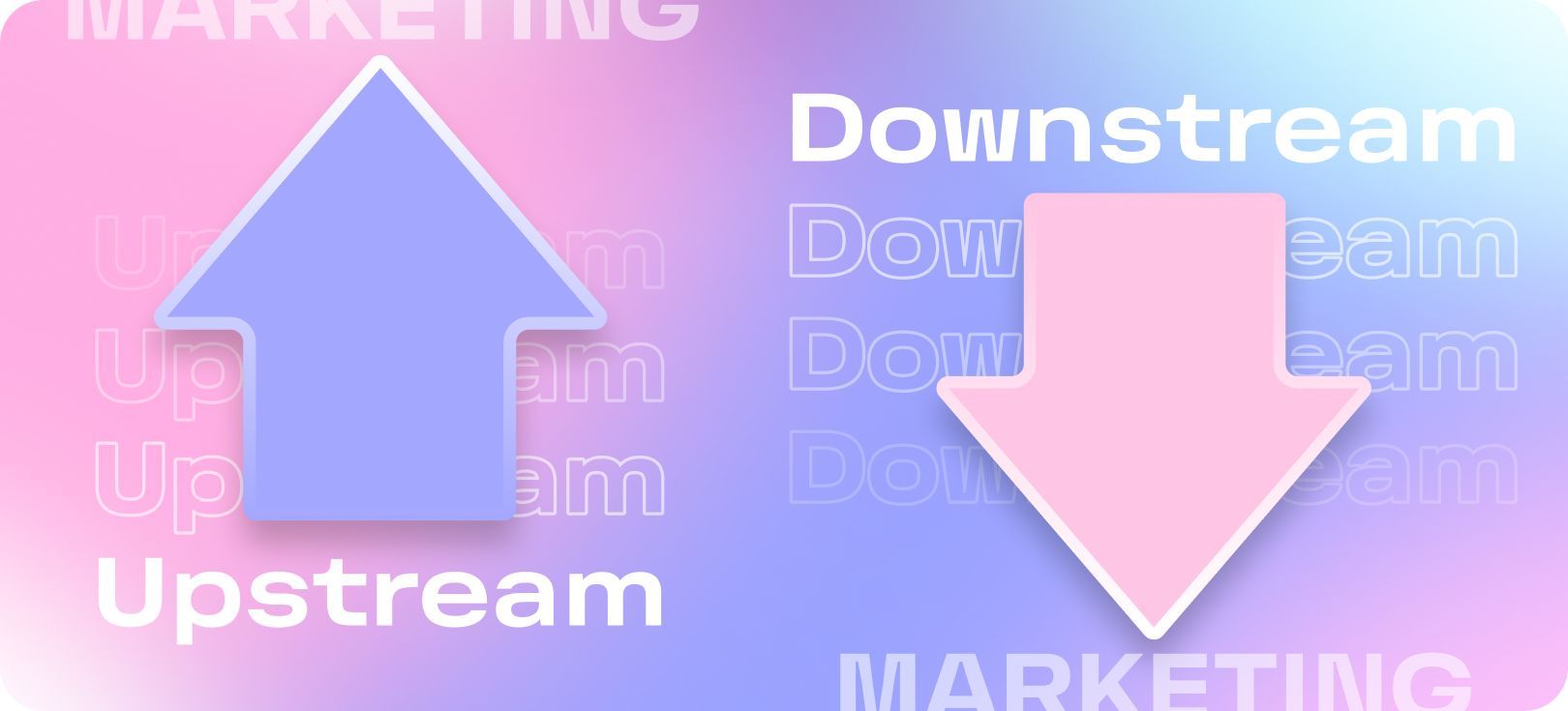
In the ever-evolving landscape of e-commerce, the journey from attracting a potential buyer to turning them into a loyal customer is anything but simple. Every click, every impression, and every interaction shapes how people perceive your store and whether they choose to trust it. Two fundamental marketing approaches drive this journey from opposite but complementary directions: upstream marketing and downstream marketing. When they work together, they create a powerful system that helps online stores grow not just quickly, but sustainably.
Understanding how these two strategies differ, how they interact, and how each one contributes to long-term profitability can be the difference between an average online shop and a truly strong digital brand.
Upstream marketing: shaping how the market sees you
Upstream marketing focuses on everything that happens before a customer even thinks about clicking the “Buy” button. It deals with how your brand is positioned in the market, what story it tells, and why people should care about it in the first place. In simple terms, upstream marketing is about creating the conditions that make sales possible later.
At its core, upstream marketing is the strategic planning and execution of activities that influence how your brand, products, and values are perceived. This includes defining who you are, who you serve, and what makes you different from the hundreds of similar stores competing for attention.
One of the most important pillars of upstream marketing is brand building. A strong brand is not just a logo or a color palette. It is a promise, a personality, and a set of values that customers can recognize and trust. When people think of Apple, they associate it with innovation and design. When they think of Nike, they think of performance and motivation. This emotional and psychological connection is created long before a purchase ever happens, and it is the result of consistent upstream marketing.
Market research is another critical element. Before launching products, setting prices, or choosing a tone of voice, successful online stores invest time in understanding their audience. This means identifying customer needs, frustrations, purchasing habits, and expectations. It also means studying competitors to find gaps in the market and opportunities to stand out. Upstream marketing ensures that your products and messages are not built on assumptions, but on real data.
Content strategy also lives in the upstream world. Educational blog posts, inspirational social media content, brand storytelling, videos, and thought leadership all serve to introduce your brand to potential customers. Even if someone is not ready to buy today, this content plants a seed. Over time, it builds familiarity and trust, which makes future conversion much more likely.
The benefits of upstream marketing are deeply rooted in long-term growth. A strong brand identity makes your store recognizable and memorable, which leads to higher trust and stronger loyalty. Customers are far more willing to buy from a brand they already know and respect. It also gives you a competitive advantage, because when your brand stands for something clear and meaningful, you are no longer just another store selling products — you become a preferred choice. Perhaps most importantly, upstream marketing continues to pay off over time. The reputation you build today keeps working for you tomorrow, next month, and next year.
Downstream marketing: turning interest into revenue
While upstream marketing creates awareness and desire, downstream marketing is where that interest is transformed into action. Downstream marketing focuses on everything that happens after your product is available and a customer is already interacting with your store. Its main goal is to guide people through the buying process, increase conversion rates, and maximize the value of every visitor.
Downstream marketing is heavily focused on conversion optimization. This includes how your products are presented, how easy it is to navigate your site, how fast pages load, and how clear your calls to action are. Even small details, such as product descriptions, reviews, and checkout design, can significantly influence whether a visitor becomes a paying customer.
Customer engagement is another essential element. Once someone has shown interest or made a purchase, downstream marketing keeps the relationship alive. Email campaigns, personalized recommendations, loyalty programs, retargeting ads, and social media interactions all help maintain a connection with the customer. The goal is not only to sell once, but to encourage repeat purchases and long-term loyalty.
Downstream marketing also relies heavily on feedback. Reviews, customer support conversations, ratings, and surveys provide real-time insight into what people like and what needs improvement. This information can be used to fine-tune product offerings, improve user experience, and adjust promotional strategies, making the store more effective over time.
The benefits of downstream marketing are often immediate and measurable. It directly influences revenue by increasing sales, boosting average order value, and improving customer retention. It also allows online stores to be highly adaptable. If a promotion is not working or a product page underperforms, changes can be made quickly based on real data and customer behavior.
How upstream and downstream marketing work together
Although upstream and downstream marketing operate at different stages of the customer journey, they are most powerful when they are aligned. Upstream efforts create expectations and shape how customers feel about your brand, while downstream efforts fulfill or exceed those expectations through real experiences.
When your brand message, values, and positioning are consistent from the first ad or blog post to the final checkout page, customers feel confident and understood. Data plays a vital role here. Insights from downstream interactions, such as which products sell best or which emails get the most clicks, can be used to refine upstream strategies like branding, messaging, and content direction. This creates a continuous loop of improvement.
Agility is another key advantage of this harmony. Market trends, customer preferences, and technology change quickly. By using upstream research and downstream performance data together, online stores can adapt faster and stay relevant in a competitive environment.

Building a stronger online store with the right tools
In the complex world of e-commerce, upstream and downstream marketing are not opposing forces. They are two sides of the same system, each supporting and strengthening the other. When you invest in both brand building and conversion-driven tactics, you create a balanced strategy that attracts, converts, and retains customers more effectively.
To make this work in practice, your e-commerce platform must support both sides of the equation. You need tools for content, branding, and SEO to fuel upstream marketing, as well as analytics, email automation, product management, and mobile optimization to power downstream performance. The Sellavi platform brings all of these elements together in one place, helping online stores grow strategically and sustainably. Explore its full potential by starting with a free trial and see how the right foundation can elevate both your marketing and your sales.