10 tips for creating a successful online store

No market moves faster than the digital one. Starting an online store is an exciting venture, but making it successful requires careful planning, smart decision-making, and continuous improvement. Whether you're a beginner or already have some experience in e-commerce, these 10 tips will help you build and grow a thriving online business.
1. Your online store is your brand
When creating a successful online store, you are also building a brand. To establish a business with long-term success, you must think about branding from the very beginning.
Branding goes beyond just your logo and website colors — it encompasses your values, mission, and the overall experience you offer customers. A strong brand presence makes your store recognizable and memorable, creating trust and loyalty among customers.
If you’re selling in a niche market, you should aim to become an authority in your field. This doesn’t happen overnight, but consistency in messaging, quality content, and outstanding customer service will help solidify your position in the market.
2. Cross-selling
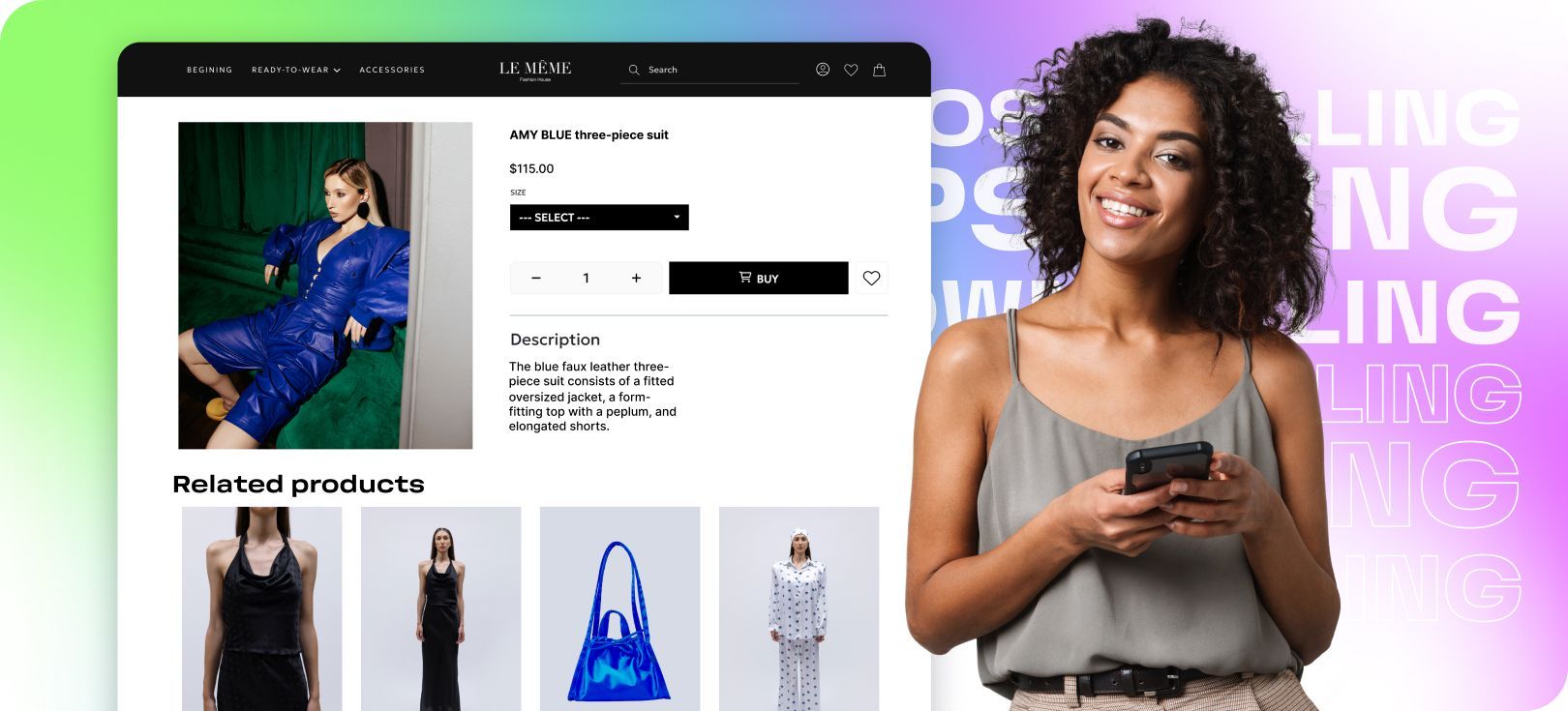
Selling a product that a customer is already searching for is one thing; selling additional, complementary products is another. E-commerce giants like Amazon have perfected the art of cross-selling by offering related or frequently bought-together items. Implementing this strategy in your own store can significantly boost revenue.
For example, if a customer buys a camera, suggest accessories like tripods, memory cards, or camera bags. Personalized recommendations based on browsing history or previous purchases can also be highly effective. Well-placed product suggestions throughout the shopping experience encourage customers to buy more, ultimately increasing the average order value.
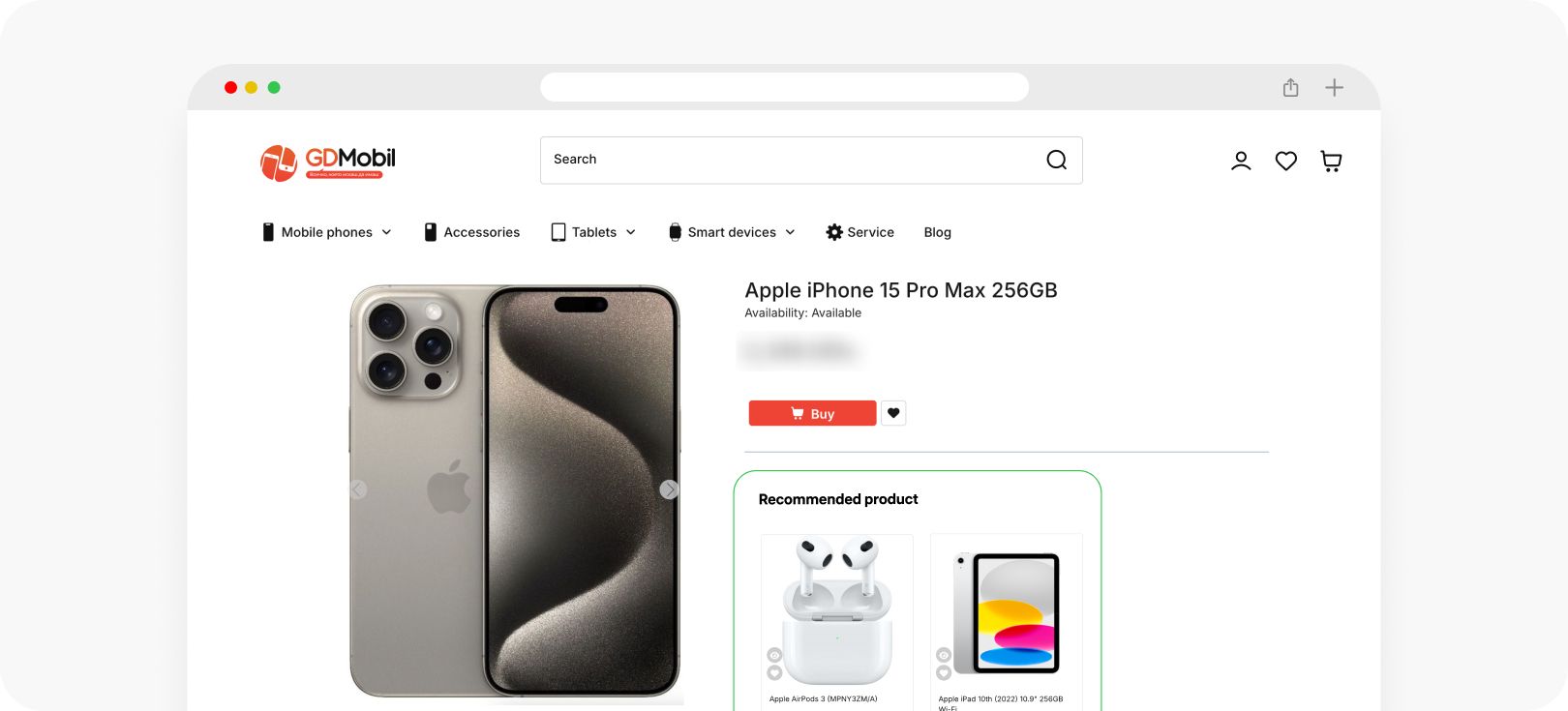
The Sellavi online store platform makes cross-selling incredibly easy. With just two clicks, you can add "Recommended products" to any product card, instantly drawing buyers’ attention to complementary items still available for purchase. And if you sell products that naturally go together — like an iPhone and an Apple Music subscription — you can activate the "Complementary products" extension. This allows you to bundle items into a convenient package, increasing both sales and customer satisfaction.
3. Offer multiple payment options
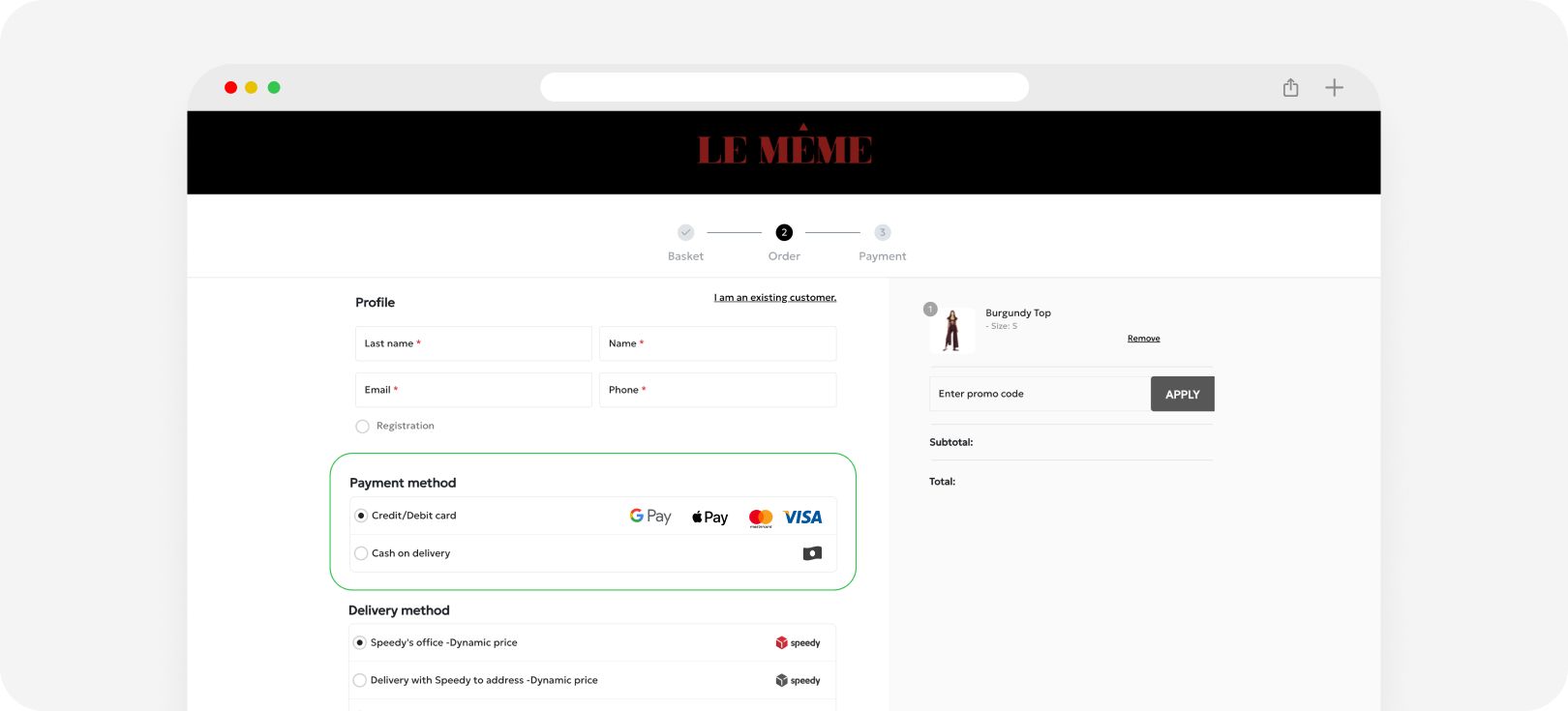
Not every customer has access to a credit card, which is why offering multiple payment options is crucial. If your store only supports one or two payment methods, you risk losing potential buyers who prefer other options. Customers may leave your site and purchase elsewhere if their preferred payment method isn't available. To prevent this, various payment options such as credit and debit cards, PayPal, Apple Pay, Google Pay, and even Buy Now, Pay Later (BNPL) services should be provided. The easier you make it for customers to complete their purchases, the lower your cart abandonment rates will be.
Managing online payments on Sellavi is effortless. We’ve already partnered with the leading bank in your country to provide seamless online acquiring services. Once you register, all you need to do is submit an application directly through our platform. Within a few days, the bank will review and approve your request, allowing you to start accepting payments immediately. No need for time-consuming bank visits or negotiations — everything has been set up in advance, so you can focus on selling.
4. Don’t forget about SEO
Paid ads are a fantastic way to generate traffic in the early stages of your e-commerce journey. However, you should never overlook the power of search engine optimization (SEO). Unlike paid ads, which stop driving traffic once you stop paying, SEO provides sustainable, long-term visibility for your store.
Optimizing your product pages, blog content, and category pages with relevant keywords helps improve your search rankings. Start by conducting keyword research to understand what potential customers are searching for. Additionally, writing high-quality product descriptions, improving site speed, and securing backlinks can boost your organic traffic. While SEO takes time to show results, the earlier you start, the better your chances of long-term success.
You can learn more about SEO in our basic guide right here.
5. Build trust
If you’re just starting out, you need to establish credibility. Customers may hesitate to buy from a new store without any reviews or proof of legitimacy. Trust-building strategies include publishing detailed product descriptions, displaying authentic customer reviews, offering guarantees or hassle-free return policies, and showcasing security badges. Blogs, email marketing, and limited-time discounts can also help reassure customers. Moreover, repeated exposure to your brand through social media ads and retargeting campaigns can reinforce trust, making potential buyers more comfortable purchasing from your store.
To learn more about how to start selling from day one, dive into this article.
6. All legal and tax issues should be clarified before starting to sell online
The opportunity to start selling online sounds straightforward, but failing to address legal and tax requirements can lead to costly mistakes. Ignoring regulations could result in fines, lawsuits, or even business closure.
Before launching, ensure compliance with local and international tax laws, including VAT or GST obligations if selling globally. If operating within the EU, familiarize yourself with One Stop Shop (OSS) regulations. Additionally, protect your business by clearly outlining your terms and conditions, privacy policies, and return/refund policies on your website. Consulting with a legal expert early on can prevent headaches later.
7. Visibility on social media
Social media isn’t just about posting pictures; it’s a powerful marketing tool that can drive traffic and sales. Being visible on platforms like Facebook, Instagram, TikTok, and Pinterest helps attract new customers while keeping existing ones engaged. Social proof, such as customer testimonials, user-generated content, and influencer collaborations, can significantly enhance credibility. Invest in paid advertising on these platforms to target potential customers based on their interests and behaviors. Consistency in posting valuable content — such as product demonstrations, behind-the-scenes footage, and customer success stories — will help build a loyal following over time.
8. Optimise the customer journey
An optimal customer journey ensures that visitors can browse, select, and purchase products effortlessly. A smooth user experience includes fast-loading pages, clear product descriptions, intuitive navigation, and a frictionless checkout process. If customers struggle to find what they need or encounter unnecessary steps during checkout, they’re likely to abandon their carts. Streamlining your website, using predictive search, and enabling guest checkout options can enhance the overall shopping experience. The goal is to make buying as easy and enjoyable as possible, leading to higher conversion rates and repeat customers.
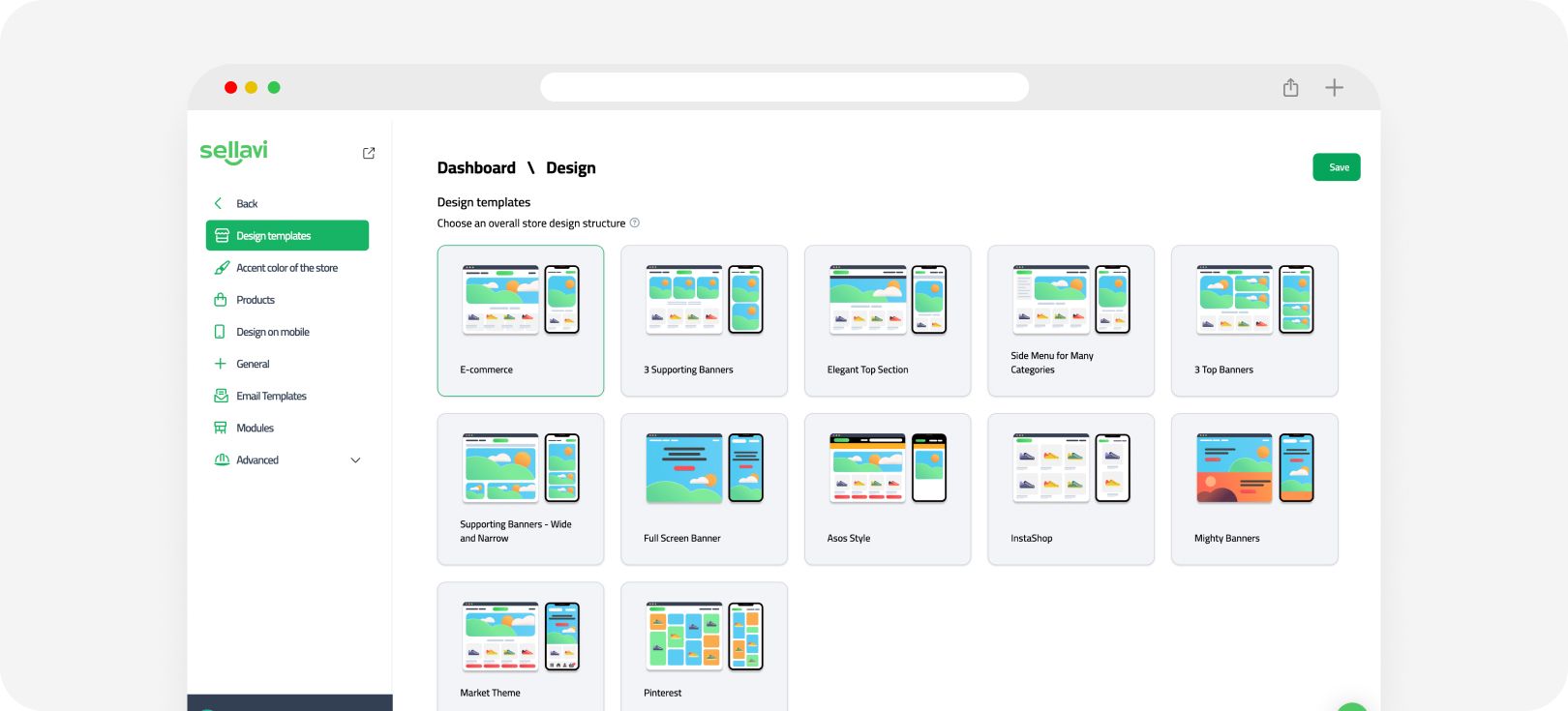
By the way, every design template on the Sellavi platform is crafted based on extensive research into customer behavior in top-performing online stores. We’ve carefully analyzed the entire buying journey, from the moment a visitor lands on the site to the final checkout step. This means that no matter which template you choose, your customers will enjoy a seamless, intuitive shopping experience — one that keeps them engaged and encourages them to complete their purchases with ease.
9. Only use professional photos of your products
Poor-quality images can ruin the perception of your products and brand, no matter how great your offerings are. Professional, high-resolution photos create a polished, trustworthy look that attracts buyers — 90% of people shopping online believe that photo quality is the top priority when buying something.
Ideally, showcase products from multiple angles, include zoom-in features, and use lifestyle images that demonstrate how the product is used in real life. Investing in good photography or using tools like Canva and Adobe Photoshop to enhance your images can significantly impact conversion rates. In e-commerce, visuals play a crucial role — remember, a picture is worth a thousand words.
Worried about how your product images will appear on mobile devices? With Sellavi, there’s no need. Our platform automatically optimizes every photo, ensuring that your images look sharp, professional, and perfectly scaled on any smartphone or tablet. No extra adjustments required — just upload your pictures, and we’ll take care of the rest.
10. Use the most efficient web hosting: Sellavi
Before you start creating your online store, you should do thorough research on web hosting. Ultimately, you would want to avoid having to switch your web host after just a couple of months, because they don’t offer services that you suddenly realize you need to create an even more successful online store. Lucky you, Sellavi has thought about everything necessary to operate a successful online store.
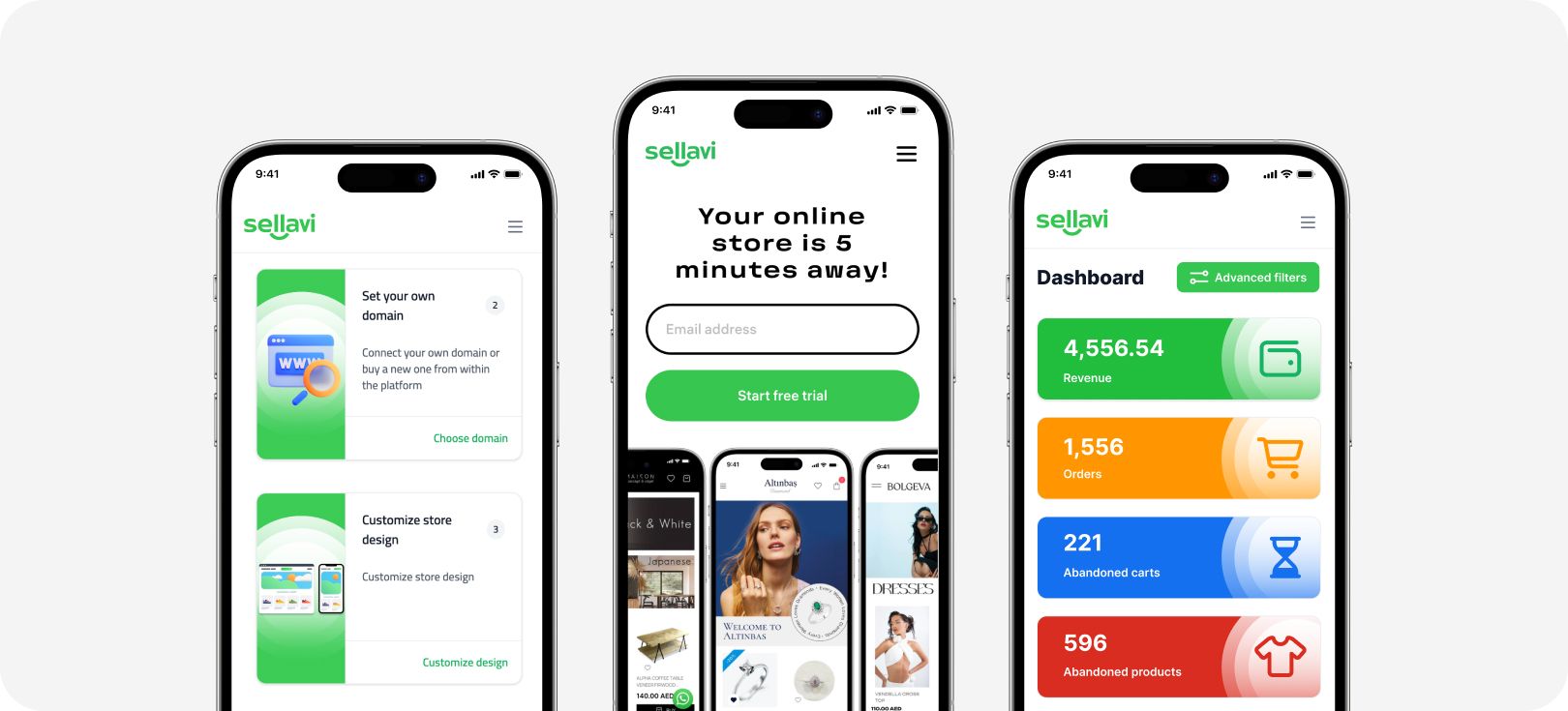
What Sellavi offers to create a successful online store:
- Sellavi goes above and beyond the basics when it comes to building your very own e-commerce empire. Sellavi offers an all-round-carefree package!
- You don’t need developers — Sellavi’s user-friendly interface lets you build a professional online store with zero technical experience.
- Sell as many products as you like, with no hidden costs or restrictions.
- Enjoy regular free updates, tailored to the evolving needs of our clients, so your store always stays competitive.
- Shipping is already taken care of — we've partnered with trusted local providers to simplify logistics.
- Stay connected with customers effortlessly through built-in communication tools and plug-ins.
- Everything you need to run a successful online business — all in one powerful dashboard.
- And best of all, your earnings go straight to your account, with no commission fees deducted.
Creating a successful online store requires a combination of branding, marketing, operational efficiency, and customer engagement. By implementing these strategies, you can attract more customers and build a business that thrives in the competitive e-commerce landscape.