Fresh start: 9 tips to gain customer trust when you have zero sales
Picture this: you're exploring a brand-new online store for the first time. You have no prior knowledge of the brand, so naturally, you'll seek out customer reviews and detailed information about the site and its products to ensure they align with your needs. This is the typical buyer's journey. But what about a seller whose online store went live just yesterday and is yet to make any sales, receive reviews, or establish a reputation?
In this article, we'll discuss nine effective ways to gain the trust of potential customers for a new online shop, guiding you in kickstarting your e-commerce journey.
1. Showcase the personal side of your business
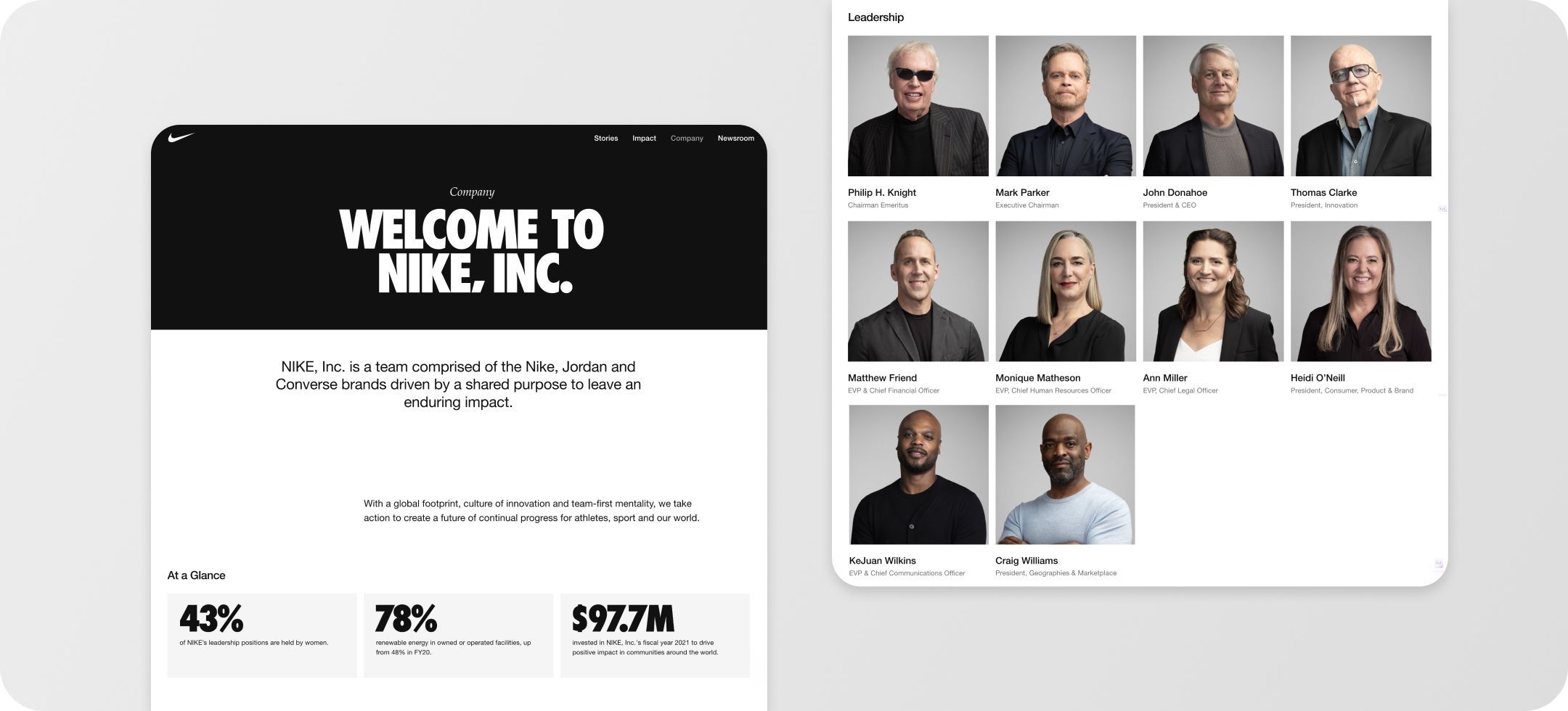
In e-commerce, people tend to trust individuals rather than faceless entities. Hence, one of the initial steps in overcoming consumer skepticism is revealing the human aspect of your brand.
The "About Us" page is a perfect place to achieve this. Consider how you can introduce yourself — the person steering your online store — to your customers. For instance, if you sell handmade goods, you can narrate a tale about your childhood fascination with creativity and how that passion eventually evolved into a business. Such stories blur the line between the brand and its founder, creating an impression that the purchase occurs directly from hand to hand.
In addition to showcasing your face, it's beneficial for the audience to see the faces of your team. Allow your employees to display their personalities, maintaining a friendly approach while interacting with customers without rigid scripts. You can also post your team shot on your sales website — this will add further authenticity and trust to your brand.
2. Foster relationships through engaging content
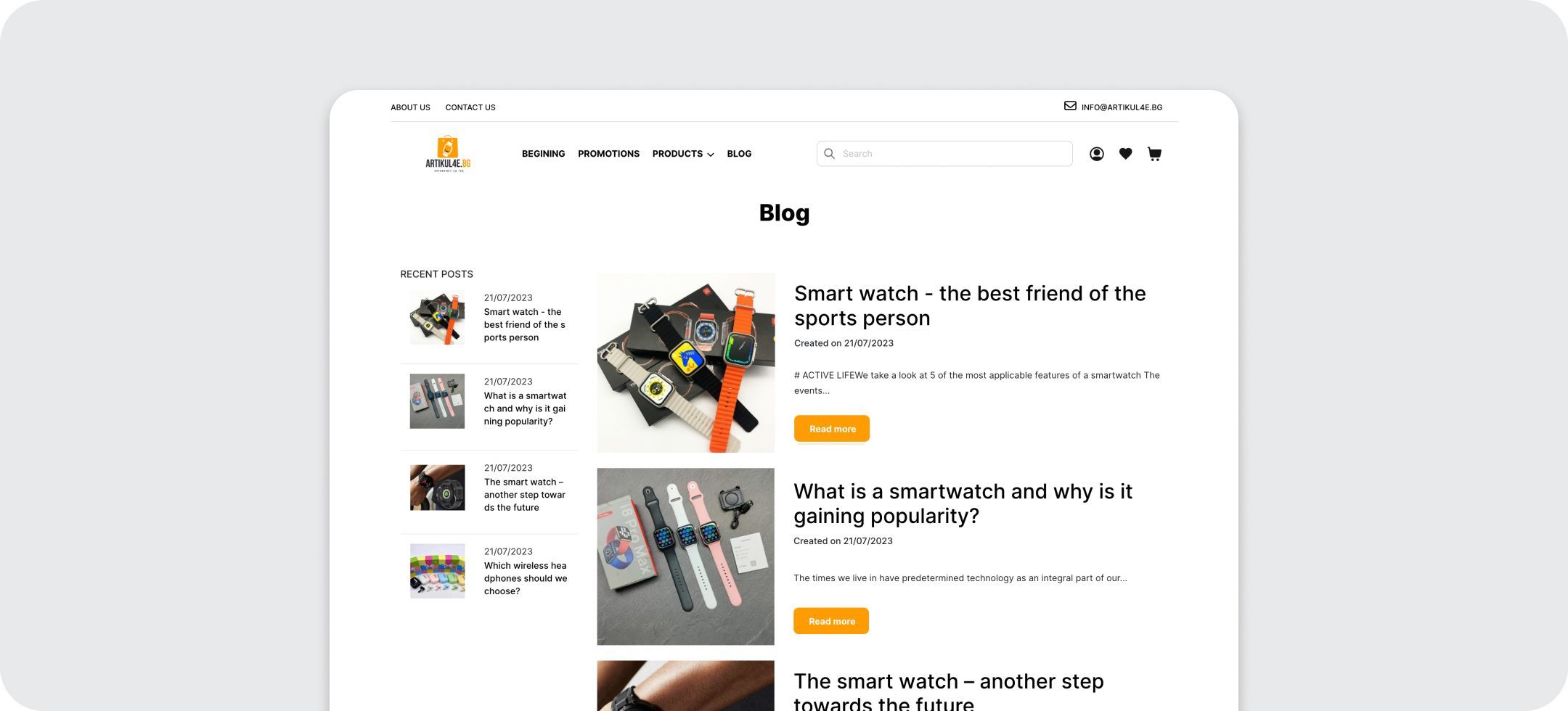
Content serves as a potent tool to cultivate relationships with potential clients. It aids in bolstering three foundational pillars crucial for a successful business: trust, recognition, and expertise. Let's delve into each of these aspects:
Recognition:
Regular publications on your blog and social media platforms enable your audience to gradually acquaint themselves with your brand. The process becomes particularly effective when you employ your brand's tone and voice, as they help to showcase your personality, eliciting a stronger response and enhancing recognition.
Trust:
A detailed exposition of your company's processes, products, and behind-the-scenes activities allows the audience to perceive your e-commerce website from an insider's perspective, fostering a sense of involvement in what transpires.
Expertise:
Informative and enlightening articles on your blog serve as an excellent way to demonstrate your competence. The publication of statistics, reviews, and comments significantly influences your perceived expertise in the eyes of consumers.
Furthermore, the act of consistently creating and publishing content conveys your dedication to your business, reflecting your genuine concern for your customers' best interests. This commitment is always a positive sign for consumers.
3. Assure customers of their safety as a priority
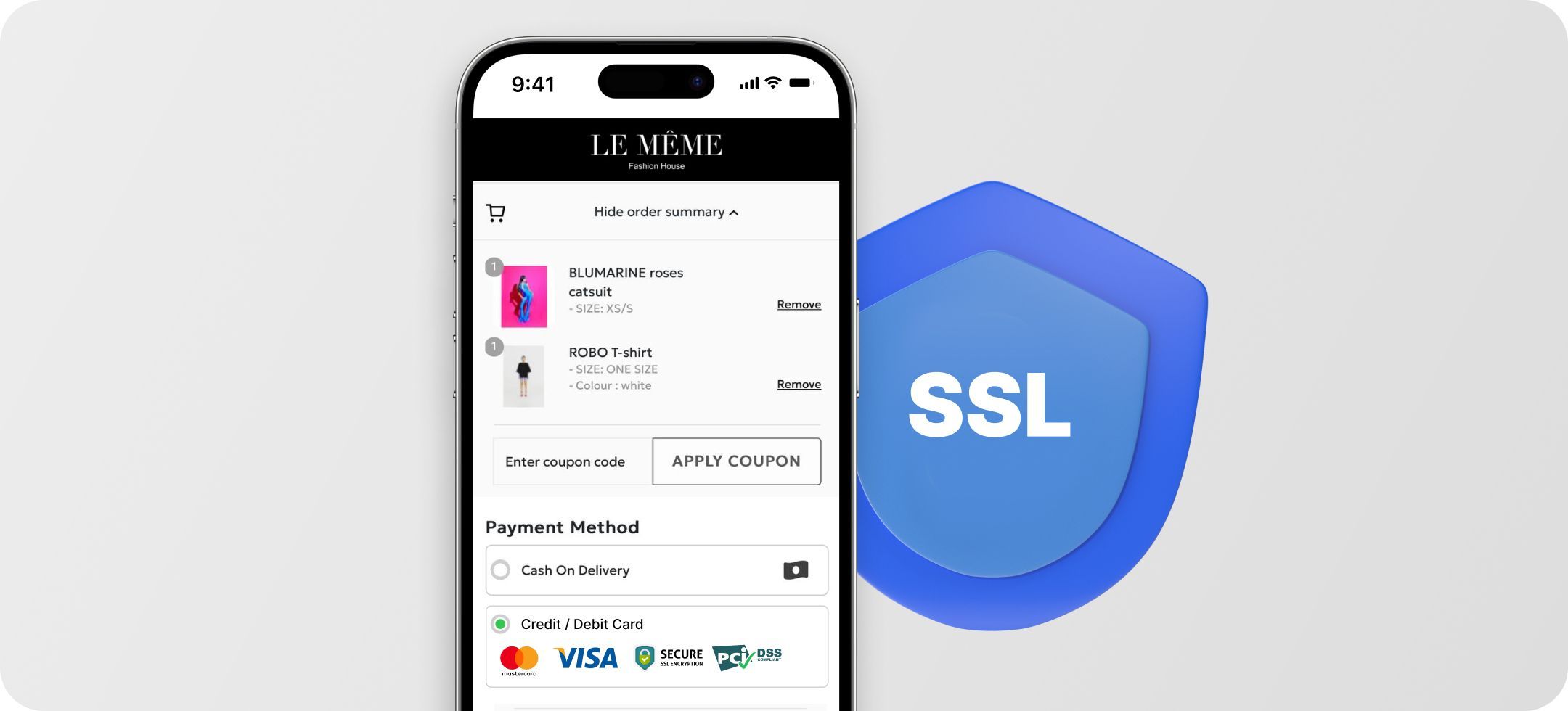
Personal safety is of paramount importance to every individual. Statistics reveal that approximately a third of potential purchases are left undone due to concerns about an e-commerce website's security. Consequently, instilling confidence in your customers that their personal data and card information will remain secure is crucial.
The most straightforward method to convince clients of your online store's reliability is by operating on a secure server with an attached SSL certificate. In simpler terms, your store's URL should commence with "https" rather than "http," signaling to your browser that the connection to the site is secure.
The second approach involves implementing captchas and text-based questions during login or while making a purchase. While these measures might not be a favorite among users, they significantly safeguard customer data from robot-initiated attacks.
The third method, equally important, entails utilizing a reputable internet-acquiring service to ensure secure online payments.
4. Establish a well-defined return policy

Statistics indicate that people are more inclined to make purchases from online stores that offer free returns within a specified window, typically 14 to 30 days. This inclination is unsurprising, given three compelling reasons why a clear and flexible return policy is an attractive feature on an e-commerce website:
- It significantly reduces the risk of financial losses in the event of an unsatisfactory purchase.
- It signifies high-quality customer service.
- It showcases your willingness to engage and your concern for customer satisfaction.
However, having a great return policy alone is not enough — you must ensure its accessibility to visitors. To achieve this, create a dedicated section on your website outlining all the rules and include a prominent link to it in the FAQ and store footer.
5. Be readily available for queries

Customers with pre-purchase doubts often seek additional information. In such cases, your objective is to respond to all inquiries promptly and comprehensively. Consider this: which brand would you trust more — one that provides a thorough answer to your question within three minutes, or one that takes a day to respond with just a few words?
To respond to inquiries swiftly, prioritize messengers over emails as your main communication channels. Messengers have long surpassed other methods and are now the preferred mode of communication, especially in e-commerce. According to one research, 92% of buyers noted that live chat significantly improved their user experience, with 53% expressing a preference for instant messengers over other communication methods with a brand.
6. Develop a detailed FAQ page
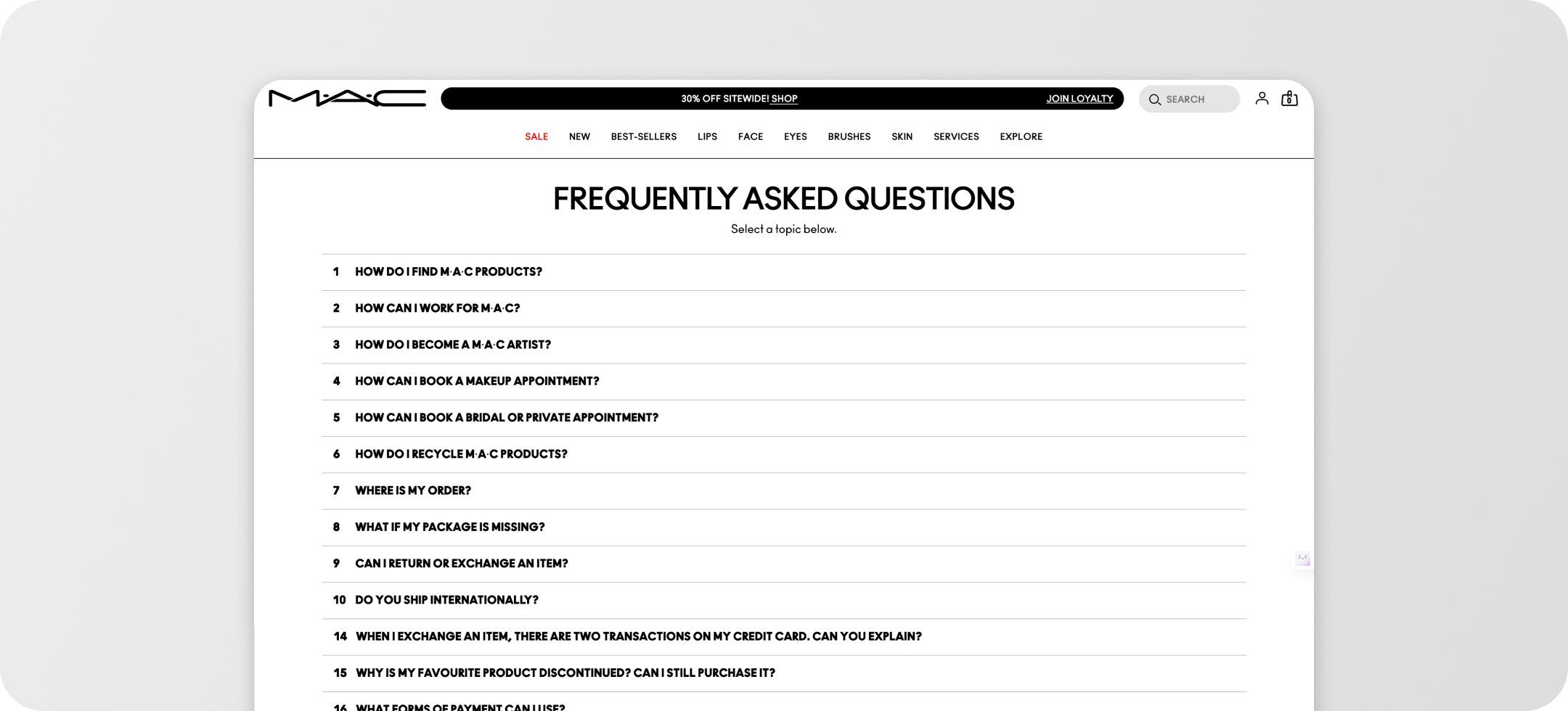
The FAQ section is among the most valuable items in your online store. It addresses questions regarding both the brand and products, provides insights into your journey, outlines store policies, and sheds light on other crucial business processes relevant to the customer. Essentially, it helps visitors acquaint themselves with your brand and enhances their comfort while shopping.
Leverage the FAQ section to address numerous audience objections. For example, your FAQ can include:
- Segments of your brand's history with a link to the full version on the "About Us" page;
- Product information essential to your customers (e.g., free from parabens, gluten, and soy);
- Certificates and licenses (evidence of organic origin, kosher certification);
- Insights into production processes;
- And, of course, responses to questions that customers frequently ask, both of you and your competitors.
7. Provide comprehensive product information
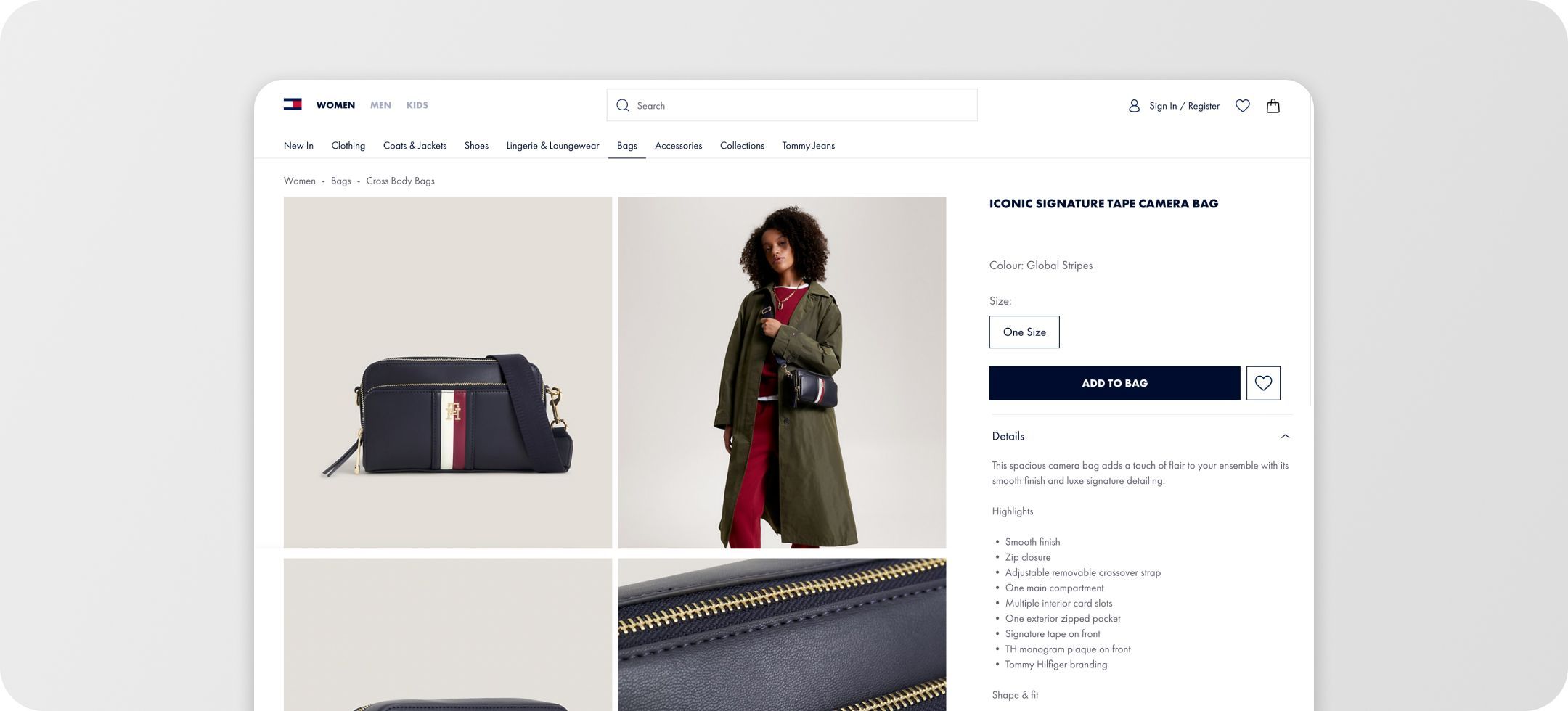
The more consumers know about the product they are considering purchasing, the more likely they are to complete the order.
When crafting the text for a product description, approach it from the perspective of the buyer - “What's important to me about this product?” — and then from the seller’s side: “What advantages of the product will help in selling it?” Pay particular attention to specifics; for instance, instead of a vague “leather,” specifying “medium-grain calfskin” provides a more appealing description.
For a thorough evaluation, ensure that the product description includes:
- Exact product dimensions;
- Precise product weight;
- Product ingredients or production materials;
- Warranty information;
- Individual product features (e.g., "adjustable strap...") and their benefits ("...so you can tailor this bag to your liking").
In addition to textual information, offering visual insights into the product is crucial. Utilize a carousel of images and videos to provide a detailed view of the product's quality and demonstrate how it can be used. This significantly enhances the likelihood of a successful sale.
8. Consider offering product samples

Securing initial customers who are willing to give your products a try and assist in gaining popularity can be challenging, despite your best efforts. However, there's a foolproof way to introduce your products to the public — distributing samples.
Free samples and giveaways can generate interest in your business and alleviate trust concerns. Admittedly, this method isn't suitable for every niche, and long-term effectiveness can't be guaranteed. Yet, for products that can be distributed in smaller quantities (e.g., cosmetics miniatures), this method can expedite business growth substantially.
Here are several effective ways to distribute free products from a new online store:
- Offer them to a specific number of people in exchange for feedback. You can share a link to the respective product and collect the necessary number of reviews to gain visitors's trust.
- Send products to influencers or bloggers who can share their positive thoughts with your target audience.
- Provide gifts for referring a new customer to the shop.
- Distribute free samples at niche events.
Remember, offering free samples is an excellent way to initiate trust-building. However, to ensure its effectiveness, you must place the products in the right hands and calculate the unit economics accurately.
9. Address minor issues that could undermine trust
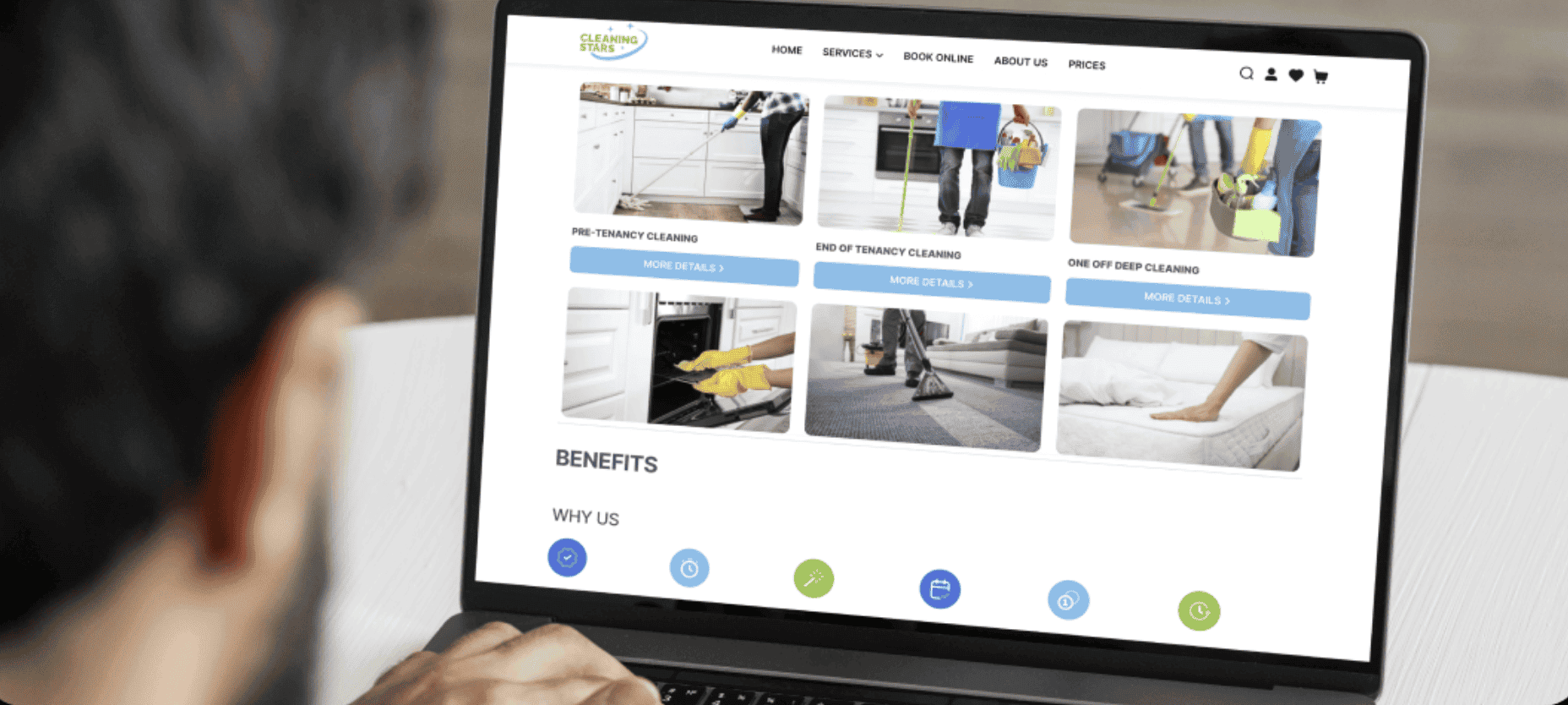
Last but not least, be honest with yourself and thoroughly evaluate your store, both on desktop and mobile, from the home page to the checkout. Do you believe in what you're offering? Do you possess a memorable and concise domain name? Does the design present well?
Consult friends and colleagues to determine if they would trust the online store enough to make a purchase. If yes, why? If not, what's causing this sense of unease? Is your homepage unclear about what you sell? Are your delivery times not transparent enough? Are there any typos?
The purpose of this exercise is to meticulously examine the e-commerce website for minor errors. You may know that you are honest and trustworthy, but that doesn't guarantee clients will share the same belief.
Customer trust is key
Trust is pivotal for successful sales, especially in today's environment with a plethora of options. By focusing on trust, you won't just find customers to whom you can sell your goods, but discover loyal clients who will support you throughout the existence of your business. Implement our suggestions and you can chart a course to success.
By the way, Sellavi provides all the necessary tools to enhance trust with your audience. Easily create an informative “About Us” section, write articles for your online store’s blog, establish a FAQ page, and much more!
Register on the Sellavi website builder and start your free trial. You'll have complete access to all functions for two full weeks, during which you can explore our platform and make the right choice for your business growth!