What is Dropshipping: 101 guide
In recent years, rapid technological advancements and the growing convenience of online shopping have transformed how people buy and sell products. This digital shift has encouraged many traditional retailers to consider transitioning from offline trade to e-commerce.
Among the various business models emerging in this space, one in particular has gained significant popularity for its simplicity, accessibility, and low entry barrier. This model is known as dropshipping, and it has empowered countless entrepreneurs to launch online businesses with minimal upfront investment.
In this guide, we’ll explore what dropshipping is, how it works, and whether it’s the right path for you.
What is dropshipping and how does it work?
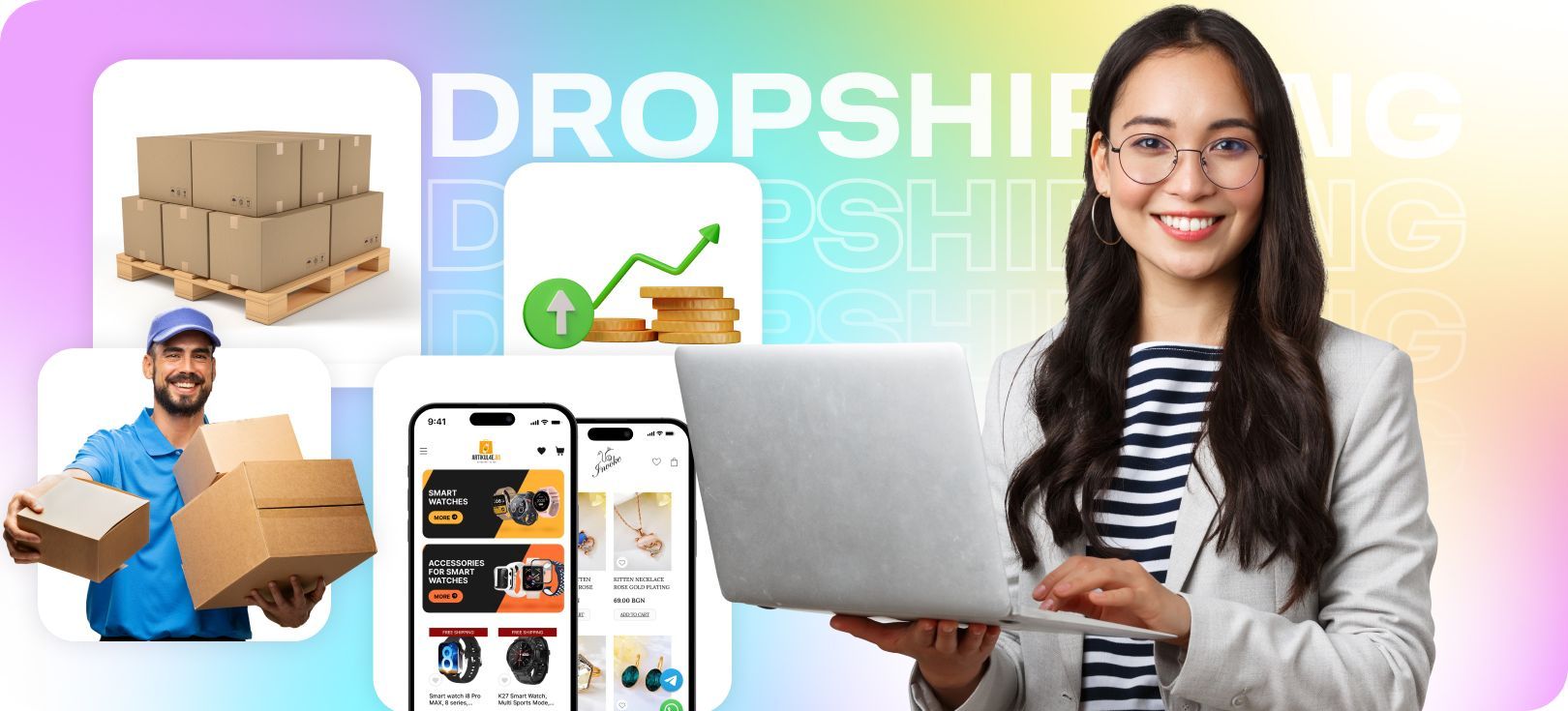
At its core, dropshipping is a retail fulfillment method that allows sellers to offer products to customers without having to manage inventory, rent warehouse space, or even handle the products themselves. In contrast to traditional retail or wholesale business models, dropshipping operates on a direct-to-consumer delivery chain, facilitated by a third-party supplier. This approach has positioned dropshipping as a subset of reselling or retail arbitrage, albeit with a modern, tech-driven twist.
Here's a simplified breakdown of the dropshipping process.
First, the dropshipper identifies products with strong demand, often by researching market trends, browsing platforms like AliExpress, or analyzing social media shopping behavior. Once potential products are found, the dropshipper selects a reliable supplier, typically located overseas, and copies the product images and descriptions provided by that supplier. These materials are then uploaded to the dropshipper’s online store, which may be hosted on an independent e-commerce website or a marketplace like eBay or Amazon.
When a customer visits the store and makes a purchase, they pay the retail price set by the dropshipper. The dropshipper then places the same order with the supplier at the original wholesale price, entering the customer’s shipping details. The supplier packages and ships the item directly to the buyer. The profit for the dropshipper is the markup between the wholesale cost and the retail price, minus any operational or transaction fees.
This hands-off fulfillment system means that dropshippers never actually touch the products they sell. They act as middlemen, earning profits by managing listings, running advertisements, and handling customer service.
The model has gained considerable traction in the United States, Canada, the United Kingdom, and throughout Europe, primarily because of its scalability, flexibility, and relatively low barrier to entry. Unlike traditional retail businesses, dropshipping doesn't require purchasing inventory in advance or worrying about storage, packaging, or shipping logistics.

Pros and Cons of dropshipping
While dropshipping may sound like an entrepreneur’s dream, it's not without its challenges. This model offers many benefits, but it also comes with potential downsides that should be carefully considered before diving in.
Pros:
One of the biggest advantages is the low startup cost. Since there is no need to invest in inventory, production, or warehousing, it’s possible to launch a fully functioning e-commerce store with a minimal budget. This makes dropshipping particularly appealing to first-time entrepreneurs and small business owners who are testing the waters of online retail.
Another key advantage is product flexibility. Dropshippers can offer an expansive and diverse catalog of items across multiple categories, adjusting their product line based on seasonal trends, market shifts, or customer demand without bearing the financial burden of unsold stock.
Additionally, dropshipping allows for high levels of mobility and flexibility. With just a laptop and an internet connection, business owners can manage their stores from virtually anywhere in the world. Many dropshippers operate their businesses entirely from their smartphones, tracking orders, chatting with suppliers, and responding to customers on the go.
Last but not least, dropshipping is a legitimate and scalable business model that requires no formal licensing beyond what is necessary to operate any online store legally in your country or region.
Cons:
It’s important to recognize that dropshipping is not a guaranteed path to instant success. The model’s popularity has created intense competition. Often, dozens — if not hundreds — of online stores may sell the exact same product from the same supplier. This saturation makes it harder to stand out, especially when pricing wars erode potential profits.
While some dropshippers manage to earn high margins, it’s more common to see modest profits, typically between 20% to 50% of the product cost, depending on the niche and the effectiveness of the store's marketing efforts.
Another limitation is the lack of branding control. Since the products are sourced from third-party suppliers, dropshippers are limited in how much they can customize the product or its packaging. This reduces the emotional connection between the customer and the brand, making it harder to foster long-term loyalty or differentiate the store in a meaningful way.
Dropshipping also exposes sellers to quality and shipping issues beyond their control. Delays in fulfillment, damaged items, or inconsistent product quality can lead to customer dissatisfaction, even if the fault lies entirely with the supplier.
Customer service can also be a challenge. When something goes wrong — whether it’s a late shipment, a missing package, or a defective item — it’s the dropshipper who must take responsibility and resolve the issue. This puts pressure on the seller to maintain open communication with both customers and suppliers while mitigating the risks of negative reviews and refunds.
The real costs behind a dropshipping business
Although dropshipping eliminates the need for physical inventory, it's not entirely free of expenses. The bulk of your investment will likely go into digital marketing — especially paid advertisements through Facebook, Instagram, Google Ads, TikTok, or influencer collaborations. Since you’re often selling products that aren’t exclusive to you, your success will depend on how effectively you market them. The better your product images, descriptions, ad copy, and website UX, the higher your chances of converting visitors into paying customers.
It’s also worth investing in tools for automation, customer service, and analytics. For instance, tools that automatically sync stock levels or update prices from your supplier can save time and reduce errors. Email automation software, live chat plugins, and customer review widgets all enhance the customer experience and help build trust. These operational investments, while optional at first, become essential as your store scales.
To be or not to be — that's for you to decide
In conclusion, dropshipping is a viable and flexible e-commerce model that has empowered many to start and scale online businesses without the heavy burden of inventory and logistics. It offers a low-risk way to enter the world of online retail, particularly for those with limited startup capital and a strong grasp of digital marketing. However, it also requires careful planning, reliable supplier relationships, and a strong commitment to customer service in order to be successful.
Success in dropshipping doesn’t come overnight. It’s about learning to navigate the challenges, optimizing the process, and building trust with your audience. If you are willing to dedicate time to product research, advertising, and customer interaction, dropshipping can serve as a stepping stone toward a larger e-commerce venture or even evolve into a standalone brand over time.
If you’re looking to launch your dropshipping business with ease, the Sellavi platform offers everything you need to get started. Our powerful website builder is optimized for dropshipping, with built-in tools for creating an attractive storefront, managing orders, and connecting with suppliers. Whether you're a seasoned entrepreneur or just starting your journey, you can build your store quickly and start selling within days. Why wait? Take the leap and see where dropshipping can take you.