What is E-E-A-T and how to implement it in your online store content
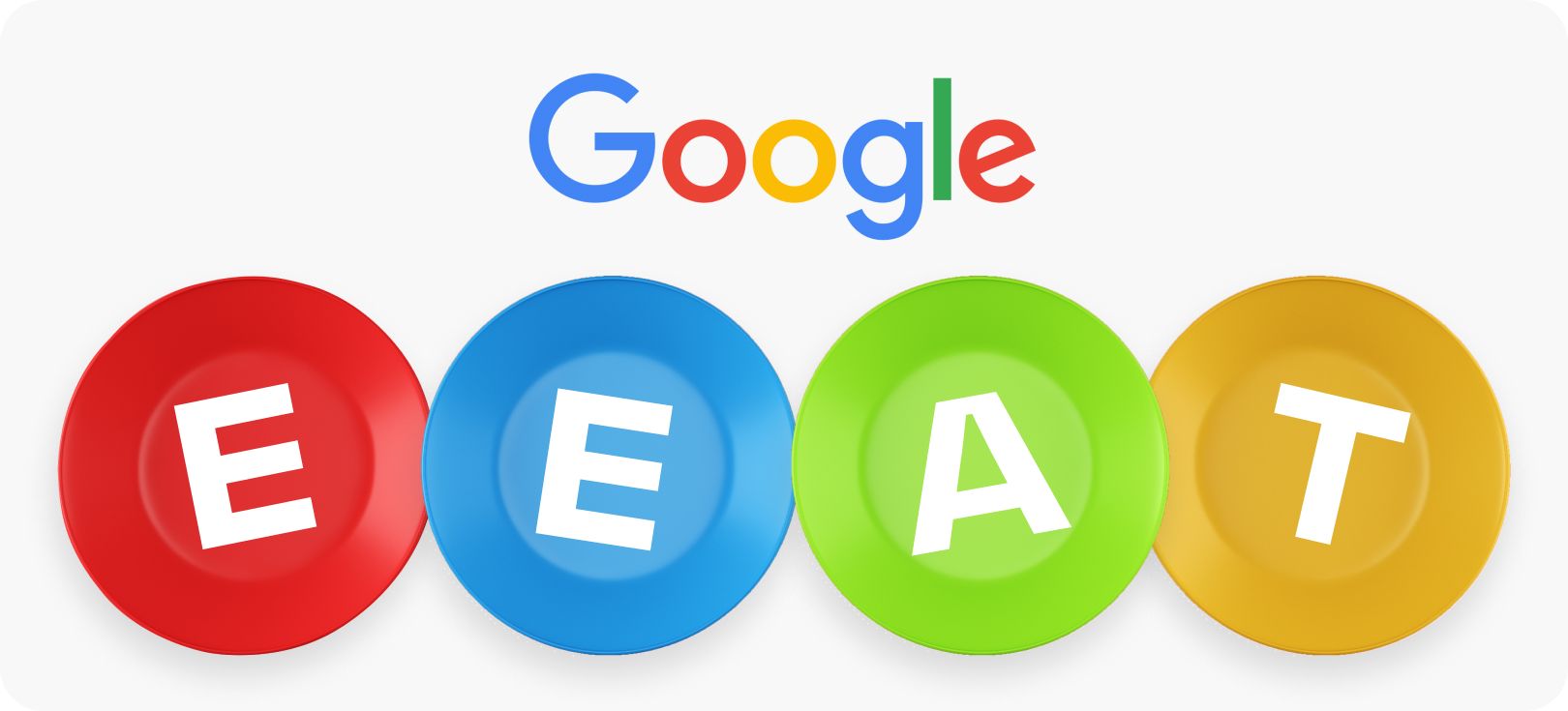
If you recently read our article on SEO trends for 2025, you already know that one of the most crucial factors influencing content quality this year is E-E-A-T (Experience, Expertise, Authoritativeness, and Trustworthiness). These four pillars form the foundation of how Google evaluates content quality and, as a result, ranks websites.
For online store owners, incorporating E-E-A-T into content strategy can significantly enhance visibility, build customer trust, and boost conversion rates. This comprehensive guide will explain what E-E-A-T is, how Google evaluates it, and how you can effectively implement it in your online store's content.
START SELLING
ON SELLAVI
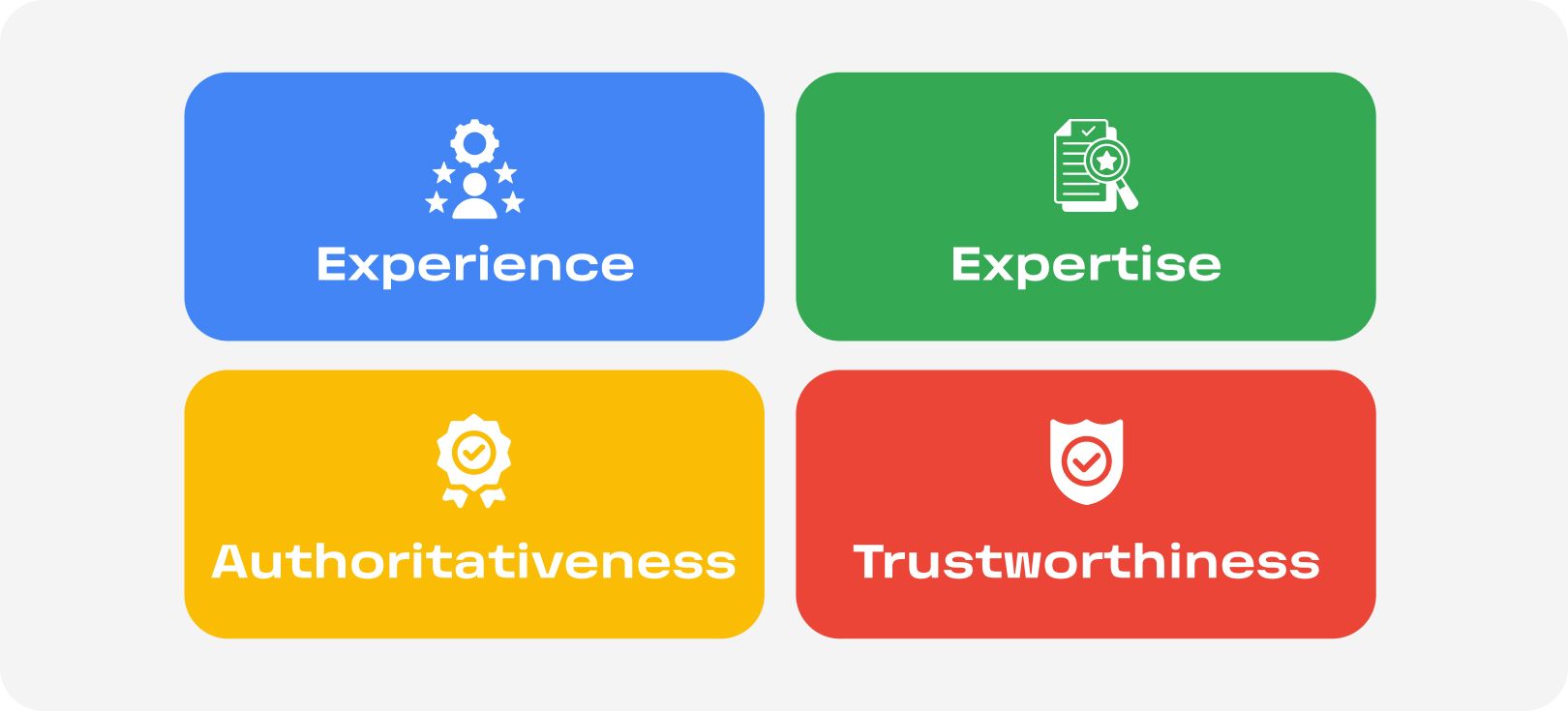
Understanding E-E-A-T: what does it mean?
Experience
The "Experience" component evaluates whether the content creator has firsthand knowledge or practical experience related to the topic. For instance, a blog post about using a specific product is more credible if written by someone who has actually used it. Google favors content that reflects genuine interaction with the subject matter, as it provides real-world insights to readers.
Expertise
"Expertise" measures the depth of knowledge demonstrated in the content. Google assesses whether the content creator is a subject matter expert, particularly in fields requiring specialized knowledge, such as health, finance, or technology. High-quality content showcases detailed, accurate, and actionable insights that help users solve specific problems or answer complex questions.
Authoritativeness
"Authoritativeness" refers to the reputation of the content creator, website, or business within its industry. An authoritative source is recognized as a credible leader in its niche. Factors like backlinks from reputable sites, positive user reviews, and mentions in industry publications contribute to perceived authority.
Trustworthiness
"Trustworthiness" is the cornerstone of E-E-A-T. It evaluates whether users can trust the content and the source providing it. Transparent business practices, secure website connections, accurate information, and genuine customer reviews all contribute to building trust.
How to demonstrate your online store’s E-E-A-T to Google?
To be completely honest, to truly understand how Google evaluates E-E-A-T, one would either need insider knowledge as a Google employee or possess an exhaustive understanding of all the search engine’s available documentation. Fortunately, even without such privileged access, there’s enough public information to help you align with Google’s expectations.
For example, insights from the Stanford Persuasive Technology Lab, which conducted a three-year study involving over 4,500 participants, offer practical guidance on how to build online credibility. Here are the guidelines to ensure your website aligns with E-E-A-T principles:
- Make it easy to verify the accuracy of the information on your site.
- Show that there’s a real organization behind your site.
- Highlight your organization's expertise and the content and services you provide.
- Show that honest and trustworthy people stand behind your site.
- Make it easy to contact you.
- Design your site to look professional (or appropriate for your purpose).
- Make your site easy to use – and useful.
- Update your site’s content often (at least show it’s been reviewed recently).
- Use restraint with any promotional content (e.g., ads, offers).
- Avoid errors of all types, no matter how small they seem.
In our humble opinion, these guidelines are the clearest and most user-friendly for both novice entrepreneurs and e-commerce experts looking to improve their SEO.
Implementing E-E-A-T in your online store content
For online stores, building E-E-A-T requires a strategic approach to content creation, distribution, and positioning. Below you can find some tips to help you integrate E-E-A-T principles into your site.
Create high-quality content
High-quality content forms the bedrock of E-E-A-T. It's not merely about creating content but ensuring it’s valuable, informative, and tailored to your audience’s needs.
To create high-quality content, start by identifying your audience's needs through thorough keyword research and audience analytics. Understand what questions they are asking and the problems they seek to solve.
Next, ensure in-depth research backs every piece of content you produce. Citing reputable sources and providing accurate information enhances credibility.
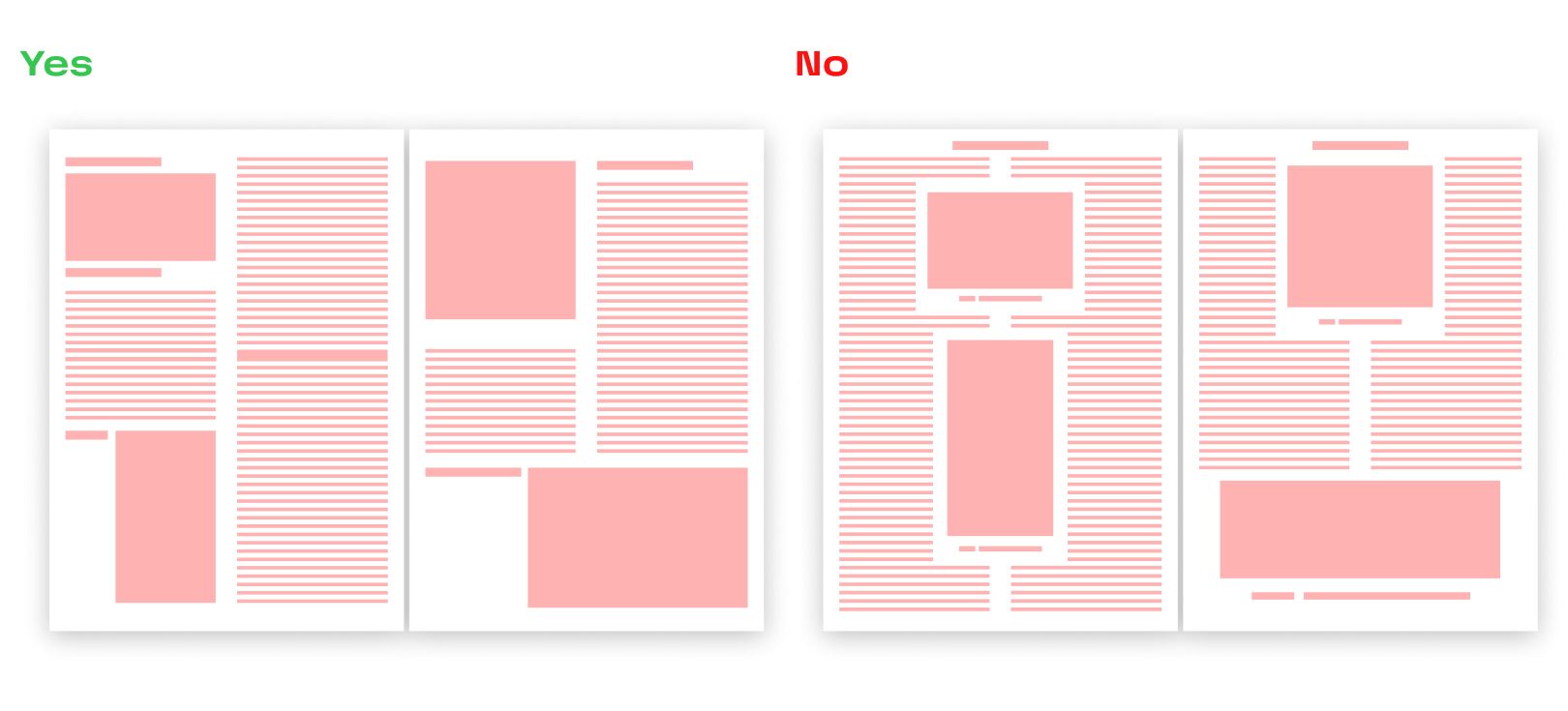
Originality is also key — your content should bring unique perspectives or insights to the table instead of reiterating widely available information. To maintain engagement, format your content for readability using subheadings, concise paragraphs, and visually appealing elements like images and videos. Additionally, include actionable insights, offering readers practical tips or solutions.
Regular updates to your content will ensure it remains accurate and relevant, while an author bio can lend additional credibility by highlighting the writer’s expertise and experience.
Build authoritative backlinks
Backlinks from reputable websites are essential for establishing authority in your niche. Google evaluates your content’s trustworthiness partially based on the quality of sites linking back to you.
To build authoritative backlinks, focus on producing exceptional content that others naturally want to reference. Create comprehensive guides, unique research studies, or engaging infographics that attract organic links.
Outreach efforts are also critical — identify influencers, industry leaders, and relevant bloggers, then share your content with them in a personalized manner. Guest blogging is another effective strategy; contribute well-researched articles to respected platforms in your industry while including links back to your store.
Lastly, monitor your backlink profile regularly to disavow low-quality or spammy links that could negatively impact your E-E-A-T.
Cluster topics
Topic clustering involves grouping related content under a core theme to demonstrate expertise comprehensively. It enhances your site’s internal linking structure and showcases depth of knowledge.
Start by identifying the primary topics relevant to your online store’s niche. For example, if you sell skincare products, clusters could include themes like "anti-aging solutions," "natural skincare," or "acne treatments." Create pillar content for each topic, such as a comprehensive guide or an in-depth blog post. Then, support it with related content pieces like product reviews, tutorials, or FAQs that link back to the pillar page. This not only improves navigation for users but also helps search engines recognize your site’s authority on these subjects.
Utilize credible sources
Using credible sources in your content strengthens its reliability and demonstrates your commitment to accuracy. Always back your claims with data from trusted publications, academic research, or industry reports.
When citing sources, link directly to the original material to provide transparency and allow readers to verify the information. Avoid relying on outdated or low-quality references, as they can diminish your credibility.
Consider partnering with experts in your field for co-authored articles or interviews, adding further legitimacy to your content. Incorporating credible sources not only enhances your E-E-A-T but also builds trust with your audience.
Leverage user-generated content
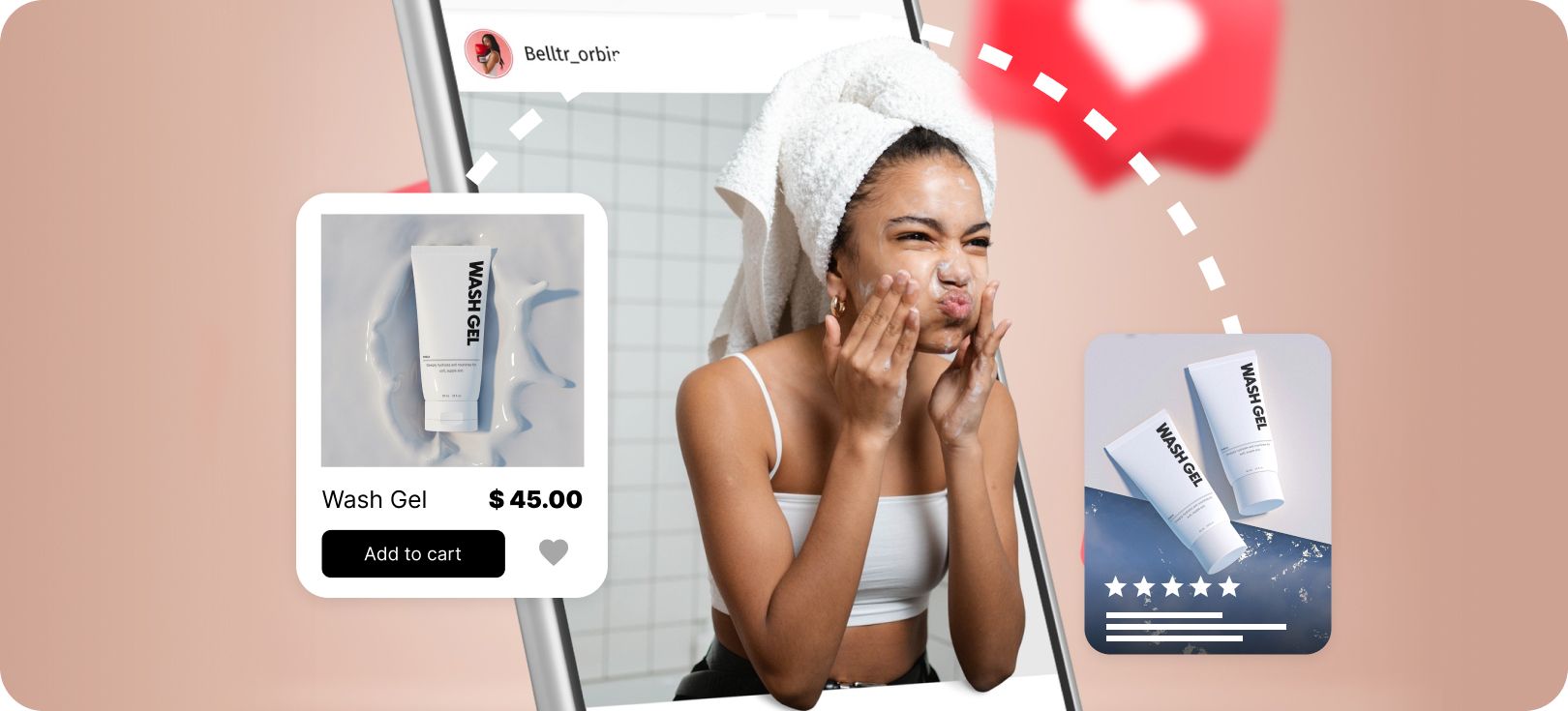
User-generated content (UGC) is a powerful way to showcase real-world experience and build trust. It includes reviews, testimonials, social media posts, and videos created by your customers.
Encourage customers to share their experiences with your products through reviews or social media hashtags. Highlight this content on your website, social channels, or blogs to demonstrate authenticity. For example, you could create a "Customer Stories" section that showcases how your products have positively impacted users.
Responding to reviews — both positive and negative — is equally important. This shows you value customer feedback and are committed to continuous improvement.
Diversify content distribution
Distributing your content across multiple platforms maximizes its reach and reinforces your authority. Focus on creating tailored content for each channel while maintaining consistency in messaging.
For example, write long-form articles for your blog, share snippets or infographics on social media, and create videos for platforms like YouTube or TikTok. Engage with your audience on forums or niche communities where your products are relevant. Repurpose existing content into different formats — such as turning a blog post into an infographic — to reach new audiences.
Diversifying your distribution strategy ensures your content reaches potential customers wherever they are.
Work on technical SEO
Technical SEO ensures that search engines can efficiently crawl, index, and rank your content. A well-optimized website enhances the user experience and builds trustworthiness.
Start by optimizing your site’s loading speed — users expect pages to load quickly, and delays can lead to higher bounce rates. Use tools like Google’s PageSpeed Insights to identify areas for improvement.
Ensure your site is mobile-friendly, as a significant portion of online traffic comes from mobile devices. Fortunately, this isn’t a concern for anyone who has built their online store on Sellavi. Our stores are fully optimized for all types of mobile devices, ensuring flawless performance across smartphones, tablets, and more. Don’t just take our word for it — experience it yourself with our 14-day free trial!
A secure connection (HTTPS) is essential for building trust; ensure your site has a valid SSL certificate (which, by the way, you’ll have as a gift after renting a domain through Sellavi). Additionally, create a clean URL structure and include descriptive meta tags for every page (we have that functionality as well!).
Finally, generate and submit an XML sitemap to Google to ensure all your pages are indexed properly.

Build brand reputation
A strong brand reputation contributes significantly to E-E-A-T by enhancing trust and authority. Focus on building a positive perception of your business through transparent practices and consistent quality.
Start by actively managing your online reviews. Encourage satisfied customers to leave feedback and address any negative reviews professionally and constructively. Showcase certifications, awards, and partnerships prominently on your website to build credibility. Consistency in branding — including your tone of voice, visuals, and messaging — is also crucial for creating a reliable and recognizable presence.
Establish an online presence
A robust online presence reinforces your authority and trustworthiness while expanding your reach. Invest time in creating and maintaining active profiles on relevant platforms.
Start by optimizing your social media profiles with complete information, including links to your store and blog. Regularly post engaging content that aligns with your brand’s values and addresses your audience’s needs. Participate in online discussions, webinars, or events related to your industry to position yourself as a thought leader.
Additionally, maintain transparency by providing clear contact information and ensuring your "About Us" page effectively communicates your company’s mission, vision, and history.
Conclusion
E-E-A-T is a critical factor for online store owners looking to improve their search rankings and customer trust in 2025. By prioritizing Experience, Expertise, Authoritativeness, and Trustworthiness in your content strategy, you can build a strong digital presence that resonates with both Google’s algorithms and your target audience.
Implementing these principles takes time, yes. But the rewards — improved visibility, customer loyalty, and increased conversions — are well worth the effort.