What's e-commerce and how to create a profitable online store?
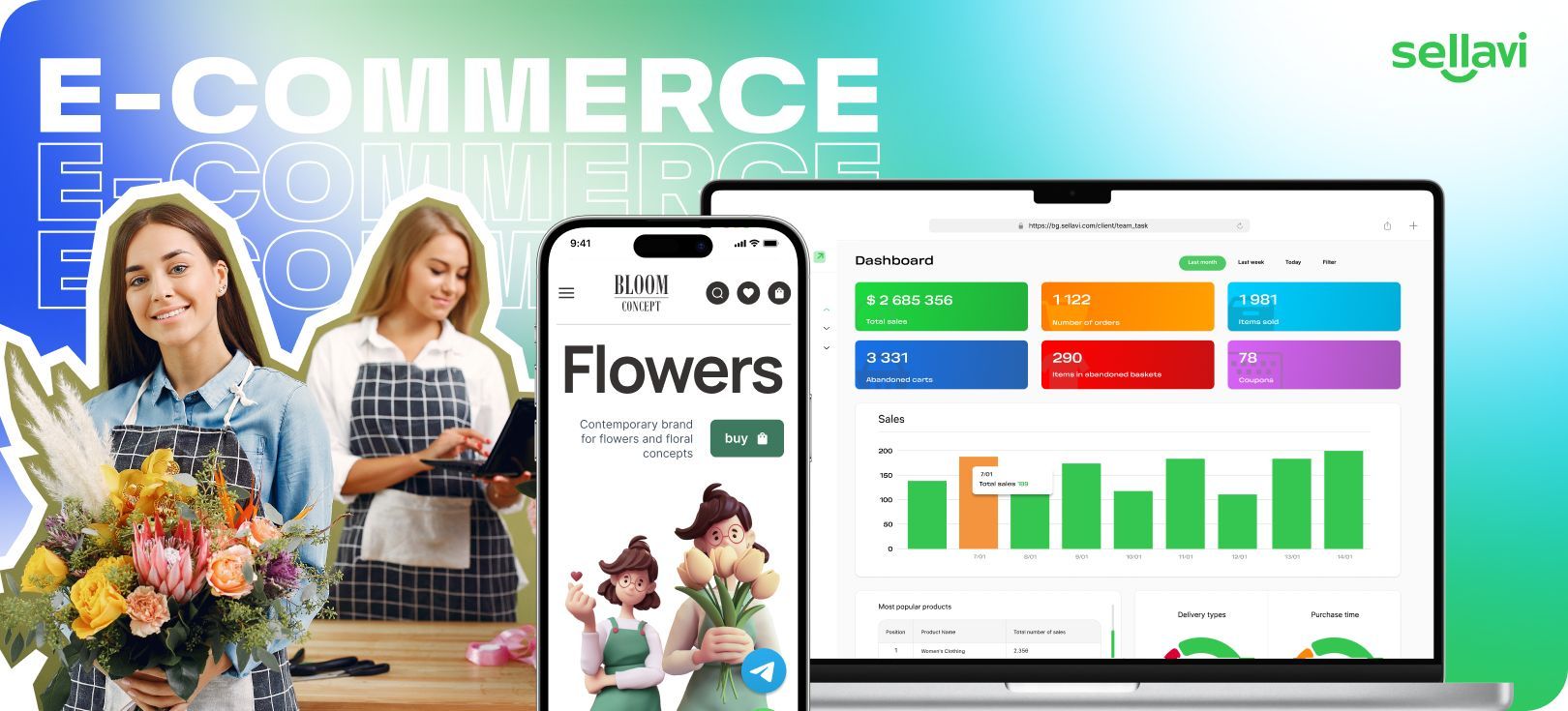
E-commerce is the general term for all buying and selling activities conducted over the Internet. If you’ve ever purchased clothes from an online store, booked flight tickets, ordered groceries, or subscribed to a digital course, you’ve already participated in the world of e-commerce.
Today, e-commerce has evolved far beyond simple online transactions — it’s an ecosystem where technology, marketing, and user experience intertwine to create meaningful connections between brands and consumers. From social commerce to mobile shopping and personalized product recommendations powered by AI, the industry has become one of the most dynamic sectors in the global economy.
The majority of online sales occur through e-commerce websites or marketplaces, each pursuing several common goals: expanding market reach, increasing brand awareness, building trust among target audiences, and, of course, generating consistent profits. To achieve these objectives, business owners rely on strategies such as SEO (Search Engine Optimization), PPC (Pay Per Click ads), and SMM (Social Media Marketing).
However, marketing strategies alone aren’t enough. Factors like website usability, interface design, checkout simplicity, and customer communication play crucial roles in conversion success. In this article, we’ll explore the advantages of e-commerce compared to traditional retail, highlight the key traits of a successful online store, and share practical steps to help you create a profitable one.
What are the advantages of online business vs offline business?
E-commerce offers a long list of advantages that make it increasingly appealing for entrepreneurs. Compared to offline retail, it allows for scalability, flexibility, and precision that are difficult to achieve in the physical world.
1. Increased accessibility
One of the biggest benefits of e-commerce is its 24/7 availability. Your store never closes — it’s always there, ready to serve customers regardless of their time zone or schedule. For consumers, it’s about convenience. They can browse, compare, and buy products in minutes without leaving home.
Modern e-commerce platforms also make international sales easier, offering automated currency conversion, multi-language interfaces, and various payment options — effectively transforming local brands into global players.
2. Expanded target audience reach
Over 5.65 billion people around the world use the internet, making up 68.7% of the global population. Even a small e-commerce store can potentially reach millions of new customers worldwide through targeted digital marketing. Unlike a physical location limited by geography, your online store can tap into new regions and demographics, diversifying your revenue sources and reducing dependence on local demand.
3. Organic customer database building
Every visitor who fills out a form, subscribes to a newsletter, or completes a purchase leaves behind valuable data. This allows businesses to build detailed customer profiles — understanding preferences, purchase frequency, and product interests. Such insights form the foundation of personalized marketing campaigns, increasing retention and customer lifetime value.
4. Cross-selling opportunities without sales consultants
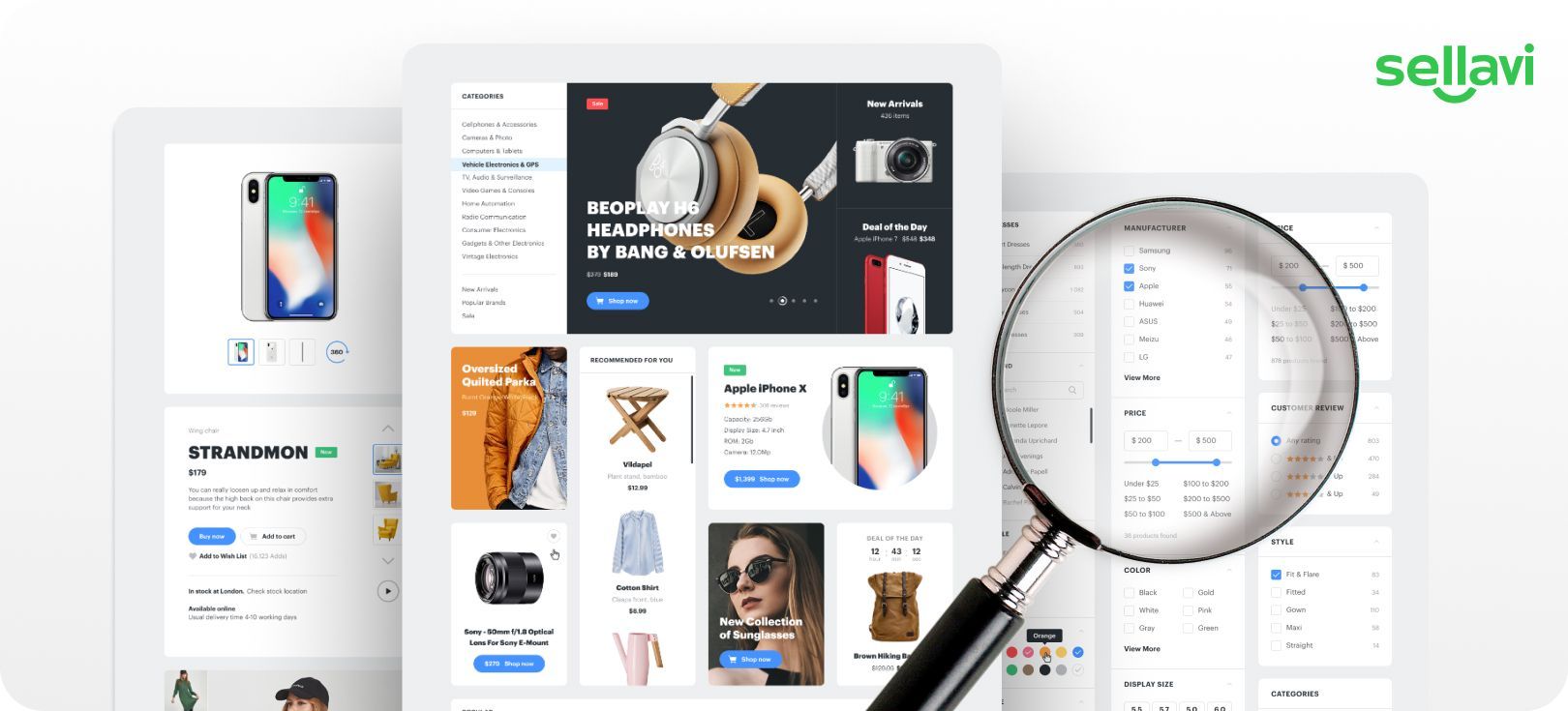
Smart product recommendations and automated upselling tools now perform the role of traditional sales assistants. For example, a customer buying a smartphone might also be shown accessories like phone cases or wireless earbuds. Cross-selling not only increases order value but also enhances customer satisfaction by helping them find everything they need in one place.
5. Savings on operational costs
Operating an online business is far more cost-efficient. You can minimize expenses for rent, utilities, and staffing. With centralized warehouses, efficient logistics partners, and automation tools, entrepreneurs can scale operations without the heavy costs associated with physical expansion. This is one of the reasons many businesses that went digital during the pandemic never looked back.
6. Targeted advertising
E-commerce marketing is not about broadcasting to everyone — it’s about reaching the right people at the right time. Platforms like Meta, Google, and TikTok Ads allow you to segment audiences based on interests, location, behavior, and intent, ensuring your message reaches those most likely to convert.
7. In-depth analytics
Unlike traditional media, online business offers measurable results. Tools such as Google Analytics, Meta Pixel, or GA4 help track everything — from traffic sources and customer journeys to conversion rates and abandoned carts. This data helps refine your strategy and make data-driven decisions that continuously improve performance.
What are the specific traits of e-commerce websites?
While many websites today incorporate some form of e-commerce functionality, successful online stores follow a set of core design and operational principles that directly influence conversions.
Product pages
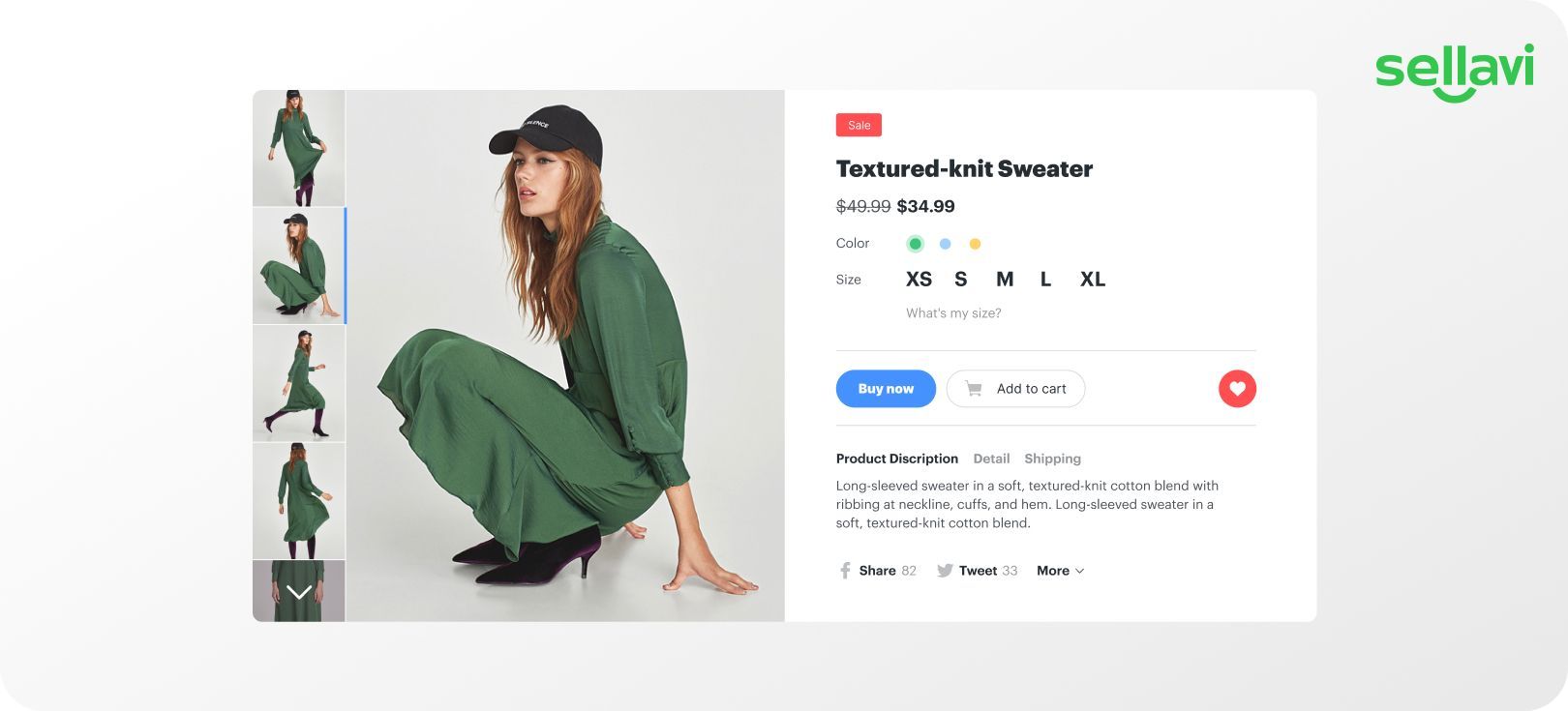
Your product page is your digital storefront. It should feature high-quality images, detailed descriptions, clear pricing, and trust signals (such as reviews, star ratings, and guarantees). Consistent layout and easy categorization help customers find what they’re looking for quickly.

Tip: Consider adding AI-based product recommendations or “Recently Viewed” sections to encourage repeat engagement.
Shopping cart
A streamlined cart experience is essential. Allow users to edit quantities, see shipping costs upfront, and save items for later. Studies show that transparent pricing and an easy-to-navigate checkout process significantly reduce cart abandonment rates.
Secure payment page
Security is non-negotiable in e-commerce. Customers must feel confident that their personal and financial data is safe. Always use SSL certificates, trust badges, and secure payment gateways that comply with international standards (such as PCI DSS). Offering multiple payment methods — including credit cards, PayPal, Apple Pay, and local payment options — can also improve conversion rates.
Payment processing (Acquiring)
Selecting the right payment partner affects both your profitability and your customers’ trust. The best acquiring systems ensure seamless transactions, low fees, fast settlements, and broad compatibility with different currencies and banks.
These are the building blocks of a professional online store — and platforms like Sellavi already include all of them, letting you start selling in just a few hours.
How to create a successful e-commerce website
Now that we’ve covered the essentials, let’s explore what it takes to turn your idea into a fully functional, profitable online store.
Choose a relevant domain
Your domain name is more than just a web address — it’s your brand identity. Pick a short, memorable name that reflects your niche and is easy to spell. Avoid hyphens and complicated extensions. Remember, your domain also influences SEO, so use relevant keywords when possible.
Opt for quality hosting
Website performance is vital. A slow or unreliable site can ruin the shopping experience and damage your reputation. Choose hosting that offers fast load times, 99.9% uptime, robust security, and scalability to handle traffic spikes during promotions or seasonal peaks.
Study your target audience
Understanding your audience helps shape everything — from the products you sell to your tone of voice and website layout. Use surveys, social media polls, and analytics tools to learn about your customers’ demographics, preferences, and pain points.
For example, if you sell home decor items, your website should appeal visually with high-resolution imagery and inspirational content. For B2B products, the focus should be on efficiency, specifications, and trust.
Develop a user-friendly design
Your design should be intuitive, visually appealing, and conversion-oriented. Highlight bestsellers on the homepage, use banners for seasonal sales, and ensure every page guides users toward the purchase decision.
Stick to consistent colors and fonts that align with your brand identity, and use white space to keep the layout uncluttered.
Take care of mobile optimization
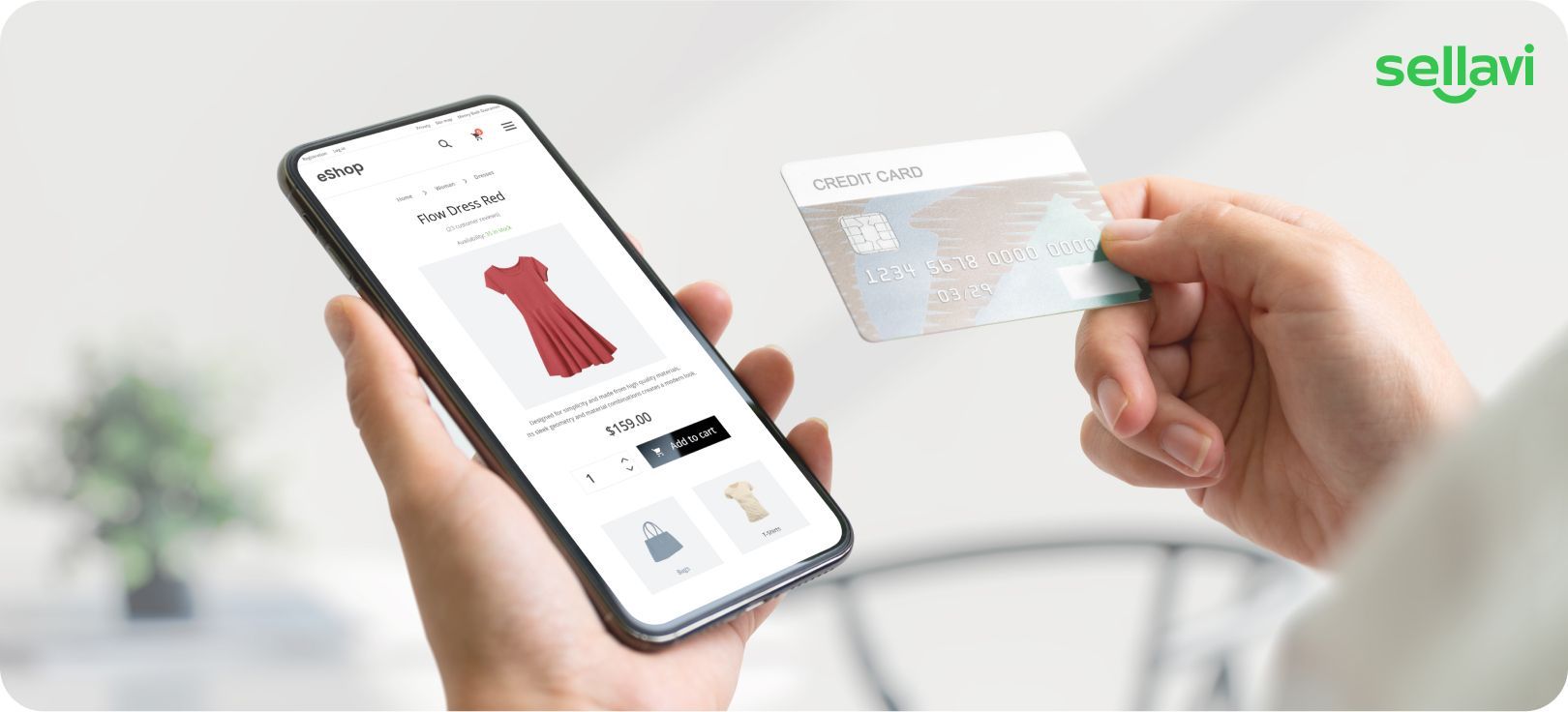
With over 80% of online purchases made via mobile devices, responsiveness is key. Every element — from navigation to checkout — should work seamlessly on smartphones and tablets. Sellavi automatically generates a mobile version of your store, ensuring customers enjoy a perfect shopping experience anywhere.
Enable registration and favorites collection
While you should allow guest checkouts, offering customers the ability to create accounts provides multiple benefits. It lets them track orders, save preferences, and receive personalized offers. “Favorites” or “Wishlist” features also encourage return visits and repeat sales.
Use call-to-action buttons
Strategically placed CTAs guide users through their journey. Use clear, action-driven phrases such as “Buy Now,” “Add to Cart,” “Subscribe for 10% Off,” or “Shop the Look.” These small but powerful buttons can dramatically improve conversions when designed and worded effectively.
Prepare for promotion
Even the most well-designed store needs visibility. Plan your marketing strategy in advance:
- Create social media accounts that reflect your brand’s tone.
- Develop content calendars for Instagram, Facebook, or TikTok.
- Implement email campaigns to nurture your leads.
- Collaborate with influencers who align with your niche.
Don’t forget about SEO
Search Engine Optimization remains one of the most sustainable ways to grow your online store. Optimize product descriptions, images, URLs, and metadata. Incorporate relevant keywords naturally, focus on long-tail search phrases, and build backlinks from reputable sources. SEO is a long game — but its returns are long-lasting.
Successful online seller’s checklist
Before launching, review this checklist to ensure your e-commerce store is fully ready for success:
- Is my hosting reliable and fast?
- Is my domain name registered and easy to remember?
- Is the website intuitive and mobile-friendly?
- Are the product descriptions clear and SEO-optimized?
- Do I use high-quality images and logical product categorization?
- Is the checkout process quick and transparent?
- Are multiple payment options available?
- Are delivery and return policies easy to find?
- Can customers leave reviews and testimonials?
- Do I have a content and marketing plan ready?
- Is my site connected to social media platforms?
- Do I have analytics and tracking tools installed?
If your answer to most of these questions is “yes,” you’re ready to start selling.
And remember — the easiest way to bring all of this together is with Sellavi. The platform provides everything you need: ready-made templates, secure payments, SEO tools, and professional support. Create your online store today and test it for free for 14 days — with Sellavi, success is only a few clicks away.