Market demand: 101 guide for e-commerce success

The world of e-commerce is constantly changing. Having a brilliant product idea is exhilarating, but is there a market for it? Before diving headfirst, take a crucial step: understand market demand in your niche. It's the foundation for smart choices, impacting everything from the products you sell and how much you charge to who you target with your marketing and how you manage your stock.
So, what exactly is market demand, and how can entrepreneurs unlock its secrets to fuel their e-commerce success?
START SELLING
ON SELLAVI
Understanding market demand
What is market demand?
Market demand, in its core essence, represents the total quantity of a specific good or service that all consumers within a delineated market are willing and able to purchase at a given price point and within a specific timeframe. Imagine a concert hall bustling with potential customers. Each individual signifies a potential buyer, and their willingness to pay for a specific ticket (product) at a certain price creates the overall market demand.
Market demand is dynamic and subject to change over time. Seasonal trends, economic shifts, natural disasters, and even global events like pandemics can influence these fluctuations, causing the demand curve to shift.
When demand for a product rises, the quantity purchased increases, often resulting in higher retail prices. Conversely, when demand falls, prices typically decrease. The balance of supply and demand is in constant motion in any competitive market.
Why is market demand important?
Market demand is all about your target audience — their buying habits, what influences their choices, and how much they'd be willing to spend. By determining demand, you'll gain a clear picture of your product's potential before you invest heavily. Neglecting market demand can lead to costly mistakes, particularly in product development.
Overinvesting in products without sufficient demand results in unsold inventory, eating into profits and occupying valuable warehouse space. This scenario can cripple a new business. On the flip side, underestimating demand can be equally damaging. Imagine stockouts frustrating potential customers who can't buy your product. You miss the chance to convert them into loyal fans, hindering your long-term growth.
Understanding market demand helps align supply with customer needs and seize growth opportunities within the economy.
What is the difference between individual and market demand?
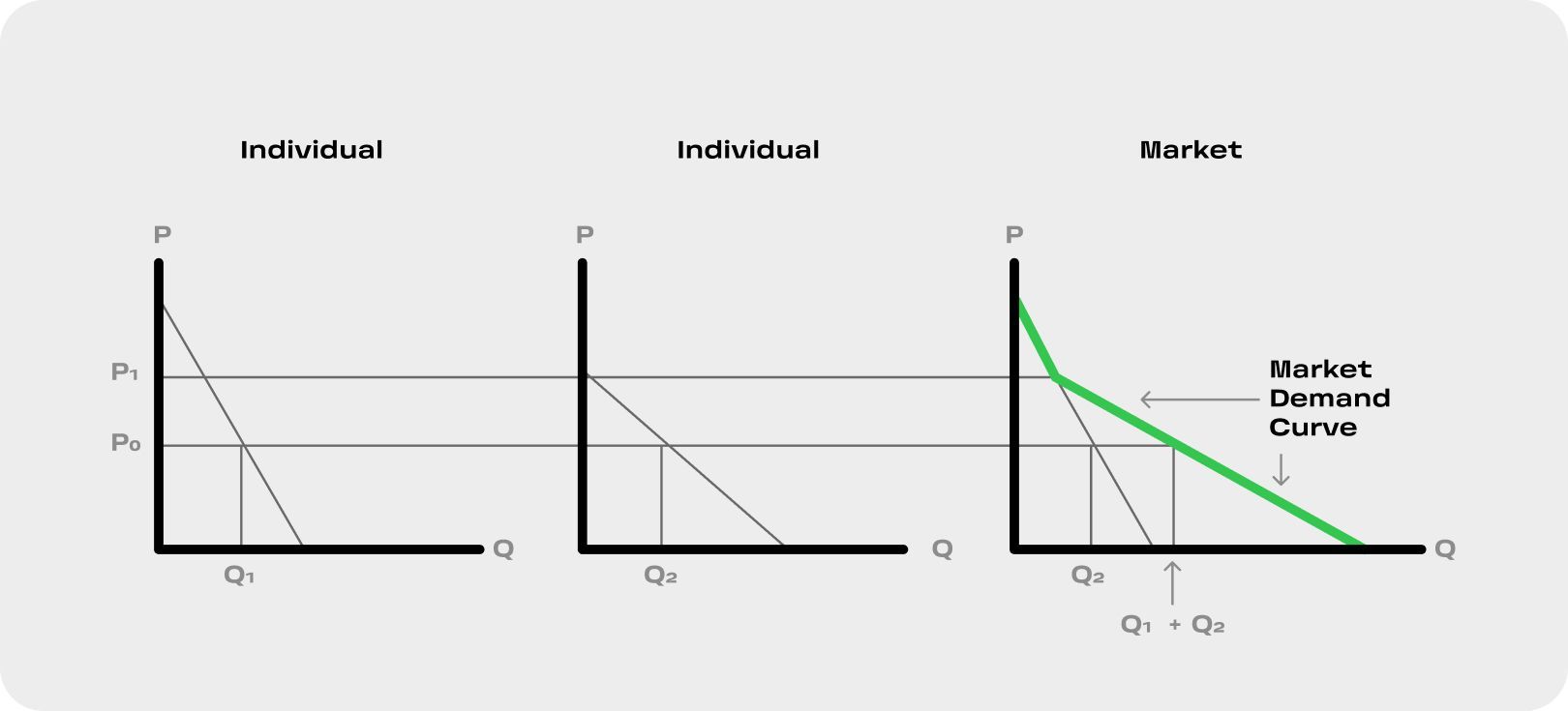
Individual demand pertains to the purchasing habits of a single person or household, whereas market demand aggregates the buying trends of a larger group. For instance, a dog lover might spend more on pet products, but this doesn't necessarily represent the broader market trend. Accurate market research requires surveying a diverse sample to avoid biased data and potential financial losses.
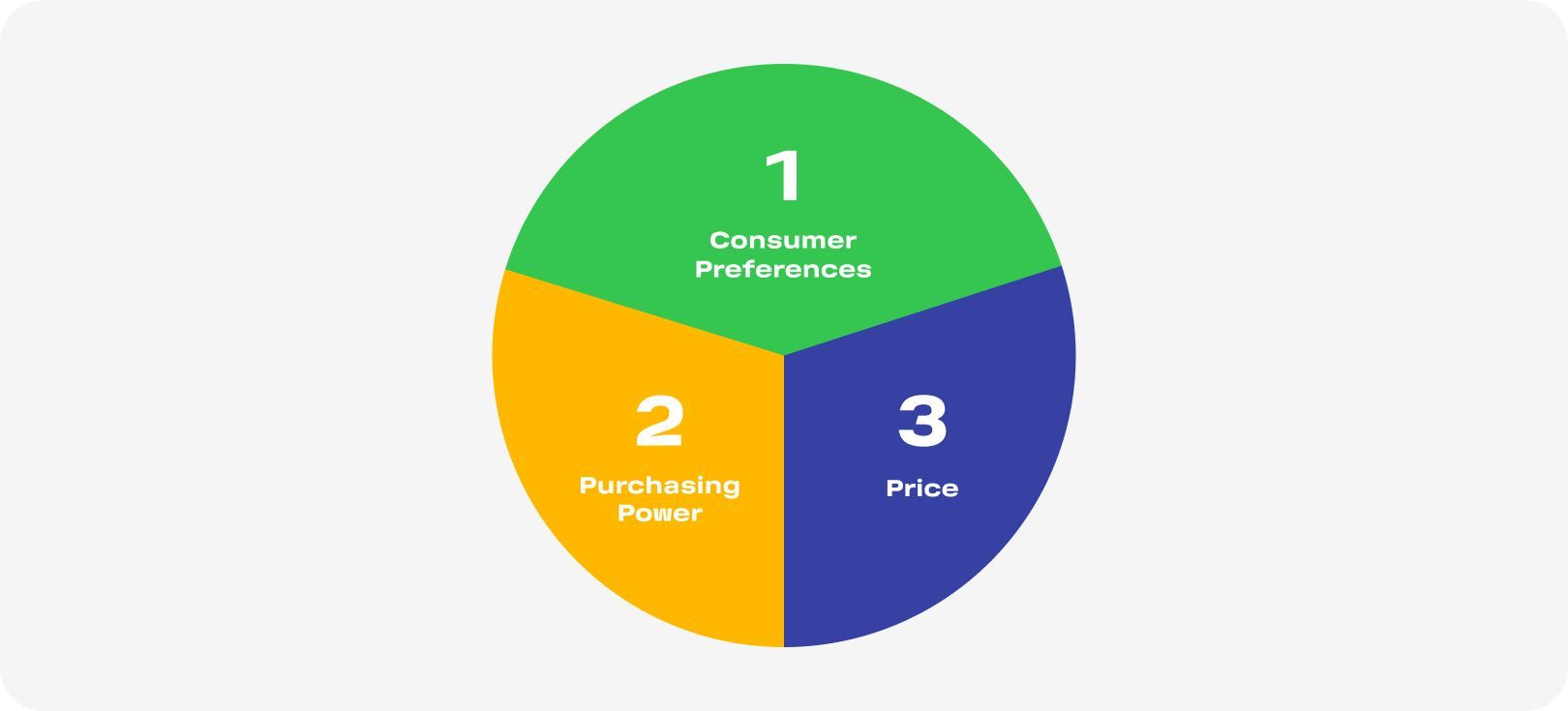
What are the key elements of market demand?
- Consumer preferences: What truly drives consumer behavior? Evolving trends, shifting demographics, and changing lifestyles all influence consumer desires. Understanding these yearnings is paramount for identifying products that resonate with your target audience. Think about the rapid rise of fidget spinners a few years ago, or the explosion of athleisure wear as comfort became a top priority.
- Purchasing power: Can potential customers afford your product or service? Factors such as income levels, prevailing economic conditions, and access to credit all play a crucial role in determining a consumer's ability to purchase. Targeting a luxury watch brand to a student audience might not yield optimal results.
- Price: This acts as the fulcrum, balancing consumer willingness to pay against the seller's cost of production and desired profit margin. Generally, as the price ascends, demand tends to exhibit a downward trajectory. Imagine a concert ticket priced at $1,000 – while some ardent fans might be willing to pay this premium, the overall demand would likely be considerably lower compared to a $50 ticket.
Techniques for market demand identification
So, how do you strategically identify market demand and ensure your offerings align seamlessly with consumer desires? Here are several key strategies that extend beyond simply scrutinizing sales figures:
1. Market research
This forms the cornerstone of comprehending market demand: utilize a blend of quantitative and qualitative research methodologies.
Quantitative methods, such as surveys and polls, gather data on buying habits and preferences. Qualitative methods, like focus groups and in-depth interviews, provide deeper insights into consumer motivations and underlying pain points.
Simple example: while conducting focus groups with busy office workers – you might uncover a strong demand for meal-kit delivery services.

2. Analyzing existing data
Leverage industry reports, e-commerce trend analyses, and competitor research to gain valuable insights. Tools like Google Trends can reveal search volume for different products or keywords, providing clues about consumer interest. Look for rising search terms or identify gaps in offerings by analyzing your competitors – this could be your opportunity to shine.
3. Tracking social media conversations
Social media platforms offer a real-time window into consumer behavior. Utilize social listening tools to track brand mentions, product discussions, and trending topics related to your niche. This can help you identify potential demand for specific products or services, like a surge in interest for eco-conscious clothing brands.

4. Leveraging online marketplaces
Existing online marketplaces like Amazon or eBay provide a treasure trove of data on product popularity, selling prices, and customer reviews. By analyzing these insights, you can identify gaps in the market and cater to unmet consumer needs.
For example, you might discover a lack of high-quality phone cases for a specific phone model on a major marketplace – this could be your niche.
5. Conducting A/B testing
This allows you to compare different versions of product descriptions, pricing strategies, and marketing campaigns. A/B testing helps you understand how consumers react to different variations, ultimately revealing what resonates most and influences purchasing decisions.
Test different product descriptions, highlighting different features or benefits, to see which drives more sales.

Mastering market demand
While pinpointing the exact quantity of desired products remains an elusive endeavor, certain techniques can help estimate market demand. This estimation often involves historical sales data, industry trends, and competitor analysis. However, it's crucial to approach calculations with a cautious lens for several reasons:
- External factors: Market demand is inherently fluid and can be significantly influenced by unforeseen events like economic downturns, natural disasters, or even social media trends. Remember the surge in demand for home office equipment during the pandemic? This highlights the ever-changing nature of market needs.
- Consumer behavior: Predicting individual behavior is notoriously challenging. While data can offer trends, individual choices remain unpredictable. A customer might be swayed by a positive influencer review or a sudden craving for a specific product, defying traditional demand calculations.
- Competition: The presence of competitors offering similar products or services can significantly impact market demand. New entrants or aggressive marketing campaigns by existing competitors can alter consumer behavior and disrupt demand forecasts.
Therefore, successful e-commerce entrepreneurs focus on more than just the raw numbers. They cultivate an agile and responsive approach, constantly monitoring market trends and consumer sentiment. This enables them to adapt their product offerings, pricing strategies, and marketing campaigns in real time to remain aligned with the ever-evolving landscape of market demand.

Here are some additional insights for leveraging market demand for e-commerce success:
Niche specialization
By focusing on a well-defined niche, you can cater to a specific audience with targeted products and messaging. This allows you to build brand loyalty and become a go-to source for your niche market. Imagine an online store specializing in sustainable activewear for the eco-conscious fitness enthusiast.
Innovation and product development
Don't be afraid to experiment and introduce innovative products or services that address unmet consumer needs. Analyze feedback from your target audience and remain open to new ideas. This could involve creating unique product variations, offering personalized subscription boxes, or developing loyalty programs.
Data-driven decision-making
While acknowledging the limitations of pure calculation, leverage data insights to inform your strategic decisions. Track metrics such as website traffic, conversion rates, and customer engagement to understand what resonates with your audience and refine your approach accordingly. Data analysis helps you optimize your online store layout, product placement, and marketing campaigns.
By mastering the art of market demand, you can unlock the true potential of your e-commerce business. Remember, it's a dynamic dance, a constant pursuit of understanding your ideal customer and their evolving needs. Embrace a culture of learning, agility, and responsiveness, and your online store will be well-positioned to navigate the ever-shifting currents of the digital marketplace.