Reputation management: how to craft a strong online reputation

It's no secret that a company's reputation is one of its most crucial assets. Positive reviews and comments can foster a favorable perception of your brand, boosting customer trust and loyalty. Conversely, just a few negative reviews or a viral social media mishap can swiftly tarnish your brand's image.
As your brand grows, its reputation often precedes it. This is where effective reputation management becomes essential. By actively monitoring your online presence, addressing negative feedback, and highlighting the positive aspects of your business, you can shape public perception and build a strong, positive brand image.
START SELLING
ON SELLAVI
What is reputation management?
Reputation management is the proactive process of safeguarding and enhancing a company's online image. It includes a strategic approach to monitoring, analyzing, and managing online conversations, reviews, and mentions related to the brand or the online store.
At its core, reputation management aims to protect a brand's reputation from harm and to promote positive perceptions among stakeholders, including customers, investors, and industry peers. This involves a combination of defensive and offensive strategies.
On the defensive side, reputation management involves identifying and mitigating potential brand reputation threats. This might include monitoring social media for negative comments, addressing customer complaints promptly, and responding to crises effectively.
On the offensive side, reputation management involves proactively promoting positive aspects of the brand. This might involve creating and sharing high-quality content, encouraging positive customer reviews, and building relationships with influencers and industry experts.
In essence, reputation management is about controlling the narrative surrounding a brand and ensuring that it aligns with the company's desired image. It is a critical aspect of modern business, particularly in the digital age where online reputation can significantly impact a company's success.

Benefits of reputation management
Improved customer trust
Positive online reviews and a strong reputation can foster trust among potential customers. When people see that others have had positive experiences with a brand, they are more likely to trust that brand themselves. This trust can lead to increased customer loyalty, repeat business, and ultimately, higher sales.
Enhanced search engine rankings
Online reviews can directly impact a company's search engine rankings. Search engines like Google often prioritize businesses with positive reviews and a strong online reputation. This means that businesses with a positive online presence are more likely to appear higher in search results, making it easier for potential customers to find them.
Crisis management
Reputation management is essential for effective crisis management. When a crisis occurs, a strong reputation can help mitigate the damage and limit negative publicity. By having a well-thought-out reputation management plan in place, businesses can respond quickly and effectively to crises, protecting their brand and maintaining customer trust.
Competitive advantage
A strong reputation can give a business a significant competitive advantage. In today's market, where consumers have more choices than ever before, a positive reputation can differentiate a brand from its competitors. Customers are more likely to choose a brand they trust and respect, even if it means paying a premium price.

Creating a reputation management strategy
A well-crafted reputation management strategy is essential for safeguarding and enhancing a brand's online image. Here are key steps to consider:
Monitor your online presence
The first step in effective reputation management is to stay informed about what people are saying about your brand online. Utilize social media listening tools and online review platforms to track mentions of your brand, products, or services. This will help you identify potential issues early on and respond proactively.
Survey your customers regularly
Gain valuable insights into customer satisfaction and identify areas for improvement by conducting regular customer surveys. This data can help you tailor your products or services to meet their needs and address any concerns.
Respond to feedback
Promptly and professionally address both positive and negative feedback. Thank customers for their positive reviews and offer to help resolve any negative experiences. A timely and empathetic response can demonstrate your commitment to customer satisfaction helping to foster positive sentiment and strengthen your brand's reputation.
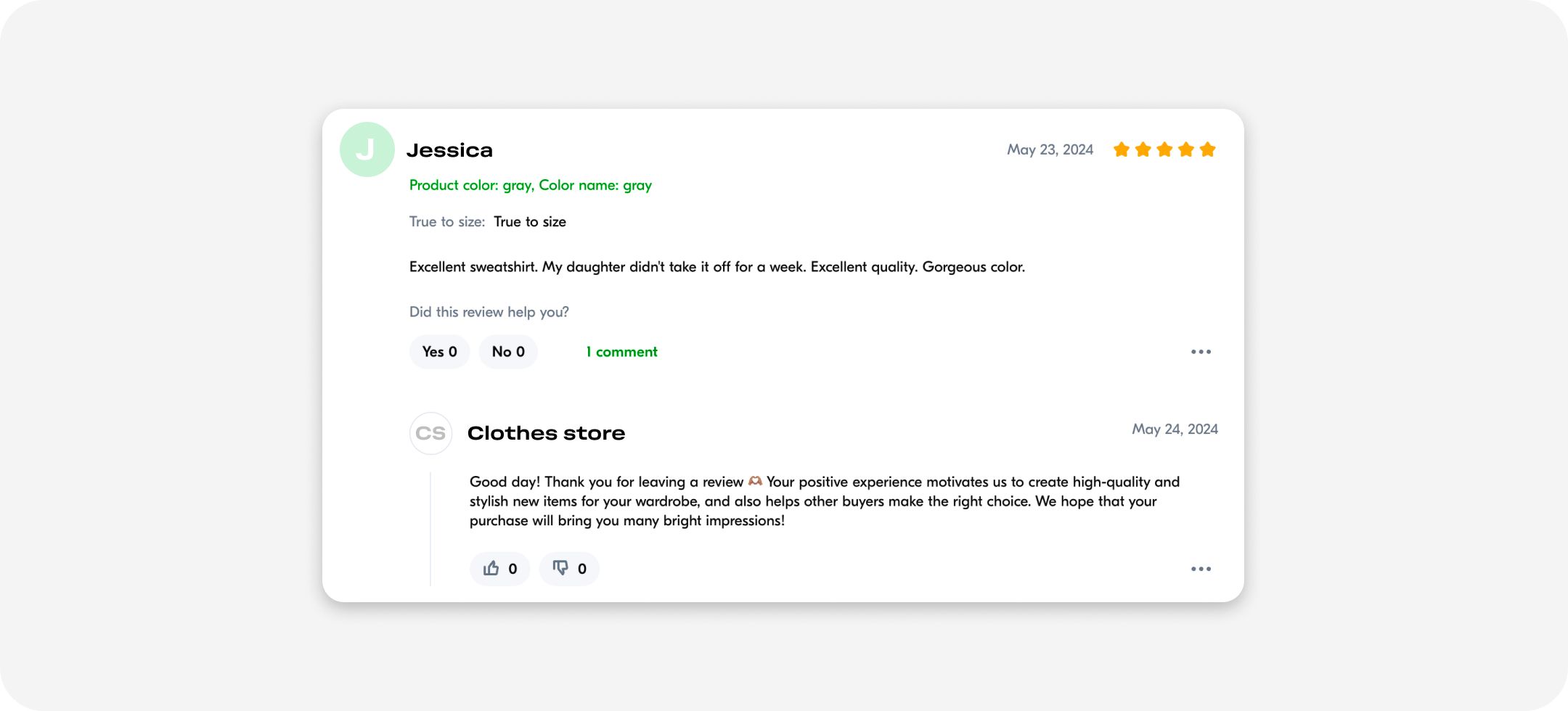
Build positive reviews
Encourage satisfied customers to leave reviews on your e-commerce website and third-party review platforms. Positive reviews can significantly boost your brand's reputation and attract new customers. Consider offering incentives or rewards for customers who leave reviews.
Align your brand with positive causes
Supporting positive causes can enhance your brand's reputation and attract like-minded customers. Consider sponsoring charitable events or donating to relevant organizations.
Develop public relations for positive press coverage
Cultivate relationships with media outlets and industry influencers to secure positive press coverage. This can help increase brand visibility and credibility.
Work with ambassadors and influencers
Partner with individuals who align with your brand values to promote your products or services. Brand ambassadors and influencers can help reach a wider audience and build trust with potential customers.

Address negative reviews
Negative reviews can be challenging, but it's important to respond to them promptly and empathetically. Acknowledge the customer's concerns, apologize for any negative experiences, and offer to resolve the issue. A well-handled negative review can actually strengthen your brand's reputation by demonstrating your commitment to customer satisfaction.
Develop a plan for crisis communication
Create a crisis communication plan to address potential negative events. This will help you respond quickly and effectively to crises, minimizing damage to your brand's reputation.
Create high-quality content
Publish valuable and informative content on your website and social media. This can help establish your brand as an authority in your industry and attract new customers. Consider creating blog posts, articles, videos, or infographics that provide valuable information to your target audience.

A strong online reputation is a long way
Effective reputation management is essential for businesses of all sizes. By actively monitoring your online presence, addressing negative feedback, highlighting the positive aspects of your business, etc., you can shape public perception and build a strong, positive brand image.
Remember, reputation management is an ongoing process that requires consistent effort and attention. By following the strategies outlined in this article, you can create a robust online reputation that will benefit your business for years to come.