Understanding brand identity: 6 essential elements

In today’s highly competitive marketplace, the world’s most admired brands — from Apple and Nike to Dove and many others — stand out not simply because of what they sell, but because of who they are. These companies offer products similar to thousands of others in the same niche, yet their presence feels unmistakably unique. Their brand identity is so distinct, so deeply rooted, and so consistently communicated that it stays in the minds of consumers long after a product is purchased. To understand how such influence is built, we must explore the deeper layers of what makes a brand identity truly powerful.
START SELLING
ON SELLAVI
What is brand identity?
Brand identity is the collection of visual, verbal, and emotional elements that represent your business. It’s the combination of your logo, color palette, typography, voice, and tone — the cohesive language your brand uses to express itself. For businesses that sell physical products, brand identity also materializes through packaging design, unboxing experiences, and even the textures and materials customers associate with your brand.
Just like a person’s identity reflects their personality, worldview, and unique traits, brand identity defines the essence of a business. It is intentionally crafted through the branding process — an ongoing effort that requires thoughtful decisions about aesthetics, communication style, and customer experience. Every color chosen, every font selected, and every sentence written plays a role in shaping how your audience understands and connects with your brand.
Brand identity vs. Brand perception
Brand identity is who you say you are.
Brand perception is who customers believe you are.
While brand identity forms the foundation of how you want to be seen, brand perception reflects how customers actually perceive you. These two concepts work together but are not interchangeable. You may design a brand identity that communicates sophistication, friendliness, or innovation, but the true brand emerges only when customers respond to it. Their experiences, expectations, interactions, and emotions determine your brand’s reality. Ultimately, brand identity is what you control — brand perception is what you earn.
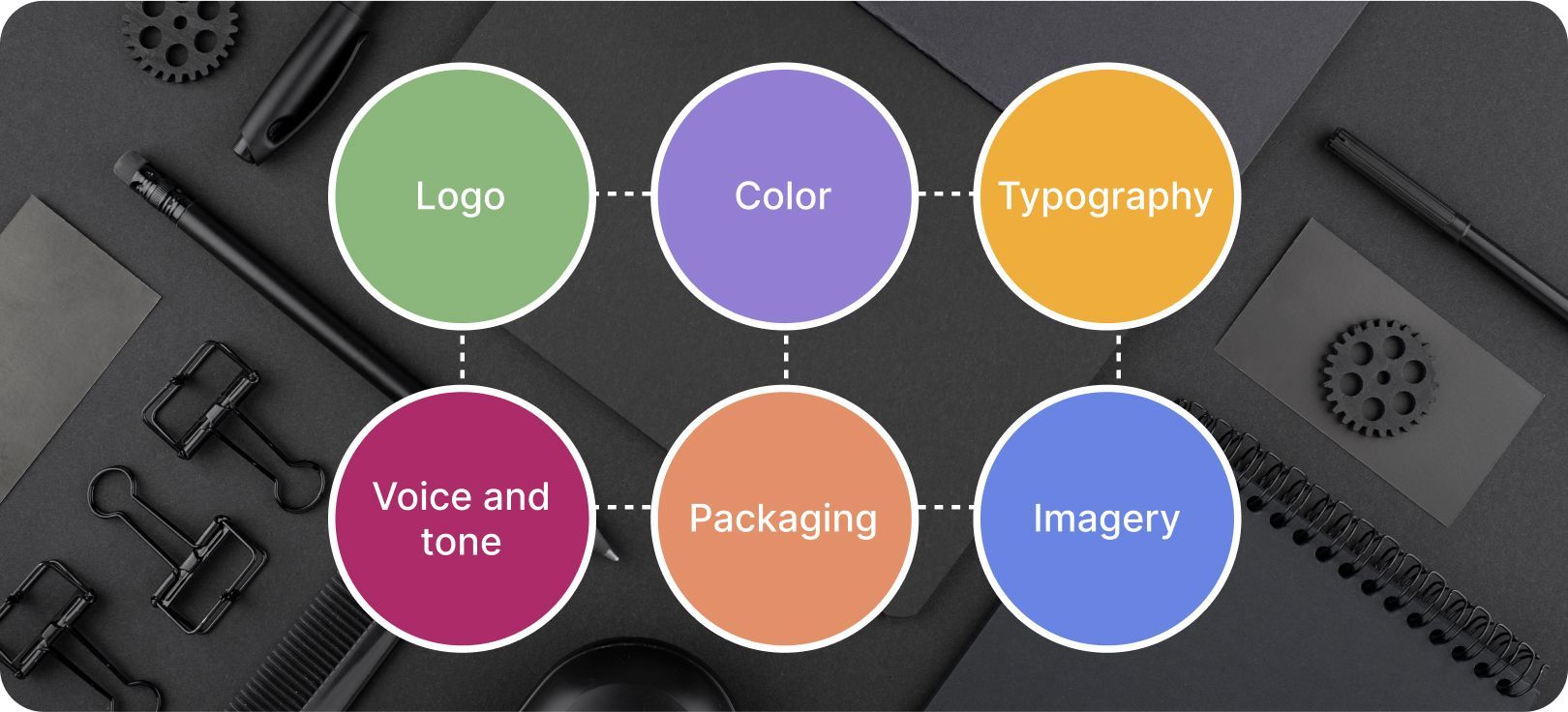
6 main elements of brand identity
When we break down brand identity into its core components, we discover six interconnected elements that influence how customers recognize and interpret a brand. Although visual identity often gets the most attention, the deeper layers — such as voice, values, and emotional resonance — are equally essential in building long-term loyalty.
Logo: The pinnacle of visual identity
A logo is the most immediate symbol of your brand — a distilled visual expression that transcends language and cultural differences. The best logos communicate meaning in an instant while remaining simple, timeless, and adaptable across all platforms. Whether you choose an abstract symbol, a wordmark, or a combination of both, your logo becomes a visual anchor that customers associate with your values, product quality, and personality.
If you’re building an online store, a memorable logo becomes even more important, since it often appears in multiple digital touchpoints — website headers, product pages, checkout screens, emails, and social media.
Color scheme: A visual symphony
Color psychology plays a significant role in shaping how customers feel about your brand. Each color carries emotional significance — red conveys passion and urgency, orange radiates optimism, green communicates sustainability, and blue evokes trust and stability. A carefully curated palette ensures your brand feels cohesive across all digital and offline materials.
Beyond aesthetics, your color choices influence purchasing behavior and help your brand stand out in crowded marketplaces. A color scheme is not just a design choice — it is a strategic tool that helps build recognition and emotional connection.
Typography: The language of design
Typography is an underrated but highly influential element of brand identity. The fonts you choose tell a story long before your audience reads a single word. Sleek sans-serif fonts communicate modernity and innovation, serif fonts convey tradition and reliability, while playful scripts add character and warmth.
A well-defined typographic system ensures consistency across all communication channels. Limiting your brand to one or two primary typefaces preserves clarity and strengthens recognition, especially in e-commerce where product descriptions, emails, and ads must look clean and trustworthy.
Voice and tone: Echoes of personality
If your visual identity forms the appearance of your brand, voice and tone represent its personality. These verbal elements determine how your brand “speaks” to the audience — whether it sounds friendly, authoritative, humorous, luxurious, or minimalist. While voice remains constant over time, tone adapts depending on the context. For example, a brand may use an upbeat tone on social media but adopt a calmer, more empathetic tone when addressing customer concerns.
A strong verbal identity ensures that customers experience the same personality whether they read your website, packaging copy, customer emails, or product descriptions.
Packaging: Beyond the box
For online stores, packaging is a rare physical touchpoint — one of the few moments customers tangibly interact with your brand. This makes it an invaluable part of your brand identity. Quality packaging elevates the perceived value of your products, enhances the unboxing experience, and embeds your aesthetic into the customer’s memory.
Everything from the texture of the materials to the layout of labels contributes to brand storytelling. Packaging can express sustainability, luxury, minimalism, creativity, or tradition — depending on the vision behind your brand.
Imagery: Capturing the essence
Photography, videography, illustrations, and icons form the imagery ecosystem of your brand. These visual elements define how your products are presented and how your brand feels at first glance. Consistent imagery creates mood, emotion, and recognition. For example, a skincare brand may emphasize natural ingredients through botanical photography, while a tech company may use sleek, futuristic visuals to communicate innovation.
Imagery is one of the strongest tools for shaping perception because customers often interpret visuals more quickly than text.
Together, these six elements form a dynamic identity system that allows your brand to communicate clearly, consistently, and meaningfully. When they work in harmony, your brand becomes instantly recognizable and emotionally memorable.
How to craft a strong brand identity
Building a compelling brand identity requires time, strategy, and intentional creativity. It is not simply about creating a logo or choosing colors — it’s about shaping an entire experience that resonates with your audience and represents who you are.
The first step is defining what your brand stands for. Every successful brand begins with clarity around its mission, vision, values, and target audience. These foundational elements guide your decisions and ensure that your brand identity aligns with your core purpose. Without this clarity, even the most beautifully designed identity will lack authenticity and direction.
Choosing a suitable brand name comes next. A strong name is memorable, meaningful, and aligned with your brand’s promise. It must resonate with your ideal customers, be legally and digitally available, and have the potential for long-term growth. The naming process may involve brainstorming, linguistic analysis, competitor research, and audience testing — all essential to selecting a name that carries your brand confidently into the future.
Once your foundation is clear, you can embark on the branding process. This includes creating your visual identity, defining your communication style, and outlining the personality your brand will express across all touchpoints. This stage requires thoughtful decision-making, as every choice influences how your brand will be perceived.
Testing your brand identity with your audience is crucial. Feedback from real customers or focus groups provides insights into whether your brand resonates as intended. Their reactions can reveal whether your visual identity feels trustworthy, whether your tone feels relatable, and whether your brand as a whole creates the right emotional impact.
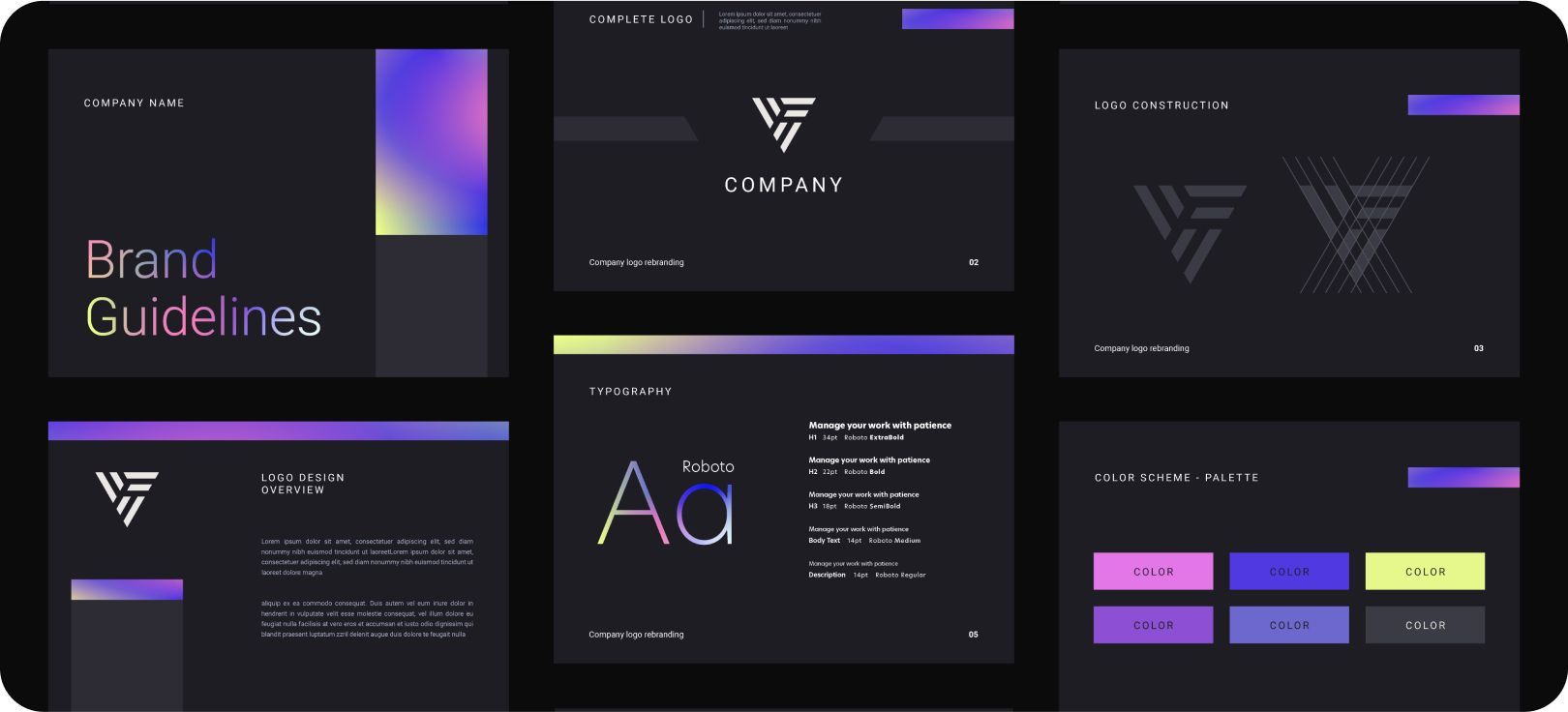
Finally, documenting your brand guidelines ensures consistency as your business grows. A well-structured brand guide includes rules for logo usage, colors, typography, imagery, voice, tone, and messaging principles. This document becomes a reference point for your team, designers, and partners — ensuring that every piece of communication aligns with your brand identity.

By following these steps thoughtfully, your brand identity will evolve into a strong, authentic, and memorable force that supports your business growth and helps you stand out in a competitive space.
The Sellavi team is ready to help you ensure your online store reflects your brand identity in the strongest way possible. Request a design on demand, share your vision with our experts, and let us turn your ideas into a powerful digital presence that gives you shivers — guaranteed.